




The Rain Shadow Secret
The destination is the Spiti Valley, a remote and starkly beautiful region in the state of Himachal Pradesh. Its secret lies in a simple geographic quirk: it’s located in a rain shadow. While the rest of the Indian subcontinent is drenched by monsoon
clouds from June to September, the towering Himalayan ranges to the south act as a colossal barrier, blocking the moisture from ever reaching Spiti. The result is a cold desert climate with clear, sunny skies and minimal rainfall, making it one of the few places in India that are not just accessible but are actually at their prime during the monsoon season. While roads in other parts of the mountains might be closed due to landslides, the routes into Spiti are typically open, offering a rare window for adventure travel.
A Landscape from Another World
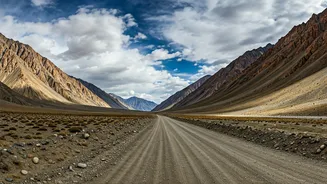
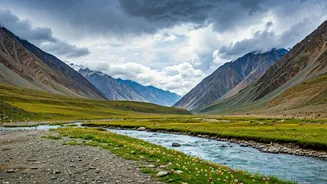
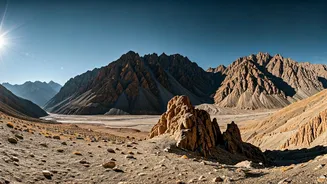
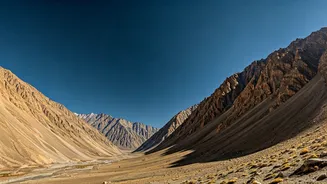
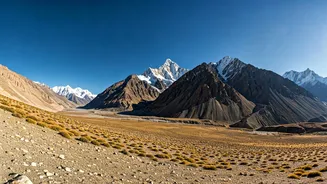
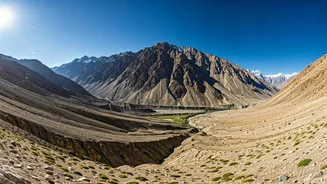
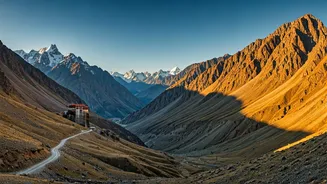
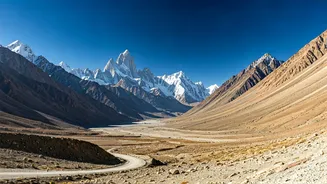
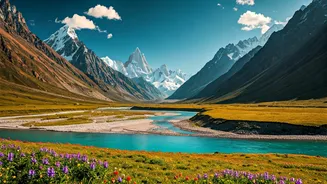
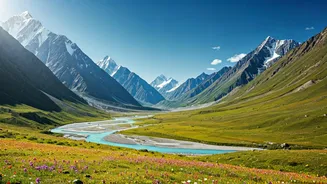
Forget the lush, green hills you associate with mountain getaways. Arriving in Spiti is like landing on another planet. The landscape is a dramatic tapestry of barren, multi-hued mountains, deep gorges carved by the turquoise Spiti River, and vast, empty plains under an impossibly blue sky. The air is thin, crisp, and clean. Dotted across this lunar-like terrain are tiny, whitewashed villages and ancient Buddhist monasteries that seem to cling precariously to cliffsides. This isn't just a place; it's an atmosphere. The profound silence, broken only by the wind or the flutter of prayer flags, offers a sense of peace and isolation that’s increasingly hard to find in the modern world. The culture is predominantly Tibetan Buddhist, and the warmth of the local Spitian people provides a gentle contrast to the harshness of their environment.
Monasteries, Stargazing, and High-Altitude Lakes
Despite its remoteness, Spiti is rich with cultural and natural wonders. The Key Monastery, perched on a hilltop overlooking the valley, is one of the region's most iconic sights—a sprawling complex of rooms and corridors that feels like a medieval fortress. Further on, Tabo Monastery, a UNESCO World Heritage site, is known as the 'Ajanta of the Himalayas' for its stunning, preserved murals and mud-brick structures dating back to 996 AD. For nature lovers, a trip to Chandratal, the 'Moon Lake,' is essential. This crescent-shaped body of water, situated at over 14,000 feet, shifts in color from brilliant blue to emerald green throughout the day. And when night falls, the lack of pollution and high altitude make Spiti one of the best places on Earth for stargazing, with the Milky Way often visible to the naked eye.
The Journey Is the Destination
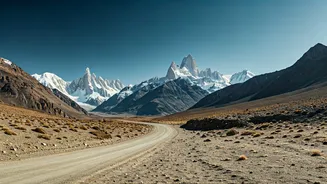
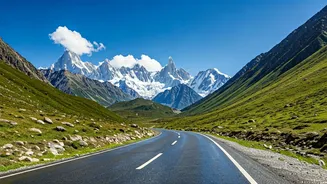
Getting to Spiti is an adventure in itself, and not for the faint of heart. There are two main routes. The first, from Manali, is shorter but involves crossing the high-altitude Rohtang Pass (or using the newer Atal Tunnel) and Kunzum Pass, which are only open for a few months a year. This route offers dramatic, hairpin-bend-filled drives but requires rapid acclimatization. The second, longer route begins in Shimla and follows the old Hindustan-Tibet highway through the Kinnaur Valley. This path allows for a more gradual ascent, which is easier on the body and helps prevent altitude sickness—a very real concern here. Whichever path you choose, expect rough roads, long travel days, and basic accommodations. This isn't a luxury vacation; it's a rugged expedition. But for those willing to embrace the journey, the reward is access to one of the most pristine and unforgettable landscapes on the planet.