




1. Master the Meal Plan
The single most effective tool in your budget-eating arsenal isn't a coupon—it's a plan. Before you even think about stepping into a grocery store, know what you'll be eating for the week. This isn't about being rigid; it's about being intentional. Start
by 'shopping' your own pantry and freezer. What do you already have? A can of black beans, half a bag of frozen corn, and some rice can become the base for burrito bowls. Planning around existing inventory prevents food waste and cuts your shopping list down to essentials. Write it down, stick it on your fridge, and commit to the list. Impulse buys are the number one enemy of a food budget.
2. Embrace 'Boring' Ingredients
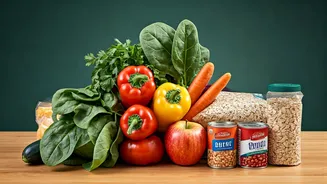
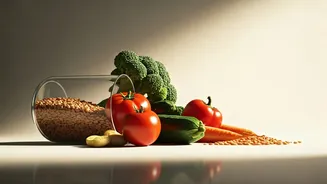
The center aisles of the grocery store, often dismissed as processed-food territory, hold some of the most nutritionally dense and affordable foods available. We're talking about dried beans, lentils, brown rice, oats, and canned goods. A one-pound bag of dried lentils can provide the protein base for multiple meals for the price of a single fancy coffee. Canned tomatoes are the foundation of countless sauces and stews. Canned fish like tuna and salmon offer affordable omega-3s. The key is to see these items not as boring, but as blank canvases for flavor. With spices, herbs, and a little creativity, these humble staples become powerhouse meals.
3. Make Your Freezer a Time Capsule
Your freezer is more than a storage unit for ice cream and forgotten leftovers; it's a tool for preserving value. Frozen fruits and vegetables are a game-changer. They are picked and frozen at peak ripeness, locking in nutrients that can be superior to fresh produce that has traveled for days. They are available year-round at a consistent price, and you can use exactly what you need, eliminating waste. Beyond produce, the freezer is your ally in batch cooking. When you make a big pot of chili, soup, or pasta sauce, double the recipe and freeze half. This creates a 'bank' of homemade, healthy 'fast food' for busy nights when you might otherwise be tempted to order expensive takeout.
4. Rethink Your Protein
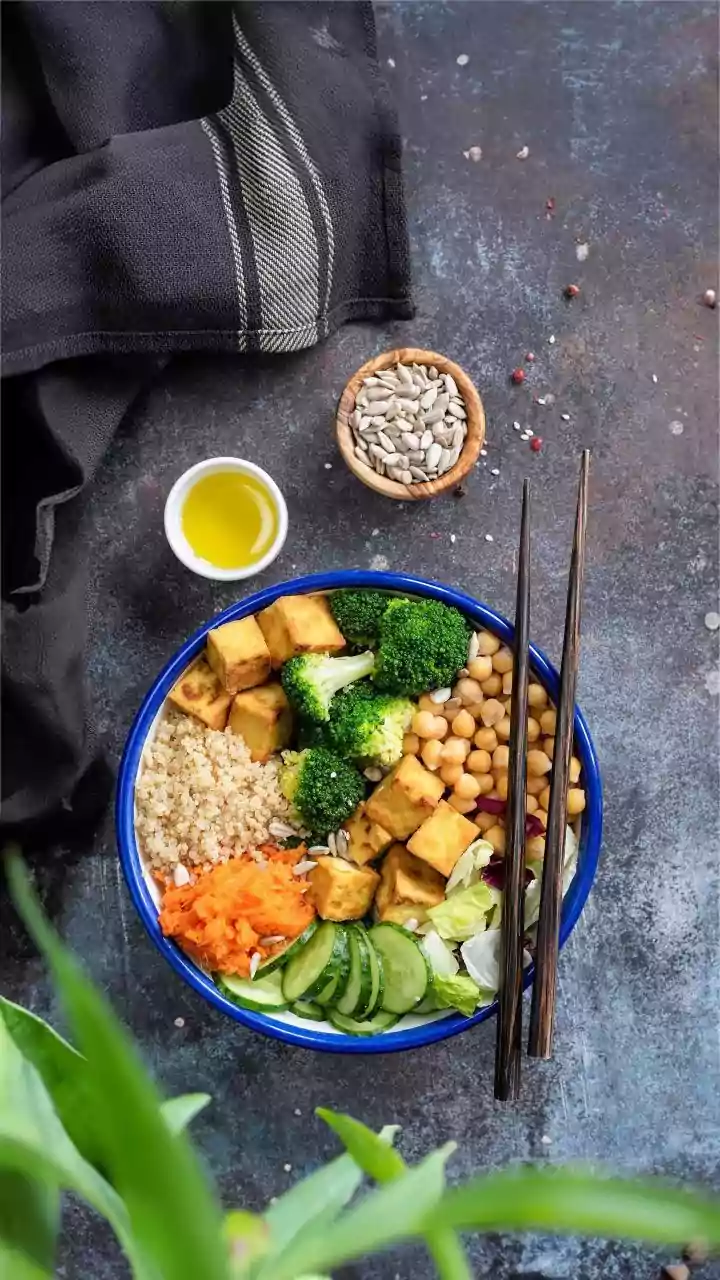
Protein is often the most expensive component of a meal, but it doesn't have to be. While high-quality meat has its place, it shouldn't be the default centerpiece of every dinner. Learn to love plant-based proteins like chickpeas, tofu, and edamame. They are incredibly versatile and significantly cheaper per serving. When you do buy meat, treat it as a flavor enhancer rather than the main event. A small amount of sausage can season a whole pot of lentil soup. Shredded chicken can be stretched across multiple salads or tacos. And don't forget eggs. As a complete protein source, they are arguably one of the best nutritional bargains in the entire grocery store.
5. Learn the Art of 'Ugly' Cooking
Food waste is wasted money, plain and simple. Get into the habit of using everything. That slightly wilted celery, the bendy carrots, and the onion ends? They are perfect for making a flavorful vegetable stock you can freeze and use later. The stems from broccoli and kale are delicious when chopped finely and sautéed. Leftover rice can be transformed into fried rice the next day. Stale bread becomes croutons or breadcrumbs. Adopting a 'waste not, want not' mentality forces you to become a more creative and resourceful cook, stretching your grocery dollar further than you ever thought possible.
6. Shop Strategically, Not Emotionally
Never shop hungry. It's the oldest rule in the book for a reason. Beyond that, become a student of your local grocery store. Learn the sales cycles. Buy produce that's in season—it's almost always cheaper and tastes better. Pay attention to the unit price (the cost per ounce, pound, or item) on the shelf tag, not just the sticker price; a larger container is often cheaper in the long run. And don't be a brand snob. Store brands for staple items like canned goods, pasta, and spices are often identical to their name-brand counterparts but cost significantly less.