





1. The Upgraded Veggie Burger
The humble veggie burger has undergone a seismic transformation. Gone are the days of a dry, crumbly patty being the only meat-free option. The revolution is two-fold. First, food science gave us the hyper-realistic burgers from Impossible Foods and Beyond
Meat, which sizzle, 'bleed,' and satisfy even devoted carnivores. These have become standard fare at chains like Burger King and countless local diners. Second, chefs have elevated the house-made veggie burger into an art form, using ingredients like mushrooms, walnuts, black beans, and beets to create patties that are celebrated for their unique, savory flavors—not for how well they imitate meat. These aren't just substitutes; they're destinations.
2. The Rise of the Power Bowl
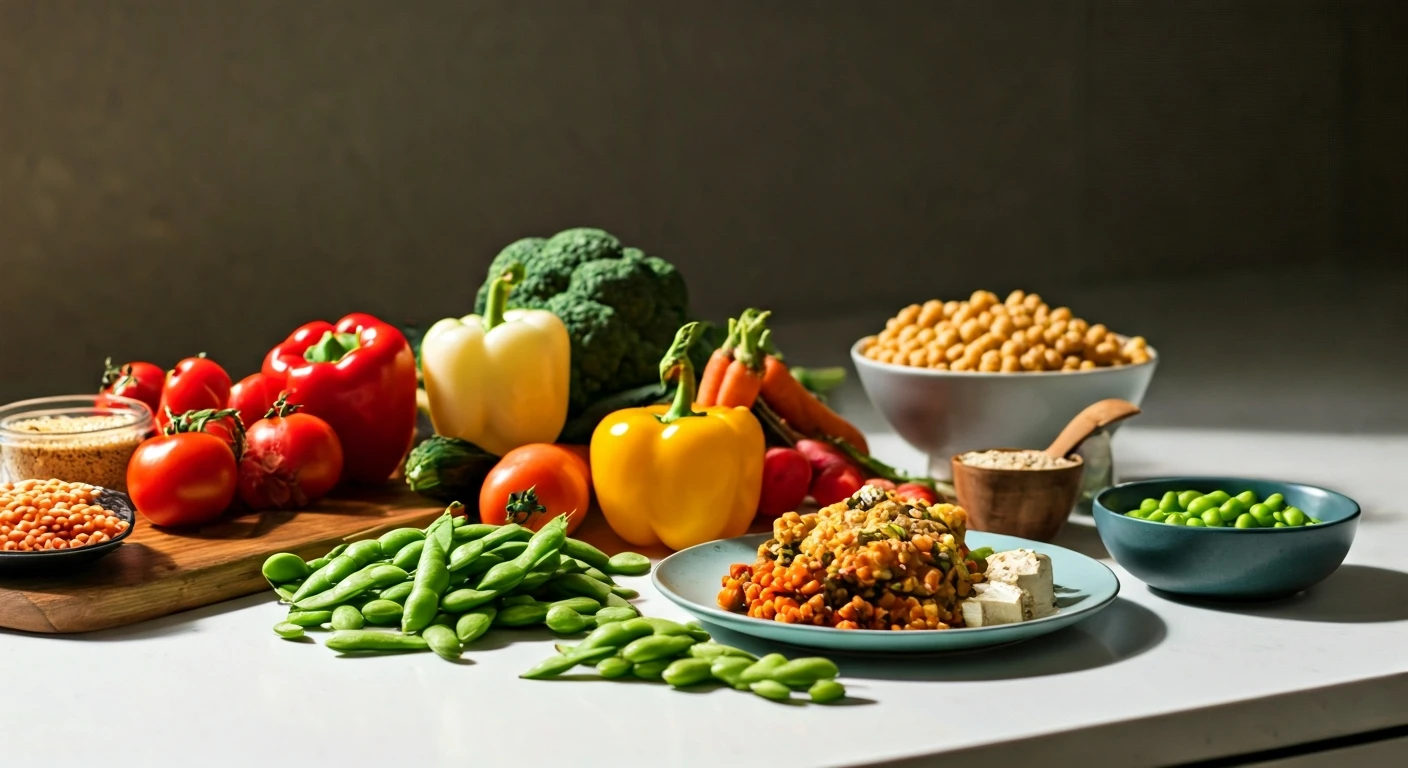
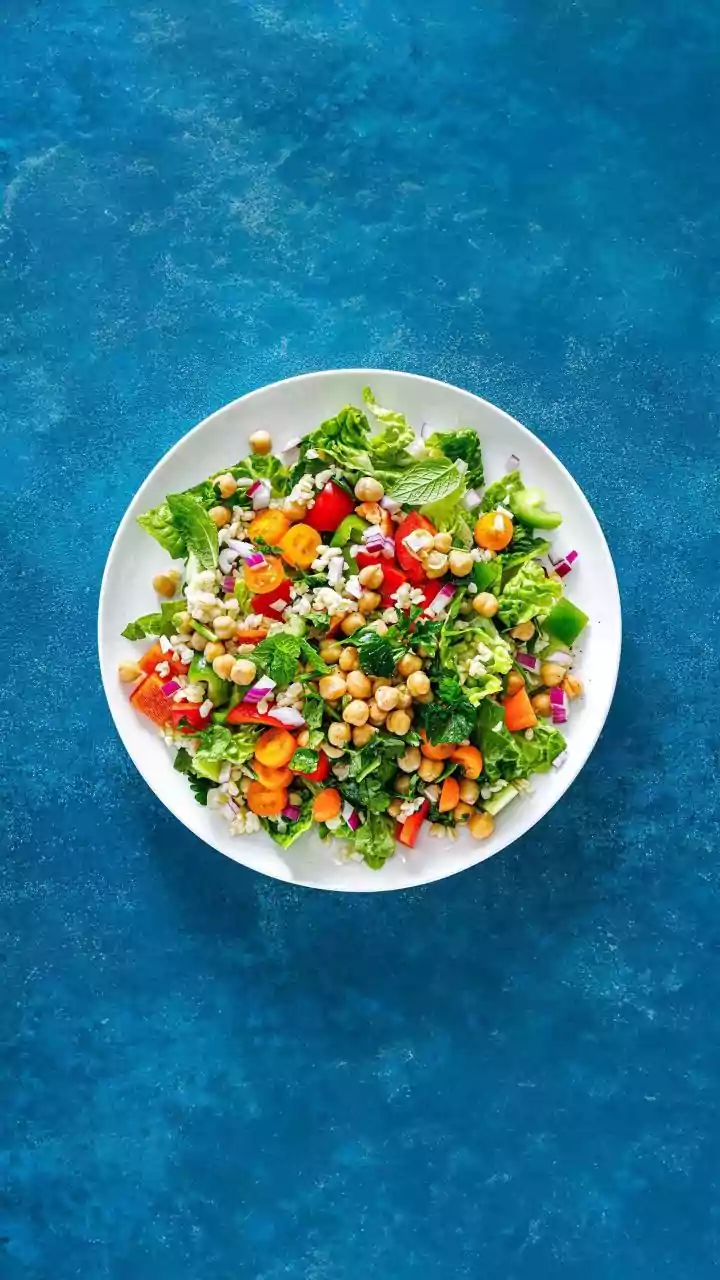
Perhaps no meal format better represents the mainstreaming of veg-protein than the “power bowl.” Whether it’s a burrito bowl, a grain bowl, or a poke bowl with tofu, this endlessly customizable meal is a perfect protein-delivery system. The formula is simple: start with a high-protein base like quinoa or brown rice. Add a primary protein source like chickpeas, black beans, baked tofu, or edamame. Then, load it up with colorful vegetables, healthy fats like avocado, and a flavorful sauce. Restaurants love them for their efficiency, and consumers love them because they offer a feeling of control, health, and hearty satisfaction without the heaviness of a traditional meat-and-potatoes plate.
3. Lentils Get a Major Glow-Up
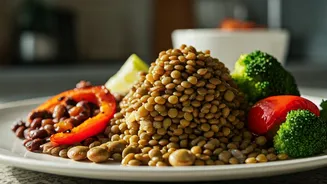
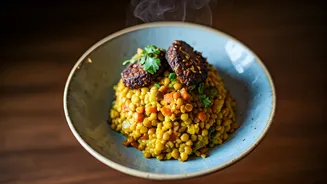
Lentils, long the humble workhorse of vegetarian kitchens, are finally getting their moment in the spotlight. Packed with protein and fiber, they’re incredibly versatile and inexpensive. While lentil soup has always been a classic, we're now seeing lentils used in far more creative ways. They are being transformed into hearty “meatballs” for pasta, forming the base of rich bolognese-style sauces, and starring in warm, spiced salads alongside roasted vegetables and feta. Indian dal, a staple for millions, is also gaining wider appreciation in the U.S. as a deeply flavorful and nourishing dish. Lentils prove that a satisfying, protein-rich meal doesn't require high-tech ingredients, just a little culinary imagination.
4. Tofu and Tempeh Are Finally Cool
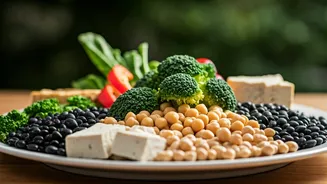
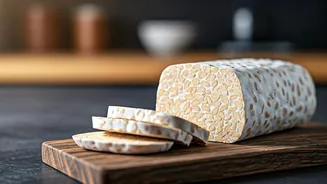
For decades, tofu was the butt of jokes—a pale, wobbly block synonymous with bland health food. Not anymore. A new generation has learned how to treat it right. Thanks to cooking shows, TikTok tutorials, and innovative chefs, home cooks now know the secrets: press it well, marinate it with bold flavors, and cook it for texture. Crispy, air-fried tofu cubes, savory tofu scrambles that rival eggs, and pan-seared slabs in a sticky glaze are now common kitchen staples. Its cousin, tempeh—a fermented soybean cake with a firmer, nuttier profile—is also gaining traction as a fantastic base for everything from spicy “bacon” strips to hearty sandwiches.
5. Pasta, Powered by Plants
The pasta aisle used to be a simple affair. Now, it’s a showcase of plant-based protein innovation. Pastas made from chickpeas, red lentils, edamame, or black beans are lining supermarket shelves, offering a massive protein boost compared to their traditional wheat-based counterparts. A single serving of chickpea pasta, for example, can pack over 20 grams of protein. This has been a game-changer for families and individuals looking to add more protein to a quick, easy meal. It allows a simple dish of pasta with marinara sauce to transform from a carb-heavy indulgence into a balanced, protein-forward dinner without any extra effort.