




An Ever-Changing Gallery
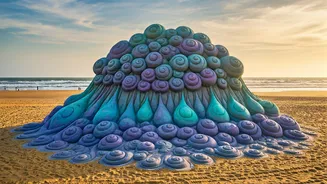
Picture this: a sprawling sculpture of a goddess, her form rendered in tons of sand, adorned with vibrant-colored powder. Nearby, a massive, intricate peacock unfurls its tail, each feather detailed with painstaking precision. This isn't a permanent museum
exhibit; it's a temporary gallery on the shores of the Bay of Bengal, particularly on beaches like Puri in the state of Odisha. Here, the canvas is the beach itself, and the sculptures are built with the knowledge—and even the intention—that they will eventually be reclaimed by the wind and waves. This fleeting nature is part of their magic. They exist for a moment, capturing a feeling or a festival, before disappearing back into the landscape that inspired them. For American travelers accustomed to boardwalks and beach towels, it’s a stunning reminder that a beach can be a place of active, communal creation and celebration.
The Man Behind the Sand
While sand art is an ancient tradition, its modern, monumental form in India is largely synonymous with one name: Sudarsan Pattnaik. An internationally acclaimed artist, Pattnaik has elevated sand sculpture from a seaside hobby into a powerful medium for public expression. Growing up in poverty near Puri beach, he began creating art with the only material he had access to—sand. Today, he holds multiple Guinness World Records and has won prestigious awards for his creations, which have been displayed at competitions and festivals around the globe. Pattnaik doesn't just create beautiful objects; he sees his art as a vehicle for communication. He and the students from his art institute tackle themes ranging from world peace and climate change to celebrating cultural holidays and, of course, welcoming the monsoon.
Why the Monsoon is a Celebration
For many in the United States, a monsoon might conjure images of relentless, dreary downpours. But in India, the monsoon is a season of profound relief and jubilation. After months of oppressive summer heat that can parch the land and bring life to a standstill, the first rains are a blessing. The monsoon rejuvenates rivers, nourishes the agricultural lands that feed over a billion people, and brings a lush, green vibrancy back to the landscape. It's a season of renewal that is deeply embedded in the country's cultural and spiritual psyche. Festivals are held in its honor, special foods are enjoyed, and poetry has been written for centuries about the smell of the first rain hitting the dry earth. These sand sculptures are a physical manifestation of that collective joy and gratitude—a massive, public thank you note to nature.
A Canvas for a Cause
Pattnaik and other artists often use the high visibility of their beachside creations to broadcast important messages. A sculpture welcoming the monsoon might also incorporate a plea to conserve water or a warning against polluting the oceans that are so vital to the region. During the COVID-19 pandemic, his sculptures urged people to wear masks and honored frontline workers. On World Environment Day, his art often depicts the planet in peril, urging onlookers to take action. This dual purpose—celebration and social commentary—is what makes the art form so compelling. It draws people in with its scale and beauty, then delivers a message that lingers long after the image of the sculpture has faded. It’s public art in its most democratic form: free to view, accessible to all, and speaking to the issues of the day on a canvas that belongs to everyone.