



Why Airflow is Your Balcony's Best Friend
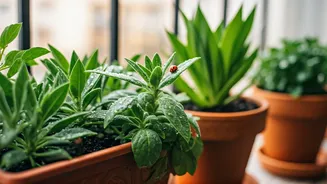
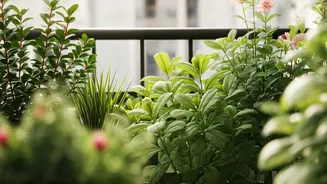
Imagine your balcony as a tiny, unique ecosystem. It might be sheltered by walls, creating pockets of still, humid air. Or it could be a wind tunnel 10 stories up. For your plants, proper air circulation is non-negotiable. Good airflow acts as a natural
defense system, whisking away excess moisture from leaves after you water or after a rain shower. This is crucial because damp, stagnant conditions are a breeding ground for common fungal diseases like powdery mildew and black spot. These ailments can quickly turn a lush green plant into a sad, spotted mess. Furthermore, a gentle breeze helps strengthen stems, encouraging sturdier growth that can better withstand the elements. Without it, you're not just risking disease; you're creating a weaker, more vulnerable garden.
Simple Ways to Boost Circulation
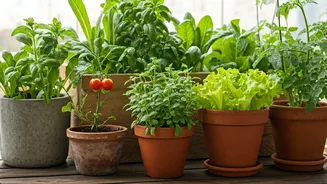
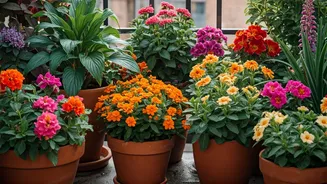
Improving airflow doesn't require installing a fan. It’s all about smart placement and spacing. First, resist the urge to overcrowd. While a dense jungle looks great, cramming too many pots together chokes off air movement. Give each plant enough room so its leaves aren’t constantly touching its neighbors. A few inches of space can make a world of difference. Second, elevate your pots. Using 'pot feet' or placing containers on small stands lifts them off the ground, allowing air to circulate underneath and preventing water from pooling at the base, which can lead to root rot. If your balcony is enclosed or heavily sheltered, consider arranging plants in a way that creates channels for air to move through, rather than a solid wall of foliage. Choosing slatted shelving units instead of solid ones can also significantly enhance ventilation.
The Power of a Good Prune
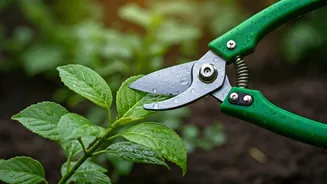
Pruning can feel intimidating, like you might harm your beloved plant. But think of it as a strategic haircut that promotes health and vitality. For balcony gardens, pruning serves three key purposes. First and foremost, it directly improves airflow. By trimming away dense interior branches and overgrown leaves, you open up the plant’s structure, allowing air to move freely through the foliage. This connects directly back to preventing disease. Second, pruning removes dead, damaged, or diseased sections. This not only makes the plant look better but also stops problems from spreading and redirects the plant’s energy toward producing healthy new leaves and flowers. Finally, regular trimming encourages bushier, more compact growth—ideal for containers where you want fullness without unruly sprawl. For herbs like basil and mint, it’s the secret to a continuous, season-long harvest.
Pruning Basics for Balcony Gardeners
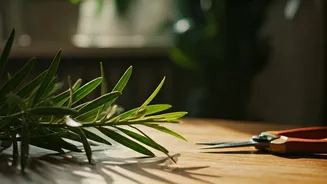
You don’t need a collection of complex tools. A clean, sharp pair of small pruning shears or even sturdy scissors will do for most balcony tasks. The key is to know what to cut. Start by 'deadheading'—snipping off spent flowers from annuals like petunias and geraniums. This encourages the plant to produce more blooms instead of putting energy into making seeds. For herbs, regularly pinch back the top sets of leaves to promote a fuller shape and prevent them from getting 'leggy.' If you spot any yellowing leaves or brittle, dead stems, trim them off at their base. When thinning out a dense plant, focus on stems in the center of the pot that are crossing over each other or blocking light and air. Make clean cuts just above a leaf node (the point where a leaf grows from the stem) to stimulate new growth from that point. A little trim every week or two is far more effective than one massive haircut mid-season.