




Redefining Home Comfort
True home comfort is more than just the number on the thermostat. It’s the absence of annoyances you’ve probably learned to live with. It’s a living room without a mysterious draft, a bedroom that stays cool on a summer night, and a second floor that isn’t
ten degrees hotter than the first. Comfort is stability. When we talk about an energy-efficient home, we’re really talking about a well-controlled environment where the temperature is even, the humidity is managed, and the air is still. This isn't achieved by constantly fiddling with the thermostat; it's the result of a home that works smarter, not harder, to maintain a pleasant state. Efficiency upgrades are the key to unlocking this effortless comfort, turning your house from a space you inhabit into a system that actively cares for you.
The Foundation: Sealing and Insulation
Before you invest in any high-tech gadget, the smartest move is to focus on the home’s envelope. Think of your house like a thermos. A good one keeps hot things hot and cold things cold for hours. A cheap, leaky one fails quickly. Air sealing and insulation are what make your home a high-performance thermos. Air sealing involves finding and closing the tiny cracks and gaps around windows, doors, pipes, and electrical outlets that allow conditioned air to escape and outside air to creep in. This single step dramatically reduces drafts. Insulation, the unsung hero of home comfort, provides the thermal barrier. Proper insulation in the attic, walls, and crawl spaces keeps heat where you want it—inside during the winter and outside during the summer. The result is a home that holds its temperature for longer, requiring the HVAC system to run less often and eliminating those frustrating hot and cold spots.
Smarter Systems for Effortless Control
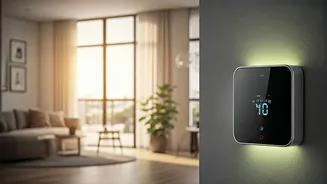
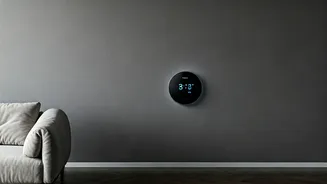
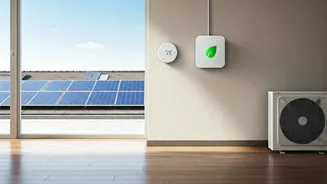
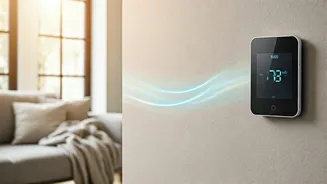
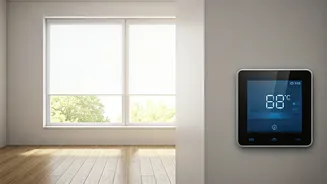
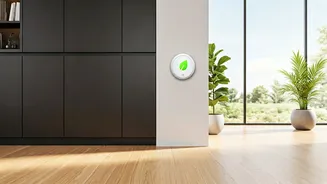
Once the home’s envelope is secure, technology can elevate comfort to the next level. A modern, high-efficiency HVAC system is far superior to older models, using variable-speed motors to provide more consistent heating and cooling, which also helps control humidity. But the brain of the operation is the smart thermostat. These devices do more than just follow a simple schedule. They learn your household’s patterns, adjust for outdoor weather conditions, and can be controlled from your phone. This means you can warm the house up on your way home from work or ensure the temperature stays perfect overnight without waking up. This level of automated, responsive control is what makes a home feel truly 'smart.' It anticipates your needs, saves energy without you thinking about it, and delivers precise comfort on demand.
A Clear View of Comfort
Windows are essentially holes in your home’s insulation. Older, single-pane windows are notorious for energy loss and discomfort. In winter, the cold glass sucks warmth out of the room, creating a chilly zone nearby. In summer, they let in solar heat, forcing your AC to work overtime. Upgrading to modern, double- or triple-pane windows with low-emissivity (Low-E) coatings is a game-changer. These windows are designed to reflect heat back to its source—keeping heat inside in the winter and outside in the summer. They significantly reduce drafts, cut down on street noise, and block damaging UV rays that can fade your furniture and flooring. The difference is palpable; you can comfortably sit next to a window on a freezing day without feeling a chill.