

The Ultimate One-Pot Wonder
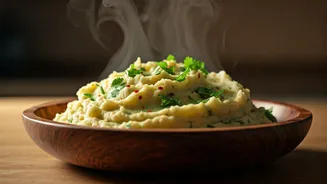
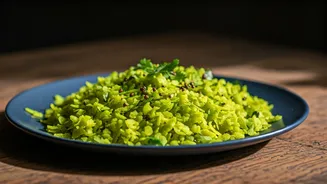
At its core, khichdi (pronounced KITCH-ree) is deceptively simple: rice and lentils cooked together in a single pot until they break down into a soft, porridge-like consistency. If you’re thinking of a savory risotto or a thicker Chinese congee, you’re in the right
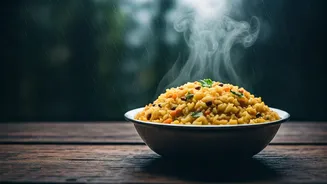
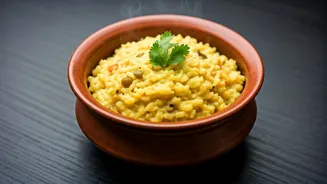
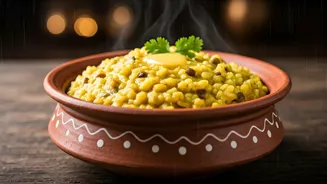
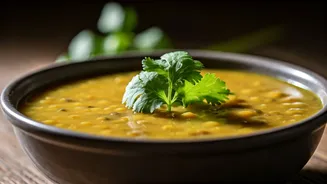
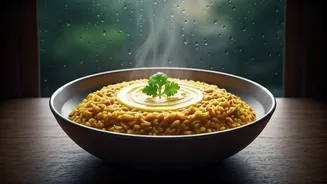
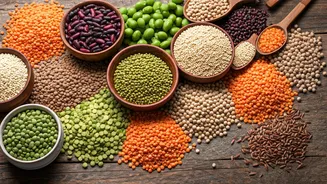
ballpark. But that simplicity is its genius. It’s a blank canvas, a foundational dish that exists in a thousand different forms across India, from the spartan meal of an ascetic to the centerpiece of a festive lunch. The base is almost always rice and some form of split lentil (dal), typically moong dal, which is known for being easy to digest. They’re simmered in water or broth with a pinch of turmeric—giving the dish its signature sunny-yellow hue—and salt. From there, the possibilities are endless. Some versions are thin and soupy, others thick and spoonable. What never changes is the feeling it evokes: warmth, nourishment, and a deep sense of well-being.
Why the Monsoon?
To understand khichdi’s heroic status, you have to understand the monsoon. It’s not just a bit of rain. It’s a season of dramatic, sky-opening downpours that can last for days, turning roads into rivers and trapping you indoors. The air is heavy with humidity, the skies are a perpetual slate gray, and a certain damp chill seeps into everything. During this time, the body craves food that is warm, light, and easy to make without a trip to the market. Khichdi is the perfect answer. It’s a pantry meal, requiring just a few staple ingredients. Its one-pot nature means minimal fuss and cleanup—a blessing when the weather makes you feel lethargic. Most importantly, it’s deeply warming. A hot bowl of khichdi feels like a culinary hug, chasing away the dampness and gloom of a rainy afternoon. The gentle spices, often just turmeric and perhaps a bit of ginger, are soothing rather than overwhelming, perfectly matching the subdued mood of the season.
A Dish for Sickness and Health
Long before “gut health” became a wellness trend, Indian households relied on khichdi. In Ayurveda, the ancient Indian system of medicine, it’s considered a perfect food for balancing the body, easy to digest and deeply restorative. It’s the first solid food given to babies and the go-to meal for anyone recovering from an illness. When your system feels compromised, a simple, unadorned khichdi is prescribed to reset and heal. This reputation as a convalescent food only strengthens its association with comfort. It’s the dish someone makes for you when you’re not feeling well, an edible act of care. That emotional weight is inseparable from the taste. It’s India’s equivalent of chicken noodle soup—a meal that nourishes both the body and the soul, steeped in memories of being looked after.
Dressed Up or Dressed Down
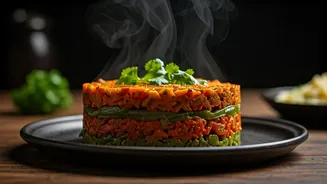
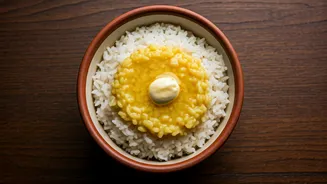
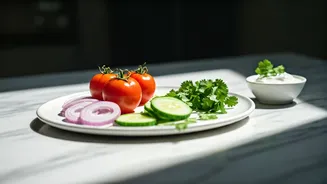
While the basic, restorative version is its most famous form, khichdi is no one-trick pony. When it’s not being a medicinal meal, it can be dressed up into a rich and complex dish. A tempering of hot ghee (clarified butter) infused with cumin seeds, mustard seeds, and asafoetida—a technique called a *tarka* or *tadka*—is often sizzled and poured over the top right before serving, adding a jolt of aroma and flavor. Vegetables like peas, potatoes, and cauliflower are often added to make it a more complete meal. In some regions, it’s made with millet or other grains instead of rice. It’s almost always served with a classic quartet of accompaniments: a dollop of plain yogurt to add a creamy tang, a spoonful of spicy, pungent pickle (*achar*) for a kick, a crisp, savory wafer (*papadum*) for crunch, and an extra drizzle of ghee for richness. This combination of textures and flavors—soft, tangy, spicy, and crunchy—turns a simple dish into a satisfying feast.