



The Gut-Friendly Fiber Factor
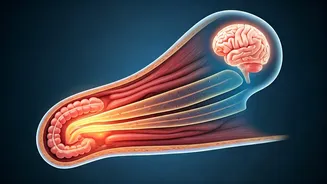
When we talk about “gut health,” we’re really talking about nurturing the trillions of microbes in our digestive system. Fava beans are exceptionally good at this job. They are loaded with soluble fiber, a type of dietary fiber that dissolves in water
to form a gel-like substance in your digestive tract. This isn't just filler; it’s a prebiotic, meaning it acts as food for the beneficial bacteria in your gut. A happy, well-fed microbiome is linked to improved digestion, reduced inflammation, and even a stronger immune system. Furthermore, this fiber helps promote regularity without being harsh on your system. By slowing digestion, it can also help stabilize blood sugar levels, preventing the sharp spikes and crashes that can leave you feeling drained.
A Plant-Based Protein Powerhouse
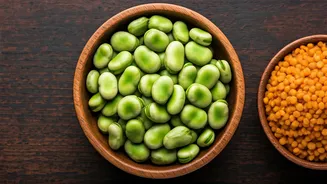
For anyone looking to boost their protein intake, especially from plant-based sources, fava beans are a game-changer. A single cup of cooked fava beans contains around 13 grams of protein, making them one of the most protein-dense legumes available. This protein is crucial for everything from building and repairing muscle tissue to producing enzymes and hormones. The high protein content, combined with its fiber, makes the fava bean incredibly satiating. Eating them can help you feel fuller for longer, which can be a significant benefit for weight management by helping to curb cravings and reduce overall calorie intake. This makes them an ideal addition to a meal, ensuring you stay energized and satisfied for hours.
More Than Just Macros
While the protein and fiber get most of the attention, fava beans are also a treasure trove of essential micronutrients. They are an excellent source of folate (vitamin B9), which is vital for DNA synthesis and cell growth, making it particularly important for pregnant women. They also deliver a substantial dose of manganese, a mineral that plays a key role in bone formation and metabolism. But the list doesn’t stop there. Fava beans provide significant amounts of copper, phosphorus, magnesium, and iron. This robust nutritional profile means that with every serving, you're not just getting protein and fiber; you're also supporting your body's complex systems, from energy production to antioxidant defense.
A Note on Preparation and Safety
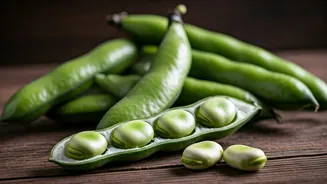
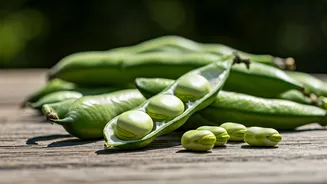
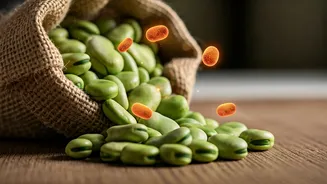
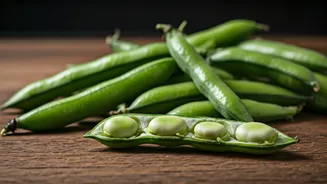
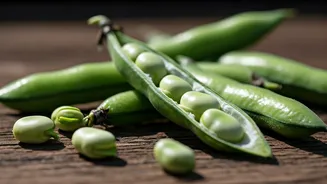
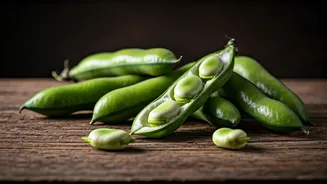
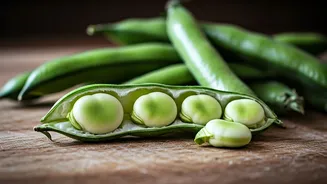
Fava beans require a little bit of know-how before you can enjoy them. They are almost always sold dried or canned, and if using dried beans, they must be soaked and thoroughly cooked before eating, as they are toxic when raw. Fresh fava beans come in a thick, fuzzy pod. You must first shell the beans from this large pod, and then many recipes call for blanching them to easily remove the waxy, whitish skin on each individual bean. It's also critical to be aware of a condition called favism. This is a genetic disorder (G6PD deficiency) that can cause a severe hemolytic reaction upon consuming fava beans. While rare, it's a serious condition, and individuals of Mediterranean or African descent are at a higher risk. If you have a known G6PD deficiency, you must avoid fava beans entirely.
Easy Ways to Eat More Favas
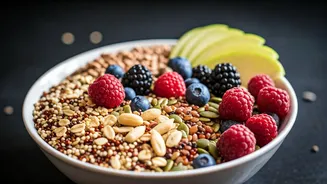
Ready to give them a try? Incorporating fava beans into your diet is easier than you think. One of the simplest methods is to make a bright, fresh fava bean dip. Just puree cooked and peeled beans with lemon juice, garlic, olive oil, and herbs like mint or parsley for a delicious alternative to hummus. They are also a fantastic addition to salads, providing a creamy texture and protein boost. Toss them with quinoa, chopped vegetables, and a light vinaigrette. For a heartier meal, stir them into pasta dishes, risottos, or hearty soups and stews, where they add substance and a wealth of nutrients. You can even roast them with a little olive oil and salt until crispy for a satisfying and healthy snack.