





A Natural Greenhouse Climate
First, let's talk about the weather. Chennai is defined by its tropical climate: consistently hot and relentlessly humid. While this might sound challenging for people, it’s a dream for many plants. The high humidity acts like a natural mister, keeping
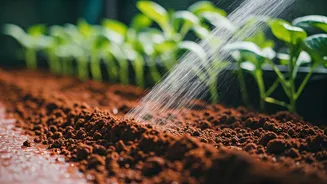
foliage lush and reducing the stress of water loss that herbs face in drier, sun-baked environments like those in Arizona or Southern California. This constant moisture in the air means plants like mint, basil, and many traditional Indian greens can flourish with less intensive watering. The balcony essentially becomes a semi-enclosed greenhouse, trapping humidity and creating a perfect microclimate. For American gardeners, the lesson is to embrace—or create—humidity. If you live in the South or Midwest, your humid summers are an asset. If not, grouping plants together and placing trays of water nearby can help replicate this beneficial effect.
The Culinary Connection
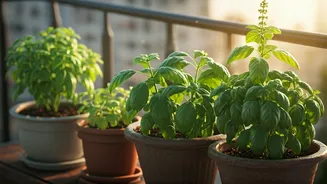
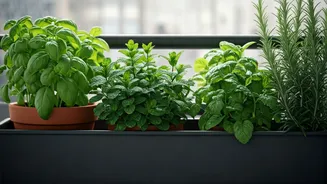
In South India, cooking is a daily ritual deeply connected to fresh ingredients. A trip to the market is common, but having essential herbs right outside the kitchen door is even better. This isn't gardening for aesthetics alone; it's gardening for flavor. The most popular balcony plants are the ones used in everyday dishes. Curry leaves (Karuveppilai) are essential, providing an irreplaceable aroma to countless recipes. Fresh coriander (cilantro), mint, and holy basil (tulsi), which is used for both culinary and medicinal teas, are also staples. This direct line from pot to pan ensures maximum freshness and potency. The takeaway for home gardeners everywhere is simple and profound: grow what you love to eat. Your herb garden will feel most rewarding when it's integrated into your daily life, whether you're snipping fresh basil for pasta or rosemary for roasted potatoes.
Harnessing Sun and Rain
Chennai’s location near the equator means the sun can be intense. But apartment balconies offer a unique advantage: built-in shade. Gardeners become experts at 'zone mapping' their small space, understanding which corner gets gentle morning sun and which gets blasted by the harsh afternoon light. Heat-loving plants like curry leaf trees can take the exposure, while more delicate herbs like mint are often tucked into shadier spots. Furthermore, the city experiences dramatic monsoon seasons. Chennai gardeners often use this period to their advantage, allowing the heavy rains to deeply water their plants, flush out salts from the soil, and spur a burst of growth. The lesson is to observe your own space like a hawk. Understand its specific light patterns throughout the day and year, and use your local rainfall as a resource, not an inconvenience.
Ingenuity in Small Spaces
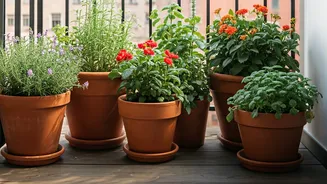
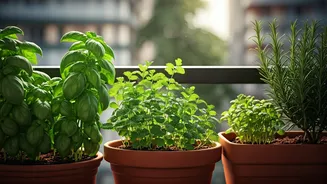
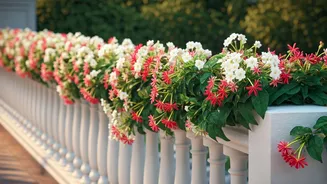
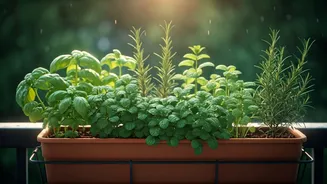
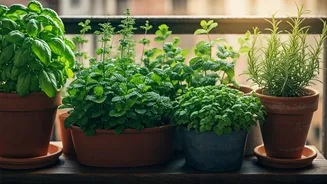
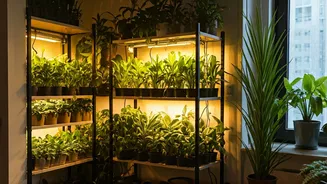
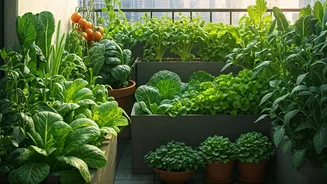
Urban living demands creativity, and Chennai's balcony gardeners are masters of maximizing every square inch. You won't find sprawling garden beds here. Instead, you'll see a clever mix of terracotta pots, repurposed paint buckets, hanging baskets, and railing planters. Vertical gardening is second nature, with climbers like Malabar spinach or passion fruit trained up trellises against a wall. This approach proves that a lack of floor space is not a barrier to a bountiful harvest. For anyone feeling constrained by a small patio or fire escape, the principle is to think up. Wall-mounted planters, tiered stands, and hanging pots can multiply your growing area without taking over your seating space. It’s about density and smart design, not sheer size.
Your Chennai-Inspired Starter Kit
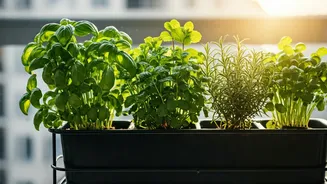
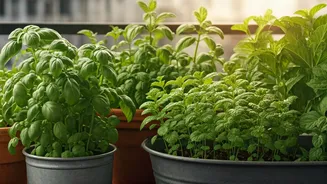
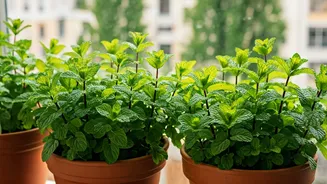
Inspired to bring a taste of Chennai to your own balcony? Start with herbs that love the conditions it offers: heat and humidity. Holy Basil (Tulsi) is a great choice; it's a cousin to the sweet basil used in Italian cooking but has a more complex, clove-like flavor. Mint is another must-have, thriving in moist conditions and perfect for teas and chutneys. Lemongrass is surprisingly easy to grow in a pot and adds an authentic Southeast Asian flavor to soups and marinades. Finally, while a curry leaf tree might be ambitious for beginners in colder climates, it can be grown in a large pot and brought indoors for the winter. These plants don't just provide flavor; they offer a connection to a vibrant gardening culture halfway across the world.