





A Direct Hit of Sunshine
Let’s be honest: the primary reason for the mania is the taste. A perfect mango isn't just sweet; it's a complex explosion of flavors. It’s got the syrupy richness of a peach, the bright tang of a pineapple, and a creamy, buttery texture that dissolves
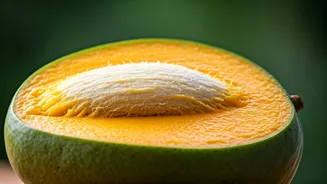
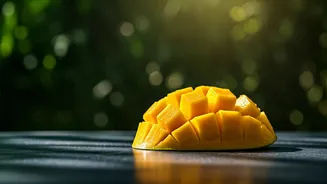
in your mouth. There’s a floral, almost perfumed aroma that announces its presence before you even take a bite. Eating a good mango is a full-sensory experience. It’s the flavor of sunshine, a vacation in fruit form. In a world of year-round bananas and apples, the mango’s distinct and powerful flavor profile reminds us what it’s like to eat something truly special and in its prime. It’s the kind of fruit you eat leaning over the sink, juice dripping down your chin, with absolutely no regrets. That primal, messy, delicious experience is a core part of its charm.
A Sweet Slice of Global History
The love for mangoes is also deeply rooted in culture and nostalgia. Originating in South Asia over 5,000 years ago, the mango is more than just a fruit; it's a cultural symbol of love, fertility, and friendship in many parts of the world. For millions of Americans with roots in India, the Philippines, Mexico, and the Caribbean, the arrival of mango season is a powerful link to home. It brings back memories of childhood, of climbing trees, or of special desserts shared during family celebrations. This cultural weight elevates the mango from a simple commodity to a cherished treasure. When you see boxes of Alphonso or Kesar mangoes—revered Indian varieties—being sold for a premium at specialty grocers, you’re not just seeing a fruit for sale. You’re seeing a community reconnecting with a piece of its heritage, a taste of a place that might be thousands of miles away.
Not All Mangoes Are Created Equal
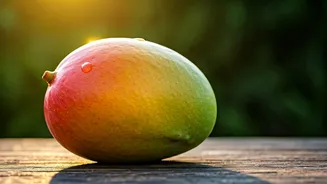
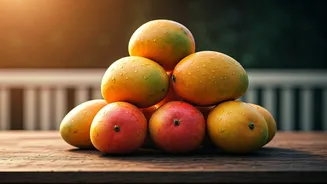
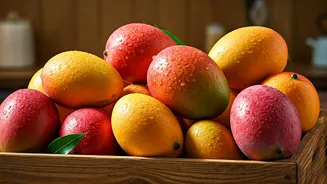
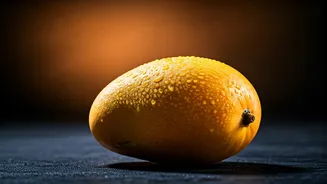
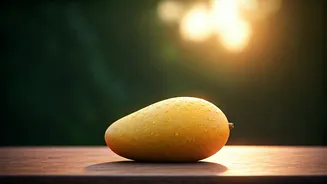
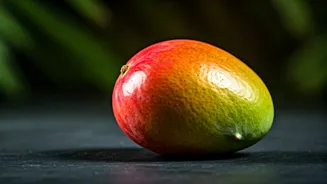
Part of the joy of mango season is navigating the cast of characters you’ll find at the store. The most common variety in the U.S. is the Tommy Atkins—a sturdy, handsome fruit with a beautiful red blush. It’s reliable, but can be a bit fibrous. True aficionados are often on the hunt for something more. The small, yellow Ataulfo (or Honey) mango is a game-changer for many; it’s completely fiberless, with a velvety texture and a sweet, honeyed flavor. Later in the season, you might find Kent and Keitt mangoes. These large, green-skinned fruits are often overlooked but hide a supremely juicy, sweet, and non-fibrous flesh. Learning the differences—and picking a favorite—is part of the fun. It transforms a simple grocery trip into a treasure hunt for the perfect specimen, turning consumers into connoisseurs for a few glorious months.
The Ritual and The Reward
Finally, the appeal of mango season is tied to its fleeting nature. Because they aren’t available in their prime all year long, their arrival feels like an event. There’s a ritual to it all: the gentle squeeze to test for ripeness, the sniff at the stem for that tell-tale fragrance, the patient wait as a rock-hard fruit softens on your kitchen counter over a few days. This anticipation builds the excitement. In our on-demand world, being forced to wait for something makes the reward that much sweeter. The first perfectly ripe mango of the season isn't just a snack; it’s a victory. It’s a confirmation that you chose well, waited patiently, and are now about to enjoy one of nature’s most perfect creations. This simple, satisfying process is a welcome antidote to the instant gratification that defines so much of modern life.