





What's the Warning About?
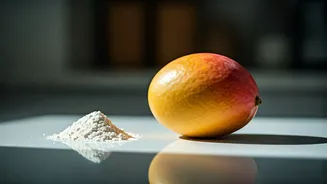
The source of the stress is a consumer advisory from the Food Safety and Standards Authority of India (FSSAI). Each year, as mango season hits its peak, the FSSAI warns the public about a persistent and dangerous practice: the use of calcium carbide to
artificially ripen mangoes. While this is an issue primarily tracked within India, it shines a light on the global food supply chain and the pressures that bring fruit to our tables. The FSSAI is essentially telling consumers to be vigilant, as not all that is yellow and beautiful is necessarily safe to eat.
The Problem with Calcium Carbide
So, why the fuss over a chemical? Calcium carbide is an industrial-grade chemical that, when it comes into contact with moisture, produces acetylene gas. This gas mimics the effect of ethylene, the natural plant hormone that causes fruit to ripen. However, it's a crude and dangerous shortcut. Commercial-grade calcium carbide often contains impurities like arsenic and phosphorus hydride, which are highly toxic to humans. According to health experts, consuming fruit ripened this way can lead to symptoms ranging from stomach upset and headaches to more severe neurological issues with prolonged exposure. The process is a health risk for both the workers handling the chemical and the consumers eating the end product.
Why Do Sellers Use It?
The motivation is purely economic. Natural ripening is a slow process that depends on the fruit reaching maturity on the tree. By harvesting mangoes early and green, sellers can transport them over long distances without spoilage. Once they reach the market, a quick dose of calcium carbide can turn an entire batch of hard, green mangoes a uniform, appealing yellow in just a day or two. This allows for a quicker turnover, reduces losses from rot during transport, and ensures a visually perfect product that customers are more likely to buy. It’s a shortcut that prioritizes appearance and profit over natural processes and consumer safety.
Does This Affect Mangoes in the U.S.?
For the most part, the mangoes in your average U.S. supermarket are safe from this specific issue. The majority are imported from Mexico, Peru, and Ecuador, and are subject to FDA regulations. However, for connoisseurs who seek out prized Indian varieties like the Alphonso or Kesar mango, the story is more complex. These mangoes are often imported to the U.S. after undergoing an irradiation process to meet import standards. While the FDA has strict rules, the issue of artificial ripening often begins at the local farm or market level in the country of origin. The FSSAI's warning serves as a valuable reminder that food supply chains are long, and awareness is a consumer's best defense, no matter where they are.
How to Spot an Artificially Ripened Mango
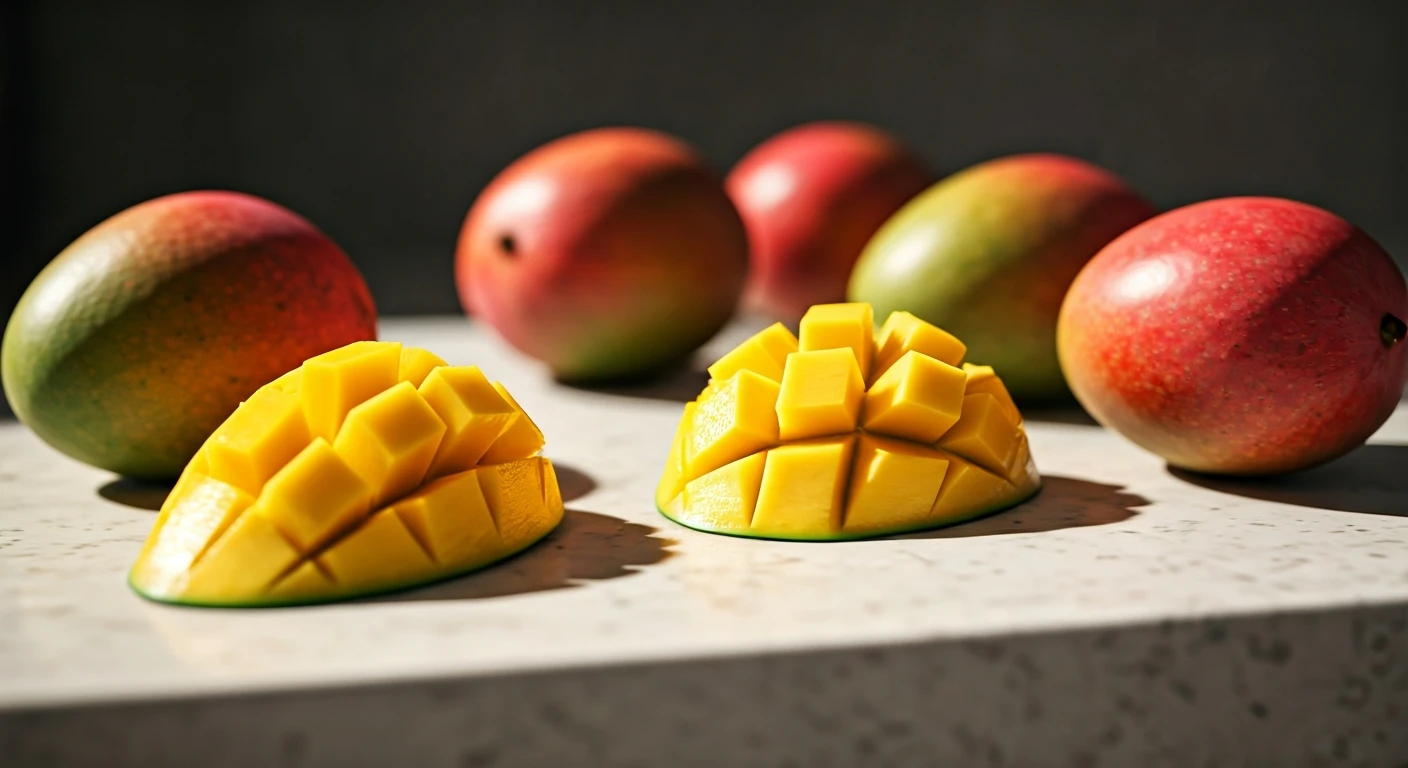
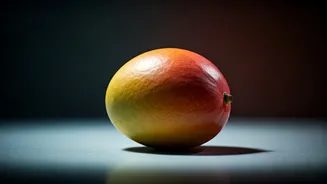
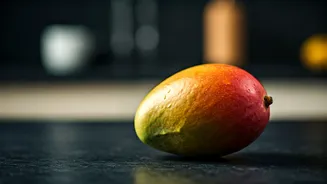
You don't have to give up mangoes, just get better at shopping for them. Here are some tips, courtesy of food safety experts, to help you pick the real deal: * **Check the Color:** Artificially ripened mangoes often have a uniform, unnaturally bright yellow color, but may have patches of green. Naturally ripened ones have a more blended gradient of yellow and green. * **Smell It:** A naturally ripened mango will have a strong, sweet, fruity aroma near the stem. A chemically ripened one will have little to no smell. * **Feel the Texture:** The fruit might look ripe, but if it feels hard and has very little give when you press it, it may have been ripened artificially. * **Look for the Juice:** A key sign of a good mango is its juiciness. If you buy a mango that looks ripe but is not juicy when you cut it, it’s a red flag. * **The Bucket Test:** FSSAI recommends placing mangoes in a bucket of water. Naturally ripened mangoes will sink, while those ripened with chemicals tend to float.