


A Tradition Steeped in Rain
In South Asia, the monsoon isn't just a weather pattern; it's a powerful cultural event. After months of scorching heat, the cooling rains bring relief, renewal, and a dramatic shift in atmosphere. The gray skies and rhythmic downpour create a cozy, contemplative
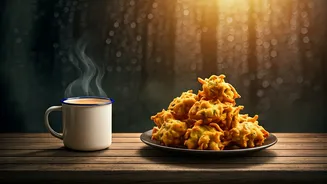
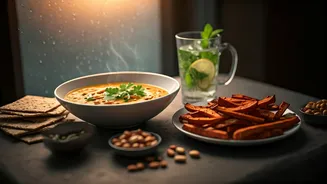
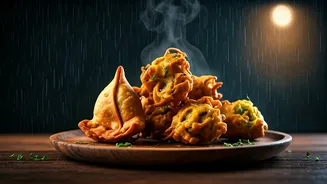
mood known as 'chai-pakora' weather. This isn't just a saying—it's a sensory experience. The combination of hot, spiced tea (chai) and freshly fried fritters (pakoras) is more than a snack; it's a ritual. It’s about gathering with family, watching the rain from a window or veranda, and indulging in a comfort food that feels perfectly suited to the damp, cool air. This tradition connects generations and offers a delicious, tangible way to celebrate nature's dramatic shift.
The Irresistible Fried Lineup
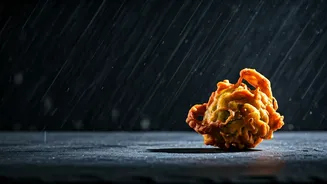
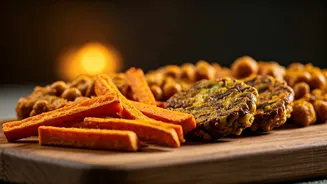
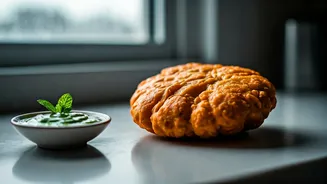
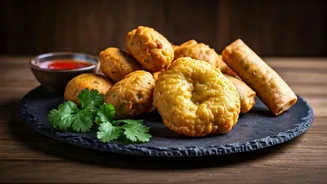
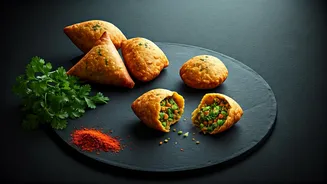
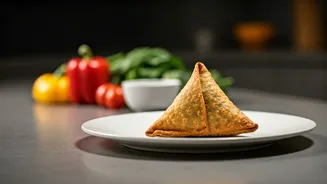
So, what exactly is on the monsoon menu? The stars are almost always deep-fried. Pakoras (or bhajis) are at the top of the list—vegetables like onions, potatoes, spinach, or cauliflower are dipped in a spiced chickpea flour batter and fried until golden and crunchy. Then there are samosas, the iconic triangular pastries filled with spiced potatoes and peas, whose crispy shell shatters with every bite. Other favorites include kachoris (flaky pastries with lentil filling) and bread pakoras (bread slices stuffed, battered, and fried). What they all have in common is a savory, spiced flavor profile and a cooking method—deep-frying—that delivers an undeniably satisfying crunch and richness, making them the perfect companion to a cup of hot, milky chai.
The Uncomfortable Health Truth
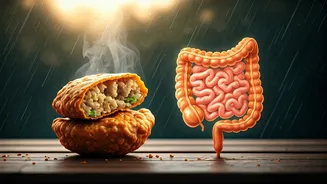
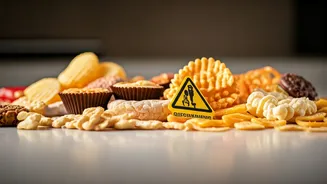
Here's the reality check the headline promises. While delicious, a diet heavy in deep-fried foods comes with significant health considerations. The process of deep-frying adds a massive number of calories and unhealthy fats to otherwise wholesome ingredients like vegetables and chickpeas. The type of oil used, and whether it’s reheated multiple times (a common practice in street food stalls to save costs), is a major concern. Reheating oil can increase the formation of trans fats and other harmful compounds linked to heart disease and inflammation. Consumed frequently, these snacks can contribute to weight gain, high cholesterol, and an increased risk of chronic diseases. The comfort they provide is real, but the long-term cost can be high if they become a daily habit rather than an occasional treat.
Reinventing the Classics for Modern Kitchens
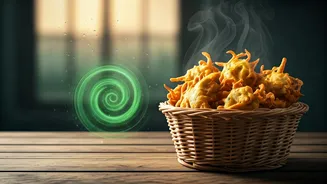
The good news is that you don't have to abandon the tradition to protect your health. Modern kitchen gadgets and a little creativity can deliver that same comforting experience with a fraction of the fat. The air fryer is a game-changer for recreating pakoras and samosas, producing a remarkably crispy exterior with just a light spritz of oil. Baking is another fantastic option. Arrange your battered vegetables or filled pastries on a sheet pan and bake at a high temperature until golden brown. You can also shallow-fry items in a pan with just a tablespoon or two of a heart-healthy oil like avocado or olive oil. These methods drastically cut down on the fat and calories, allowing you to enjoy the flavors you crave more often.
The Golden Rule: Mindful Indulgence
Ultimately, the conversation around monsoon snacks isn't about complete deprivation. Food is culture, memory, and joy. Outright banning these treats would mean missing out on a significant part of that cultural experience. The key is mindfulness and moderation. Enjoying a plate of traditionally fried pakoras from your favorite street vendor once in a while is perfectly fine. The problem arises when it becomes a daily ritual throughout the three-month monsoon season. By balancing occasional, authentic indulgences with healthier, homemade versions, you can honor the tradition without compromising your well-being. It’s about finding a sustainable balance that lets you have your pakora and eat it, too.