






The New Travel Agent Is a Chatbot
Imagine planning a multi-day trip to the mountains not by searching a dozen websites, but by having a simple conversation. You tell a chatbot your budget, your interests, and who you’re traveling with. Moments later, it comes back with a full itinerary,
complete with flight options, hotel bookings, and a day-by-day activity schedule. This isn’t a scene from a sci-fi movie; it’s the reality for an emerging segment of Indian tourists. Major travel players like MakeMyTrip and ixigo, alongside nimble startups, are rolling out AI assistants that function like a super-powered travel concierge. Often integrated directly into WhatsApp—the default communication app for hundreds of millions in India—these bots offer a seamless, conversational alternative to the traditional, click-intensive booking process. They’re designed to understand natural language, learn user preferences, and take the friction out of piecing together the complex puzzle of a modern getaway.
Why India? A Perfect Storm for AI Travel
So, why is this trend taking off so rapidly in India? It’s a combination of unique demographic, technological, and cultural factors. First, India has one of the world's largest and youngest populations, a demographic that is not just mobile-first, but often mobile-only. For them, a conversational interface inside an app they already use 50 times a day feels more natural than a clunky desktop website. Second, the Indian travel market is incredibly diverse and complex. Travelers are often looking for hyper-specific, value-conscious options, from navigating intricate train schedules to finding vegetarian-friendly hotels in a remote town. AI is uniquely suited to sift through this massive amount of data to provide personalized, budget-friendly recommendations at a scale human agents can’t match. Finally, there's the sheer volume. With a booming middle class, domestic and international travel is exploding. AI provides a scalable way for travel companies to serve this massive, growing demand without exponentially increasing their customer service staff.
From Flight Deals to Full Itineraries
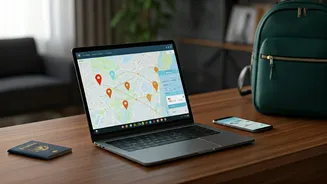
The capabilities of these travel bots go far beyond just finding a cheap flight. Early versions were simple query-and-response tools. Today’s generative AI-powered planners are far more sophisticated. Users can give them vague prompts like, “Plan a relaxing 4-day beach trip for two from Delhi next month under ₹50,000.” The AI can then suggest destinations, compare the vibe of Goa versus the Andaman Islands, and build a complete package. For instance, Indian travel giant ixigo launched PLAN, an intelligent trip planner that acts as a brainstorming partner, suggesting destinations and activities based on conversational input. These bots can handle multi-city bookings, recommend off-the-beaten-path experiences, and even adjust plans on the fly. Some are being trained to provide real-time assistance during a trip, helping with everything from a missed connection to finding a nearby pharmacy, all through a simple text chat.
A Glimpse of Travel's Future
While the idea of an AI planner might sound impersonal, for many Indian users it represents the opposite: the democratization of personalized service. The bespoke itinerary, once the domain of expensive travel agents, is now accessible to anyone with a smartphone. This shift addresses a key pain point for the modern traveler: information overload. Instead of being paralyzed by choice, users get a curated, actionable plan they can trust and tweak. This trend isn't just an Indian phenomenon; it’s a test case for the entire global travel industry. As companies in the U.S. and Europe watch, they’re seeing a blueprint for how AI can move from a background optimization tool to a front-and-center consumer product. The success in India shows that when the technology is integrated seamlessly into users’ existing digital lives, adoption can be swift and transformative.