




The Challenge of the Modern Floor Plan
Whether you’re in a downtown studio apartment, a suburban home with a crowded spare room, or simply trying to carve out a workspace in your living area, the problem is the same: you need your space to do more. The rise of remote work has transformed guest
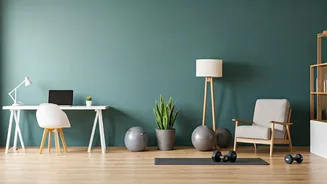
rooms into full-time offices and living rooms into conference centers. Open-concept floor plans, once celebrated for their airiness, can feel chaotic without defined zones for work, relaxation, and family time. Static, single-purpose furniture suddenly feels like a liability. A bed is just a bed, a desk is just a desk—and both consume a fixed, non-negotiable footprint 24/7. This is the central conflict of modern interior design: our lives are dynamic, but our furniture, historically, has not been.
The Rise of the Foldaway Study Pod
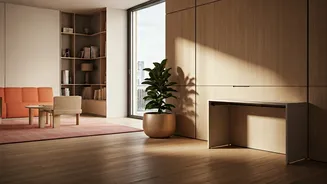
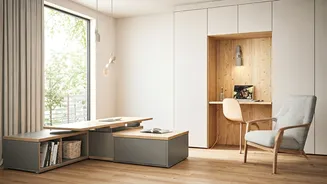
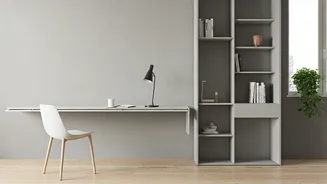
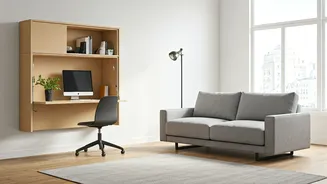
Enter the foldaway study pod, a brilliant evolution of the humble writing desk. More than just a foldable table, these are self-contained, often stylish cabinets or consoles that unfurl into a complete workstation. Imagine a sleek credenza against a wall that, when opened, reveals a desktop, shelving for notebooks, and even integrated lighting and power outlets. The key innovation here is not just concealment but transformation. It provides a dedicated workspace without permanently sacrificing a corner of your room. The psychological benefit is immense: at the end of the day, you can literally close your office. This simple act creates a powerful boundary between work life and home life, allowing you to reclaim your living space for relaxation. From wall-mounted units that seem to float to freestanding cabinets that double as sideboards, the study pod is a direct answer to the work-from-home era’s biggest spatial dilemma.
The Reinvented Convertible Sofa
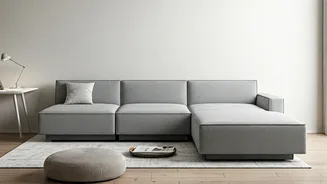
The term “sofa bed” might still conjure images of a lumpy mattress, a treacherous metal bar hitting your back, and a mechanism that requires an engineering degree to operate. But the modern convertible sofa is a different beast entirely. Today’s designs prioritize both comfort and aesthetics, refusing to compromise on either. Mechanisms have become incredibly user-friendly; many models convert from a sofa to a bed in seconds with a simple click-clack system or a smooth, lightweight pull-out motion. The mattresses have also seen a major upgrade, with many brands offering memory foam or high-density foam options that rival traditional beds. Crucially, designers have integrated storage into many models, with hidden compartments under the chaise or seat cushions providing a perfect spot to store bedding. The result is a piece of furniture that is genuinely a stylish, comfortable sofa by day and a welcoming, restful bed by night—the ultimate two-for-one deal for any living room or guest space.
Tips for Choosing Your Dynamic Furniture
Investing in transformable furniture requires a bit of homework to ensure it fits your space and lifestyle. First, measure everything. That means the furniture’s dimensions in both its compact and expanded forms, but also your doorways, stairwells, and hallways. There’s no heartbreak like a piece of furniture that can’t get into the room. Second, scrutinize the mechanism. In a showroom, operate it yourself multiple times. Does it feel sturdy and smooth? Read online reviews focusing on long-term durability. A piece that saves space but breaks in six months is no bargain. Finally, consider your daily routine. If you’ll be converting it every single day, ease of use is paramount. If it’s for occasional guests, you might be able to prioritize aesthetics or a larger sleeping surface. Think about how the piece will integrate into the flow of your home, not just how it looks in a photo.