




The Wisdom of Root-to-Stem Cooking
In many American kitchens, the journey of a carrot often ends with its peels in the compost bin and its green top discarded. But in countless South Asian—or Desi—households, this has long been seen as a missed opportunity. For generations, using every
part of a vegetable wasn't a trendy hashtag; it was a way of life, born from a blend of economic necessity and a deep-seated cultural respect for food. Grandmothers and mothers passed down techniques for turning fibrous stems, bitter peels, and overlooked seeds into flavorful, nourishing dishes. This root-to-stem philosophy views the entire plant as a source of sustenance, ensuring nothing goes to waste. It’s a sustainable practice that’s been embedded in the cuisine for centuries, long before “zero-waste” became a global movement.
From Frugal Tradition to Flavor Bomb
What’s changing is the framing. While the techniques are traditional, modern home cooks and chefs are highlighting them not just as a way to be frugal, but as a path to incredible flavor and texture. This isn’t about dutifully boiling peels for a bland stock. This is the “upgrade”—transforming what was once discarded into the star of the plate. Social media is filled with vibrant images of crispy potato peel snacks, rich green chutneys made from cilantro stems, and complex curries featuring watermelon rinds. The new focus is on culinary creativity. By applying the rich palette of Indian spices and cooking methods—tempering, frying, pickling—to these scraps, cooks are unlocking umami, crunch, and depth that you can’t get from the “main” part of the vegetable alone. It’s a shift from seeing scraps as something you *have* to use to something you *get* to use.
Upgrade 1: Stems and Peels
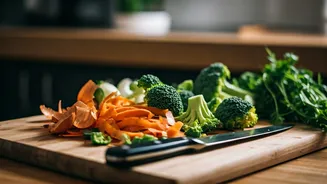
Let’s start with the most common culprits: cilantro stems and vegetable peels. Instead of tossing the tough stems of cilantro or parsley, blend them into a vibrant green chutney. The stems carry an intense, earthy flavor that the delicate leaves lack. Simply combine them in a blender with ginger, garlic, green chilies, a squeeze of lime juice, and a pinch of salt. The result is a pungent, powerful condiment perfect for sandwiches, grilled meats, or dipping samosas. Similarly, the peels from potatoes, carrots, or gourds like bottle gourd (lauki) can be turned into a delicious side dish. In Bengali cuisine, a dish called *khosha bhaja* involves stir-frying these peels with nigella seeds, turmeric, and green chilies until they are tender-crisp. It’s a simple, rustic dish that completely redefines the idea of a vegetable peel.
Upgrade 2: Rinds and Seeds
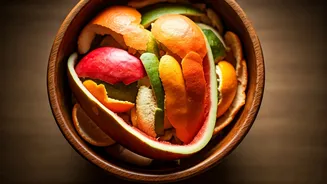
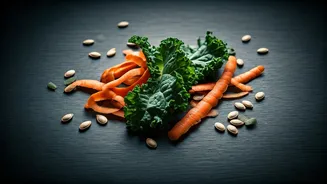
Watermelon is a summer staple, but the thick green rind almost always ends up in the trash. In many parts of India, this rind is treated as a vegetable in its own right. After peeling away the tough outermost green skin, the white part of the rind can be chopped and cooked into a *sabzi* (a dry or semi-dry curry) with tomatoes, onions, and spices like cumin and coriander. Its subtle, cucumber-like flavor and absorbent texture make it a perfect canvas for a flavorful sauce. Some even pickle it or use it to make a sweet preserve. Meanwhile, the seeds from pumpkins and other winter squashes shouldn’t be discarded. Instead of buying expensive pepitas, simply clean your own squash seeds, toss them with a little oil and your favorite spices—chaat masala, chili powder, or just salt—and roast them until golden and crunchy for a nutritious, addictive snack.
Upgrade 3: Cores and Leaves
The woody core of a cauliflower and its surrounding green leaves are packed with nutrients and a mild, sweet flavor. While the florets get all the glory, the rest of the plant is just as useful. Finely chop the core and stems and add them to stir-fries, soups, or lentil dishes like dal. They add a wonderful, slightly crunchy texture. The leaves can be treated like any other leafy green; sauté them with garlic and spices for a quick side dish or mix them into flatbread dough, like you would with spinach or fenugreek leaves. This approach doesn’t just apply to cauliflower. The green tops of carrots can be blended into a pesto, and the leaves of radishes or beets can be cooked into a delicious *thoran*, a South Indian coconut-based stir-fry. It’s about seeing the whole plant as an ingredient.