
Beyond the Traditional Mithai Box
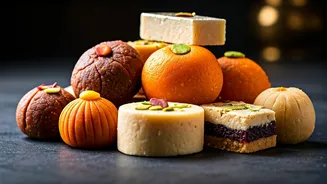
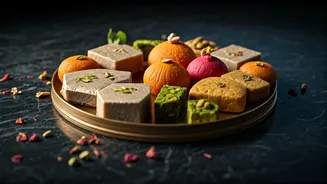
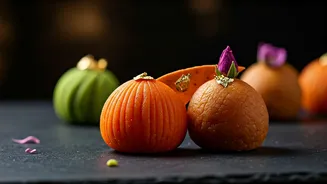
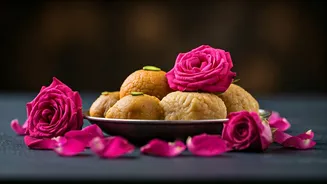
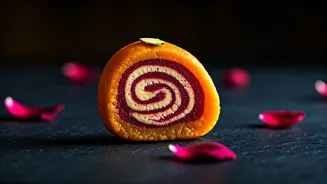
For decades, the sweet side of a Desi celebration—whether for Diwali, Eid, a wedding, or a birthday—was predictable in the most comforting way. The table would be laden with mithai: glistening, syrup-soaked gulab jamun; bright orange, intricate swirls
of jalebi; dense, fudgy squares of barfi. These sweets are steeped in nostalgia and tradition, often made from recipes passed down through generations. They are delicious, beloved, and central to the cultural fabric of the Indian subcontinent. Yet, for a younger, often U.S.-raised generation, these classics can sometimes feel a bit one-note—intensely sweet, heavy, and lacking the textural variety found in Western-style desserts. The choice was often binary: you either had the traditional mithai or a standard American cake. But a new wave of chefs, bakers, and home cooks are asking: why not both?
A Fusion of Form and Flavor
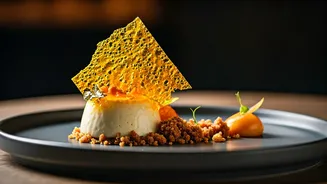
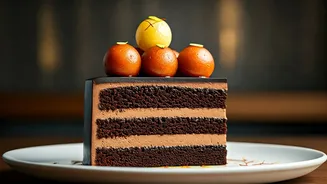
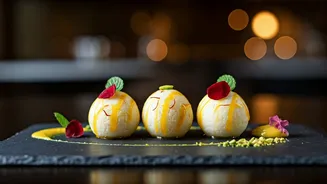
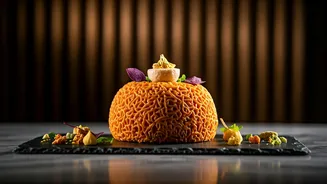
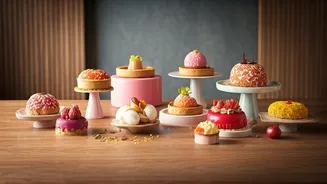
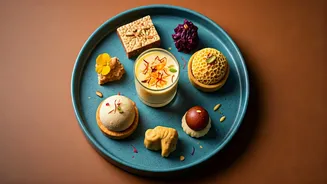
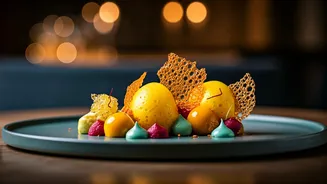
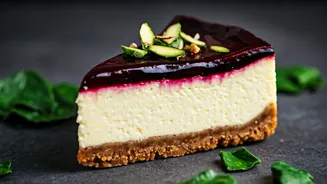
Enter the era of playful Desi desserts. This isn't about simply placing a traditional sweet on a new plate; it's a thoughtful and creative fusion of form, texture, and flavor. Imagine a velvety cheesecake, but instead of cherries, it’s studded with spongy, syrup-soaked gulab jamun balls, the tang of the cream cheese cutting perfectly through the sweetness. Picture a light, airy tiramisu where the coffee-soaked ladyfingers are replaced with soft, saffron-scented ras malai, creating a dessert that’s both familiar and thrillingly new. This trend is blossoming across the country in bakeries, pop-ups, and home kitchens. We’re seeing chai-spiced donuts, macarons flavored with pistachio and rosewater, and brownies swirled with rich, nutty halwa. Bakers are deconstructing classic flavors and rebuilding them in contemporary formats. A jalebi’s crispy, syrupy essence might be reborn as a crunchy topping for a cupcake, while the iconic mango lassi is transformed into a creamy, tangy panna cotta. It's a culinary dialogue between heritage and new horizons.
Identity on a Plate
So, why is this happening now? The trend is driven by a generation of South Asian Americans who are confidently navigating their dual identities. For many second- and third-generation immigrants, food is a primary connection to their heritage. Reinventing these desserts isn't an act of rebellion against tradition, but rather an embrace of it on their own terms. It’s a way to say, “This is my culture, too, and this is how I choose to express it.” This new culinary confidence is amplified by social media. A perfectly layered Ras Malai Tres Leches cake is undeniably photogenic, its saffron milk-soaked layers begging to be shared on Instagram. This visual appeal has helped propel the trend from niche bakeries into the mainstream, inspiring countless others to experiment. Furthermore, many of the creators behind these desserts are formally trained pastry chefs who are applying their classical French or American techniques to the beloved flavors of their childhood. The result is a product that is both technically sophisticated and emotionally resonant.
An Edible Expression of Culture
Ultimately, these playful desserts are more than just a passing food trend. They represent a cultural coming-of-age. They are an edible declaration that Desi culture in America is not a static museum piece but a living, breathing thing that evolves and adapts. By blending the familiar comfort of a brownie with the aromatic warmth of cardamom, or the creamy luxury of a cheesecake with the nostalgic sweetness of gulab jamun, these creators are telling a story of integration, not assimilation. These sweets provide a new entry point for those unfamiliar with South Asian flavors, making them more approachable and less intimidating than a box of traditional, and sometimes intensely flavored, mithai. They are conversation starters, bridge builders, and, most importantly, a delicious way to celebrate.