
The Setting is an Otherworldly Spectacle
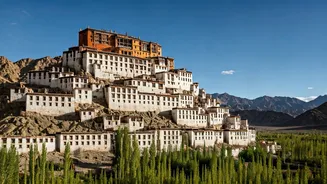
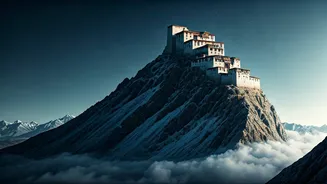
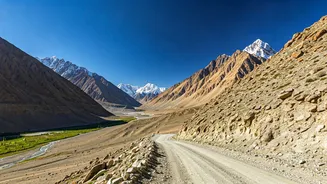
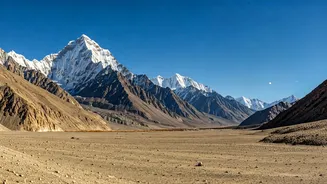
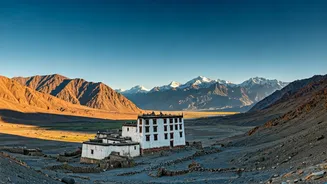
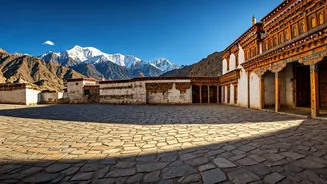
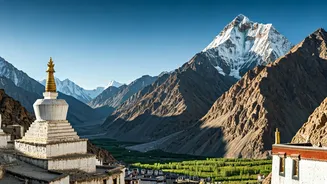
Most festivals fight for a scenic backdrop. At Hemis, the backdrop is the main event. The festival takes place at the Hemis Gompa, a 17th-century monastery clinging to a mountainside in a stark, beautiful valley. You are literally in the Himalayas, surrounded
by jagged, snow-dusted peaks under an impossibly blue sky. The air is thin, crisp, and charged with anticipation. This isn't a rented field or a repurposed park; it's a sacred space that has existed for centuries, cradled by the world's most formidable mountain range. The sheer scale and raw beauty of the location elevate the entire experience from a mere event to a pilgrimage. Every moment is framed by a view so dramatic it feels less like reality and more like a scene from an epic film.
The Performance is Sacred, Not Commercial
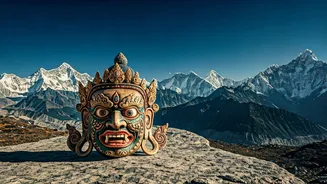
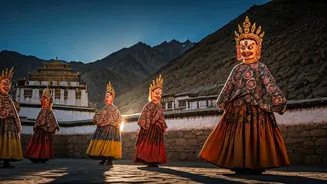
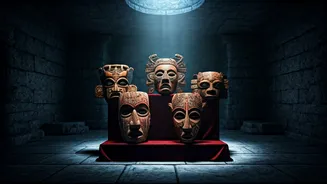
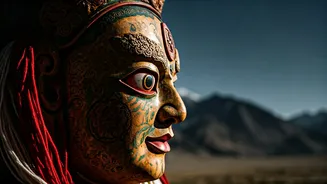
The centerpiece of the Hemis festival is the ‘chaam’ dance, a series of ritualistic masked performances by the monastery's monks. This is not entertainment for an audience; it is a sacred duty. Each mask represents a deity or demon, and the slow, deliberate movements tell ancient stories of the triumph of good over evil. The air fills with the dissonant harmony of long horns, booming drums, and clashing cymbals. Unlike a concert where performers are on a stage to be adored, the monks here are conduits for a spiritual tradition. They are performing a ritual to protect the land and its people. You’re not a consumer; you’re a witness to a living, breathing expression of faith that has been passed down for generations.
You Experience a Living History Lesson
The festival celebrates the birth of Guru Padmasambhava, the revered 8th-century sage credited with bringing Tantric Buddhism to Tibet. This isn't a celebration of a new album drop or a seasonal trend; it’s an annual reconnection with a foundational historical and spiritual figure. The stories, costumes, and music are a direct link to a distant past. Every 12 years, the experience becomes even more profound with the unfurling of a gigantic thangka—a sacred silk appliqué scroll depicting Guru Padmasambhava. This colossal artwork, several stories high, is displayed for only a few hours, an event that draws devotees from across the Himalayan region. Attending Hemis is like stepping into a time capsule, offering a rare and unfiltered glimpse into the heart of Tibetan Buddhist culture.
It’s an Authentic Cultural Immersion
While Hemis attracts travelers, it has remained refreshingly immune to the hyper-commercialization that plagues many popular events. The crowd is a fascinating mix of international visitors and local Ladakhis, who attend in their finest traditional dress. Families spread out picnics on the monastery grounds, sharing butter tea and ‘tsampa’ (roasted barley flour). There are no VIP sections, no brand activations, and no pressure to buy merchandise. The focus remains squarely on community and devotion. It’s an opportunity to observe and respectfully participate in a local tradition, not just consume a packaged version of it. The interactions are genuine, the atmosphere is communal, and the experience feels deeply authentic.
The Journey Itself is an Adventure
Getting to Hemis is half the experience. Ladakh, known as the "Land of High Passes," is a remote region accessible by a breathtaking flight over the Himalayas or a multi-day overland drive through some of the world's highest mountain roads. The journey requires planning, patience, and acclimatization to the high altitude (Leh, the main town, sits at over 11,000 feet). This barrier to entry ensures that everyone who makes it is truly committed. The effort strips away the casual tourist, leaving a crowd of dedicated travelers, pilgrims, and adventurers. By the time you arrive at the monastery, you’ve already completed a rite of passage, making the festival itself feel like a well-earned reward.