



Start with a Better Base
The days of sad, watery iceberg lettuce are over. The foundation of a true superfood salad is a bed of dark, leafy greens packed with vitamins and minerals. Think beyond romaine and consider spinach, which is rich in iron and vitamin K, or kale, a powerhouse
of vitamins A, C, and K. For a peppery kick, try arugula, which adds a sophisticated bite. For extra texture and nutrients, you can mix and match, creating a more complex flavor profile. The key is to see the greens not as a filler, but as the first and most important flavor-building layer of your meal.
Pick a Protein Powerhouse
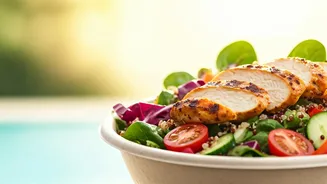
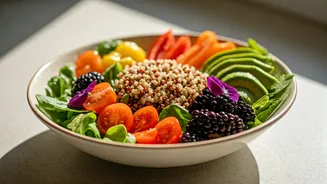
A salad won't keep you full if it's just vegetables. To avoid the dreaded 3 p.m. hunger pangs, you need a substantial source of protein. This is what transforms a light side dish into a legitimate lunch. Classic choices like grilled chicken or salmon are excellent, providing lean protein and, in the case of salmon, healthy omega-3 fatty acids. For plant-based options, roasted chickpeas offer a satisfying crunch and a good dose of fiber and protein. Quinoa, technically a seed, is a complete protein and adds a wonderful texture. A hard-boiled egg or a scoop of lentils are also easy, nutrient-dense additions.
Add Healthy Fats for Satiety
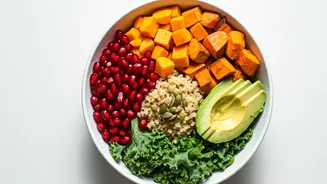
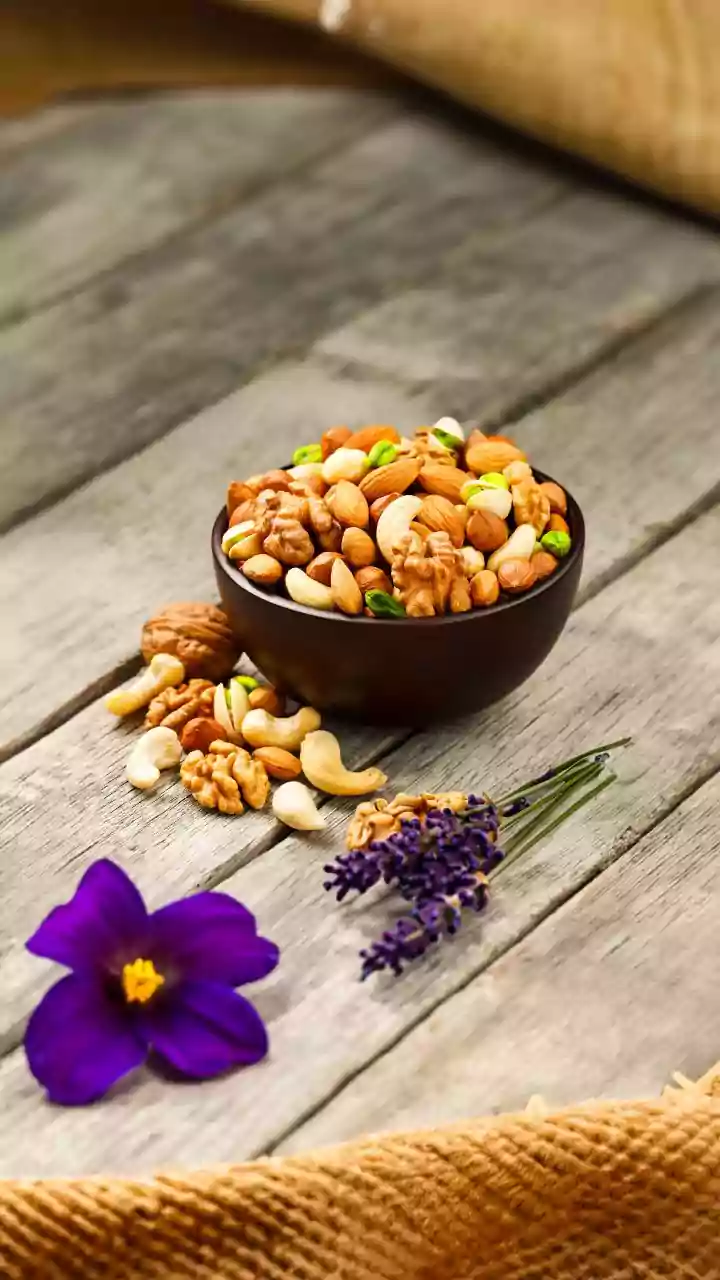
Fat is not the enemy; in fact, the right kinds of fat are essential for absorbing certain vitamins and making you feel full and satisfied. This is where many salads fall short. Sliced avocado is a creamy, delicious option loaded with monounsaturated fats and potassium. A sprinkle of nuts or seeds—like almonds, walnuts, or pumpkin seeds—adds not only healthy fats but also a crucial textural crunch. A small amount of a high-quality cheese like feta or goat cheese can also provide flavor and fat, turning a simple salad into something more indulgent.
Load Up on Color (and Nutrients)
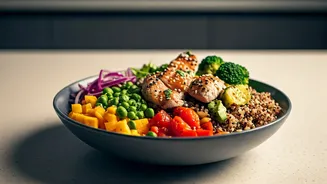
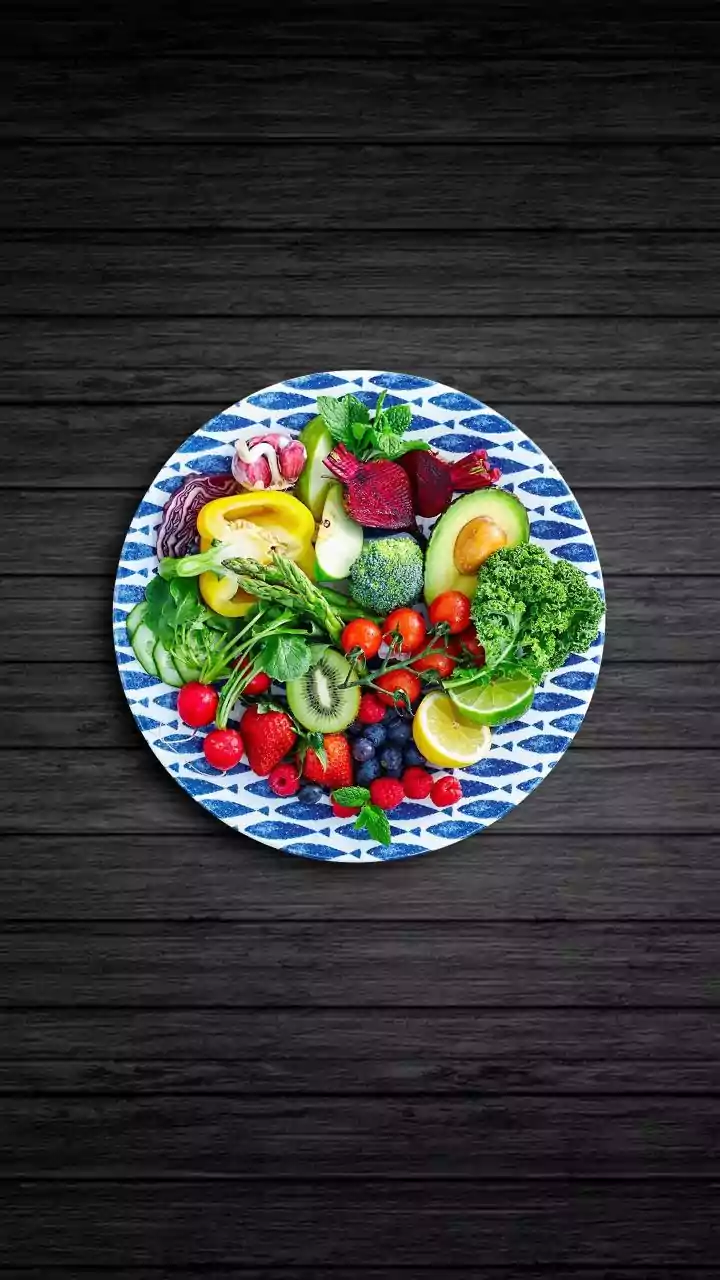
The old advice to “eat the rainbow” is especially true for salads. Each color in your fruits and vegetables typically represents a different set of phytonutrients and antioxidants. Bright red bell peppers or tomatoes provide vitamin C and lycopene. Blueberries or blackberries add a touch of sweetness and a burst of antioxidants. Shredded carrots bring beta-carotene, and vibrant purple cabbage adds visual appeal and vitamins. Don't be afraid to mix sweet and savory. A few slices of fresh peach in a summer salad with arugula and goat cheese is a game-changer.
Ditch the Bottled Dressing
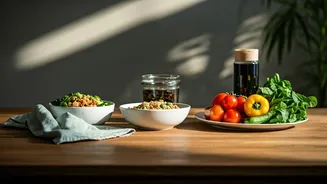
You can build the world's healthiest salad and then ruin it with a store-bought dressing loaded with sugar, sodium, and preservatives. Making your own vinaigrette is shockingly simple and infinitely better. The classic ratio is three parts oil to one part acid. For the oil, use a good quality extra-virgin olive oil. For the acid, use lemon juice, red wine vinegar, or apple cider vinegar. Add a pinch of salt and pepper, maybe a dab of Dijon mustard to help it emulsify, and shake it all up in a jar. It takes less than two minutes and allows you to control every ingredient.