




Breaking Down the Basics: What is Ekadashi?
Before we get to the 'Parama' part, let's talk about Ekadashi. In the Hindu lunar calendar, the month is split into two fortnights based on the moon's waxing and waning phases. Ekadashi is simply the eleventh day ('ek' meaning one, 'dashi' meaning ten)
of each of these two phases. This means it occurs roughly twice a month, making it a regular fixture for millions of Hindus worldwide. Think of it less as a single holiday and more as a recurring opportunity for spiritual housekeeping. It’s a day traditionally set aside for introspection, devotion, and physical and mental purification. For observers, it’s a chance to step back from the daily grind and reconnect with their spiritual side, often through specific practices like fasting and prayer.
So, What Makes 'Parama' So Special?
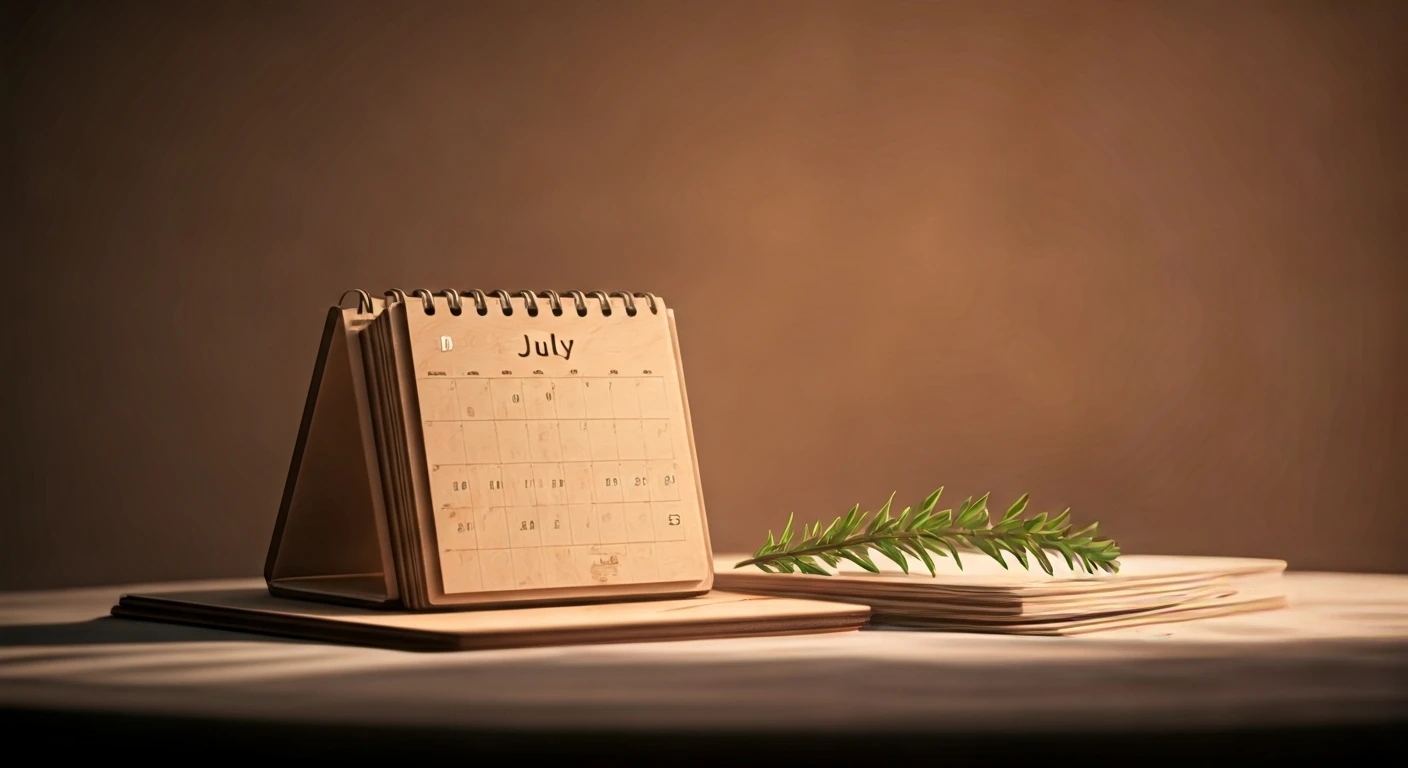
If Ekadashi is a regular appointment, Parama Ekadashi is the rare, can’t-miss special event. Its uniqueness comes from the intricacies of the Hindu lunisolar calendar. This calendar occasionally requires an extra month, known as 'Adhika Masa' or 'Purushottam Masa,' to keep it aligned with the solar seasons. This intercalary month is inserted every two to three years. Parama Ekadashi is the Ekadashi that falls only during this special, extra month. Its rarity makes it exceptionally auspicious. While the headline playfully puts it in June, its actual date shifts with the Adhika Masa. For observers, its appearance on the calendar is a profound spiritual opportunity, believed to bring immense blessings. It's dedicated to Lord Vishnu and is seen as a powerful time to absolve past karmas and seek divine grace.
How Is It Observed?
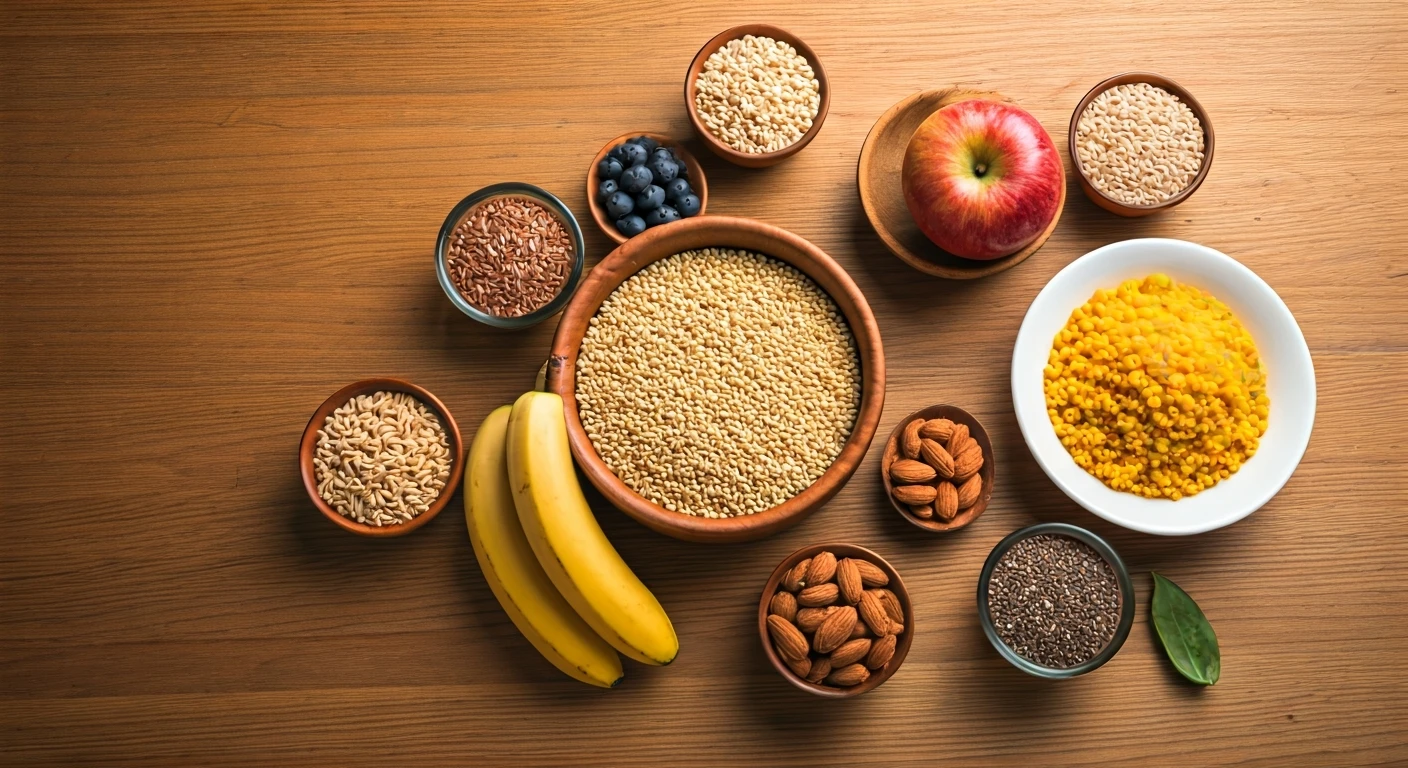
The observance of Parama Ekadashi, like other Ekadashis, is centered on fasting, but it’s not just about abstaining from food. The fast, known as a 'vrat,' is traditionally a complete fast from grains, beans, and lentils. Some followers undertake a strict fast with only water, while others consume fruit and dairy. But the physical act is merely a tool to achieve the primary goal: detaching from worldly distractions to focus the mind on the divine. The day is spent in prayer, chanting mantras, reading sacred texts like the Bhagavad Gita, and singing devotional songs (bhajans). Acts of charity are also highly encouraged, as giving to those in need is seen as a vital part of the observance. It’s a holistic practice designed to purify the body, mind, and spirit.
A Fuller Calendar, a Richer Life
So how does this make the calendar 'feel fuller'? In a culture driven by productivity and a packed social schedule, days like Parama Ekadashi offer a different kind of fullness—one of intention and reflection. Instead of being another box to check on a to-do list, it’s a deliberate pause. These observances punctuate the year not with external events, but with internal milestones. They create a rhythm that connects individuals to a tradition stretching back millennia, to the cycles of the moon, and to their own inner world. For those who observe it, Parama Ekadashi isn’t just an extra day; it’s an infusion of meaning, a reminder that time can be measured not just in hours and minutes, but in moments of devotion and peace.