



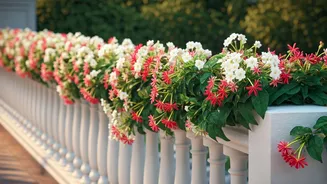


Choose Your Star Performer
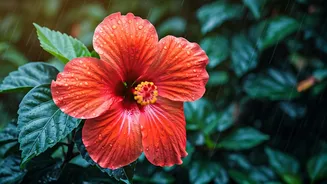
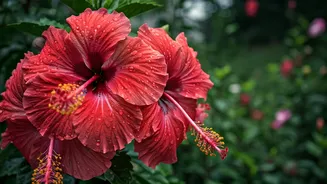
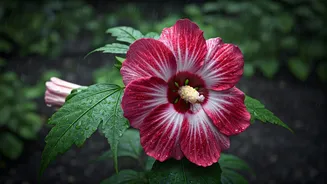
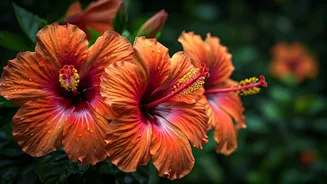
Not all hibiscus are created equal, especially when it comes to handling summer deluges. The first step is picking the right type for your climate. Tropical hibiscus (Hibiscus rosa-sinensis) are the stars of zones 9-11, known for their glossy leaves and enormous,
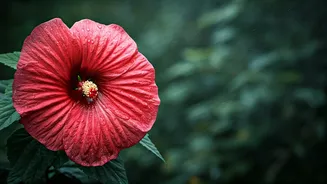
vibrant blooms in shades of red, pink, orange, and yellow. They love heat and humidity but are sensitive to cold, making them perfect for containers in cooler climates that can be brought indoors. On the other hand, Hardy hibiscus (Hibiscus moscheutos), also known as Rose Mallow, are tough perennials that can survive winters as far north as zone 4. Their blooms are often even larger than their tropical cousins—some reaching the size of dinner plates—and they adore the moist soil that summer rains provide. For a garden that has to endure both hot, wet summers and cold winters, the hardy hibiscus is your most reliable choice.
The Foundation: All About Drainage
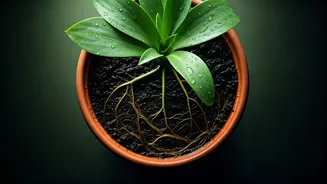
While hibiscus enjoy consistent moisture, they despise “wet feet.” This is the single most important factor for success during a rainy season. Soggy, waterlogged soil leads to root rot, the fastest way to kill an otherwise healthy plant. If you're planting in the ground, amend heavy clay soil with organic matter like compost to improve its structure and drainage. Creating a raised bed or planting on a slight slope can also work wonders. For container-grown hibiscus, the solution is simpler but just as crucial. Ensure your pot has multiple, generous drainage holes. Use a high-quality, well-draining potting mix, often labeled for containers or tropical plants. You can even add a bit of perlite or sand to the mix to enhance aeration. Never let your potted hibiscus sit in a saucer full of water, especially during a rainy spell.
Watering Wisdom During the Rains
It seems counterintuitive to worry about watering when it’s raining every day, but this is when careful attention is needed. The goal is to maintain consistent moisture, not constant saturation. Mother Nature will handle most of the work during a wet week. Your job is to monitor the soil. The classic finger test works best: stick your finger about two inches into the soil. If it feels dry at that depth, it’s time to water. If it’s damp, hold off. This is especially important for container plants, which can still dry out under a covered porch even when it's pouring rain nearby. When you do water, do it deeply to encourage strong root growth, then let the soil dry slightly before watering again. Overwatering is a far more common problem than underwatering for hibiscus in humid climates.
Feed Generously for a Summer-Long Show
Heavy rains don't just water your plants; they also leach essential nutrients from the soil, washing them away before the roots can absorb them. This means that even in rich soil, your hibiscus may become nutrient-deficient during a prolonged wet period. To keep the blooms coming, regular feeding is essential. Hibiscus are heavy feeders, requiring a balanced fertilizer that is high in potassium. Look for a fertilizer formulated specifically for hibiscus or blooming tropical plants. During the active growing season (spring and summer), apply a slow-release granular fertilizer every few months or use a water-soluble fertilizer every two to three weeks, following the package directions. If you notice yellowing leaves, it can be a sign of a nutrient deficiency, often iron or magnesium, which can be corrected with a targeted supplement.
Managing Pests and Problems
High humidity and constant moisture can create a welcoming environment for fungal diseases like powdery mildew and leaf spot. The best defense is good air circulation. Avoid crowding your hibiscus too closely with other plants. If you spot any diseased leaves, prune them off immediately to prevent the issue from spreading. Wet conditions can also attract pests like aphids, spider mites, and whiteflies. Inspect your plants regularly, paying close attention to the undersides of leaves. Often, a strong spray of water from the hose is enough to dislodge these pests. For more persistent infestations, insecticidal soap or neem oil are effective, environmentally-friendly options. A healthy, well-fed plant with good drainage is naturally more resilient to both pests and diseases.