



The Anti-Zucchini Effect
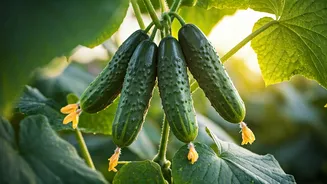
Every home gardener knows the zucchini phenomenon: you plant two seedlings in May and by August you’re leaving bags of them on your neighbors’ doorsteps, a desperate act of reverse-theft. The utility is there, technically, but it feels like managing a hilarious
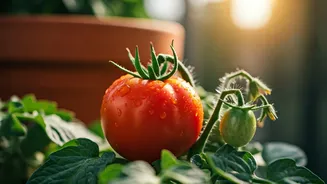
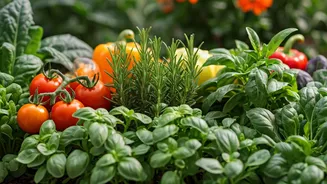
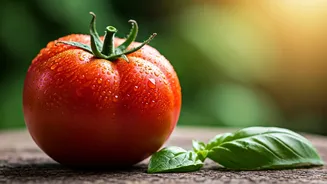
surplus. A tomato is different. The effort is higher, the process more fraught with peril—blight, hornworms, blossom-end rot. This very struggle is what makes the reward so profound. You don’t just get a tomato; you *earn* it. Each one represents a small victory against entropy. Unlike a radish you pull from the ground or a lettuce leaf you snip, a ripe tomato feels like a finished product. It has weight, substance, and a clear purpose. That heft in your palm is the physical manifestation of a season’s worth of watering, waiting, and watching. This effort-to-reward ratio is perfectly calibrated to deliver a deep sense of accomplishment, not just abundance.
A Rebuke to the Supermarket
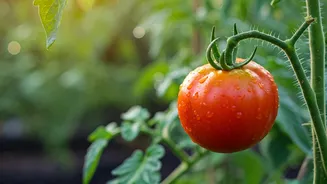
Perhaps the tomato’s greatest trick is its ability to expose the lie of the modern grocery store. The pale, hard, mealy spheres sold in plastic clamshells year-round bear only a passing resemblance to their homegrown counterparts. To eat a sun-warmed tomato, sliced thick and sprinkled with salt, is to experience a flavor so intense and complex that it redefines the very category. It’s a moment of truth that makes a gardener feel less like a hobbyist and more like the keeper of a sacred secret. This isn't just about taste; it's about purpose. By growing your own tomatoes, you are actively rejecting a food system that prioritizes durability and shipping over flavor and nutrition. You are producing something objectively superior to its commercial equivalent. That’s not just useful; it’s a quiet rebellion. Your garden isn’t merely decorative; it’s a corrective, producing food as it was meant to be.
The Ultimate Culinary Connector
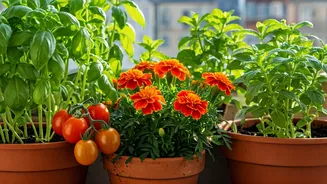
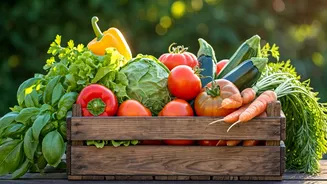
While herbs are wonderful accents and peppers add a welcome kick, the tomato is a culinary cornerstone. A single basket of ripe tomatoes doesn’t just represent one ingredient; it holds the promise of countless meals. It’s the base for a week’s worth of marinara sauce, the star of a Caprese salad, the soul of a fresh salsa, and the simple, perfect topping for a piece of toast with mayonnaise. This versatility makes the tomato the ultimate connector in the kitchen. It links your garden directly to the dinner table in a way few other plants can. You’re not just growing *a* vegetable; you’re growing the foundation of your summer cooking. This utility is what separates the merely ornamental from the truly functional. A garden with tomatoes is a garden that’s ready to do business, transforming from a pleasant pastime into a vital and delicious part of daily life.
A Gateway to Self-Sufficiency
No one is going to survive the apocalypse on a backyard crop of Cherokee Purples. But the feeling they provide is a powerful illusion of self-reliance. To transform a can of crushed tomatoes from a grocery list item into a task you complete yourself—simmering, seasoning, storing—is to tap into a primal sense of provision. It’s a tangible link to our agricultural past, a reminder that food doesn't have to come from a store. This feeling is the tomato’s greatest gift. It makes the garden feel essential. The weight of the harvest, the act of preserving it for later, the simple joy of grabbing a handful of cherry tomatoes for a snack—it all adds up to a sense of purpose that decorative flowers or fleeting herbs can’t quite match. Your garden is no longer just a space; it’s a small, productive plot of land that is actively making your life better, healthier, and more delicious.