




So, What Is Active Rest?
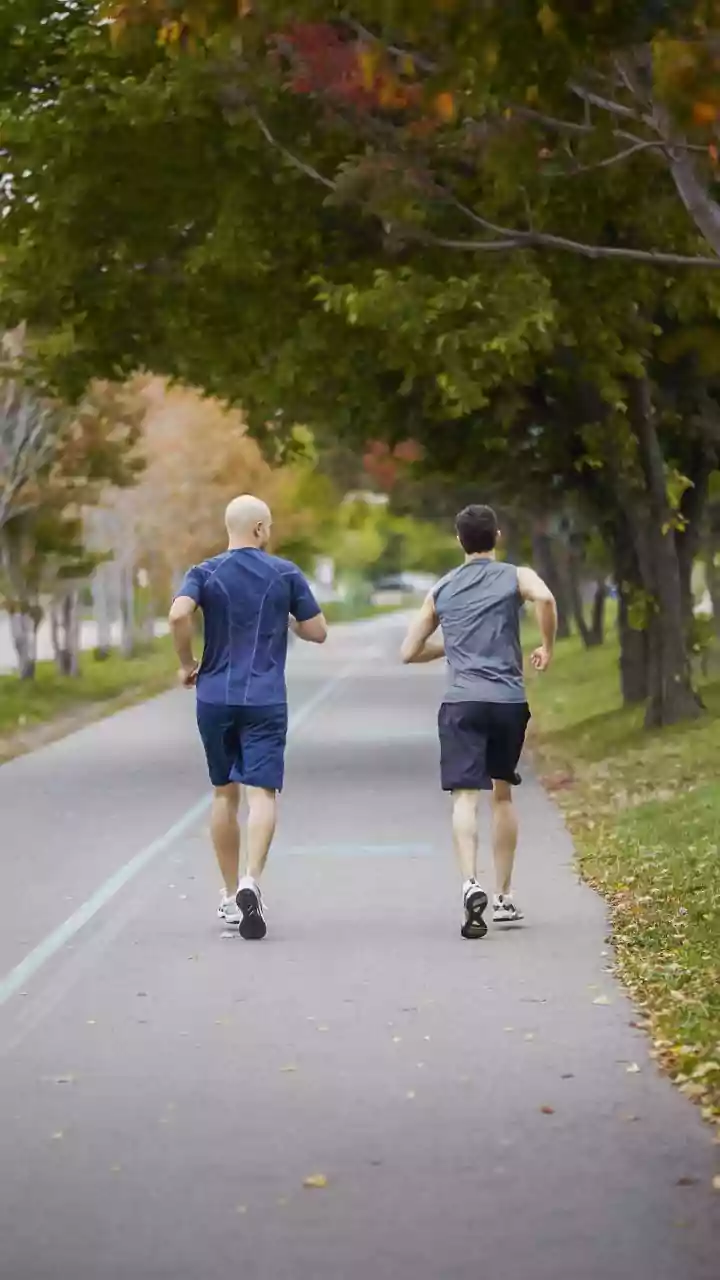
Forget the image of collapsing on the couch for a Netflix marathon. Active rest, also known as active recovery, is the practice of engaging in low-intensity physical activity on days when you’d otherwise be completely sedentary. Think of it as the opposite
of doing nothing. It’s not a grueling workout; it’s a gentle nudge to your body to keep moving. Common examples include a leisurely walk in a park, a restorative yoga session, light stretching, or a casual bike ride. The goal isn't to burn calories or build muscle, but to increase blood flow, reduce muscle soreness, and, most importantly, clear the mind without the pressure of a high-impact fitness routine.
The Unique Pressures of the Freelance Grind
Unlike a traditional 9-to-5, freelance life has no built-in boundaries. There’s no office to leave, no paid sick days, and no manager telling you to log off. The pressure to be 'always on'—answering client emails at 10 PM, taking on one more gig to secure next month's rent—is immense. For this generation of digital natives, the screen is both the office and the primary source of entertainment. A 'day off' can easily become a day spent anxiously scrolling, feeling guilty for not working. Passive rest often fails because the mind remains tethered to the digital world, leading to more fatigue, not less.
More Than Just a Walk in the Park
Active rest offers a powerful solution to this modern dilemma. Physically, it promotes circulation, helping to flush out metabolic waste from muscles and deliver fresh, oxygenated blood. This can speed up recovery from more intense workouts or simply alleviate the stiffness that comes from being hunched over a laptop all day. But the mental benefits are where it truly shines for the freelance workforce. A 20-minute walk provides a structured, screen-free break that forces a change of scenery and perspective. It acts as a mental reset button, helping to untangle creative blocks and reduce the low-grade anxiety that simmers during unstructured downtime. It creates a definitive boundary—a small ritual that says, 'I am done with work for this moment.'
How It Looks in the Real World
For a freelance graphic designer in Brooklyn, it might be a mid-afternoon walk to a coffee shop three neighborhoods away instead of the one on the corner. For a copywriter working from a home office in Austin, it could be a 30-minute stretching routine guided by a YouTube video to signal the end of the workday. For a social media manager, it might mean swapping a weekend of binge-watching for a long hike. These aren't just breaks; they are intentional acts of self-preservation. In a career defined by its lack of structure, young freelancers are using active rest to build their own. It’s a way to reclaim control over their time and well-being, turning rest from a passive, often guilt-ridden activity into a proactive, productive part of their daily routine.