






More Than a Window Box
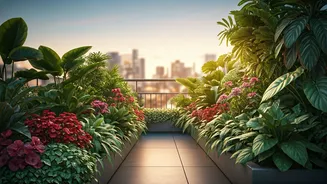
To understand the surge in balcony gardening across India, you have to understand the modern Indian city. In places like Mumbai, Bengaluru, and Delhi, apartments are vertical, space is a luxury, and a connection to nature can feel miles away. The balcony,
often a sliver of outdoor real estate, has become a cherished sanctuary. Filling it with plants isn't just about aesthetics; it’s an act of reclamation. It’s about carving out a personal, living space in the midst of a concrete jungle. While the headline’s claim of being the “most satisfying” hobby is impossible to prove, the reasons for its profound appeal are clear. For many, it’s a way to reclaim a piece of the earth, a tangible link to the land that feels increasingly distant in a fast-paced, digital world.
The Direct Kitchen-to-Pot Connection
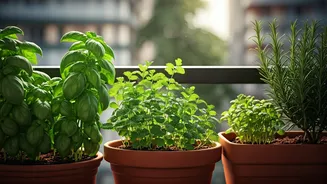
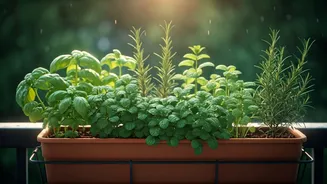
Unlike ornamental gardening in many Western countries, the Indian balcony garden is overwhelmingly practical. Its primary purpose is to serve the kitchen. The stars of the show are not flowers, but herbs and vegetables essential to daily cooking: fragrant coriander (cilantro), pungent mint, fiery chilies, and the indispensable curry leaf tree. The ability to snip fresh herbs moments before they’re tossed into a dal or ground into a chutney is a game-changer. This practice is driven by a growing desire for freshness and a deep-seated concern about pesticides on commercially grown produce. Having a pot of tulsi (holy basil) for tea or fresh mint for raita isn't a novelty; it's a return to a tradition of knowing exactly where your food comes from, ensuring it’s clean, flavorful, and packed with vitality.
A Low-Cost Dose of Wellness
The psychological benefits are just as important as the culinary ones. Tending to a small garden is a form of everyday mindfulness. The simple, repetitive acts of watering, pruning, and checking for new growth provide a calming, meditative ritual. It’s a sensory experience—the smell of damp earth, the texture of a leaf, the sight of vibrant green against a city skyline. This hobby offers an escape that’s both accessible and affordable. It doesn’t require a large yard, expensive equipment, or a significant time commitment. Just a few pots, some soil, and a handful of seeds can provide a powerful sense of accomplishment and a quiet moment of peace. In a culture that highly values family and community, it also becomes a shared activity—a way for grandparents to pass down knowledge or for children to learn the simple magic of growth.
Lessons for the American Balcony
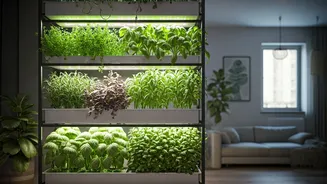
The spirit of the Indian balcony garden is universal and easily adaptable to American life. You don’t need an acre of land to experience the satisfaction of growing your own food. That small patio off your apartment or the sunny windowsill in your kitchen holds immense potential. The key is to take the same practical approach. Think about what you love to eat. If it's Italian food, a pot of basil and oregano is a perfect start. Love cocktails? A container of mint will elevate your mojitos all summer long. Enjoy roasts? A hardy rosemary plant is your best friend. The goal isn't to become fully self-sufficient; it's to supplement your cooking with the unparalleled flavor of something you grew yourself. It’s about building a small, personal connection to your food, one herb at a time.