







The 'Why Now?' Factor
The warning isn't about a single, sudden crisis, but a confluence of factors making food safety a more critical concern than ever. First, the post-pandemic boom in outdoor dining and events has led to a surge in street vendors. While most are diligent,
the rapid growth can strain regulatory oversight. Second, climate change isn't just an abstract concept; it means longer, hotter summers. Higher ambient temperatures create a perfect breeding ground for bacteria like Salmonella and E. coli, shrinking the margin for error when it comes to keeping food at safe temperatures. A cooler of ice that used to last all day might now be lukewarm water by mid-afternoon. This combination of more vendors and more heat means the responsibility increasingly falls on us, the consumers, to be vigilant.
Your Pre-Order Inspection
Before you even look at the menu, perform a quick, five-senses safety check. What do you see? Look for general cleanliness. Is the cart tidy? Are surfaces wiped down? Critically, are they using gloves, and are they changing them after handling money? A vendor handling cash and then grabbing your bun with the same hand is a major red flag. What do you hear? A long, constantly moving line is one of the best indicators of quality and safety. It means high turnover, so food isn't sitting around for hours. It also suggests the locals have already vetted this spot and deemed it trustworthy. What do you smell? Food should smell fresh and appetizing. Any 'off' or sour smells, especially around raw ingredients or condiment stations, are a clear signal to walk away. Trust your instincts—they've evolved for a reason.
A Smart Ordering Strategy
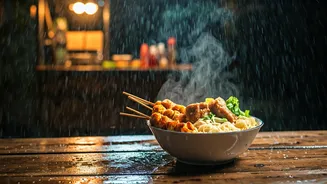
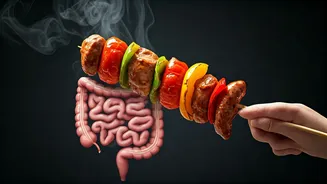
Not all street food items carry the same level of risk. Your safest bet is almost always food that is cooked to order, right in front of you, and served piping hot. The heat is your friend, as it kills most common pathogens. Think grilled skewers, burgers fresh off the flattop, or stir-fries from a blazing wok. Be more cautious with items that are pre-assembled and sit out, even if they're in a heated or cooled display. Foods like chicken salad, pre-cut fruit, or anything with a mayonnaise-based sauce are particularly high-risk if not held at a precise, constant temperature. Also, consider the complexity. A simple, well-cooked hot dog is often a safer choice than a dish with a dozen different cold, raw toppings that have been exposed to the elements.
Spotting the Signs of Legitimacy
Professional vendors are accountable to health departments. Look for a permit or license displayed prominently on the truck or cart. These documents show the operator has met local health and safety standards and is subject to inspection. In many cities, you'll see a letter grade—'A,' 'B,' or 'C'—just like in a brick-and-mortar restaurant. While an 'A' grade isn't an absolute guarantee of a perfect meal, it's a strong indicator of the operator's commitment to following the rules. The absence of any visible permit is a significant concern. It could mean the vendor is operating illegally and sidestepping the very safety protocols designed to protect you. Choosing vendors who operate within the system is not just about following rules; it's about choosing a baseline of safety.