



Welcome to India's Tea Country
For most Americans, the name Munnar may not ring a bell. Tucked into the Western Ghats mountain range in the southern state of Kerala, it’s a region that feels a world away from the bustling chaos often associated with Indian cities. This is India’s premier
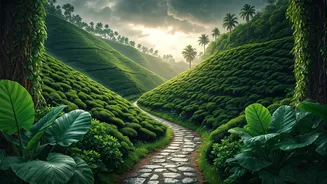
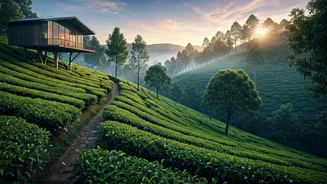
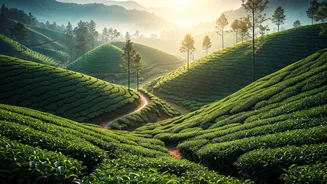
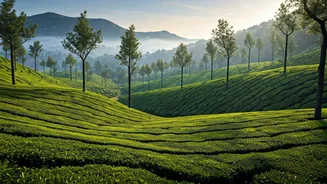
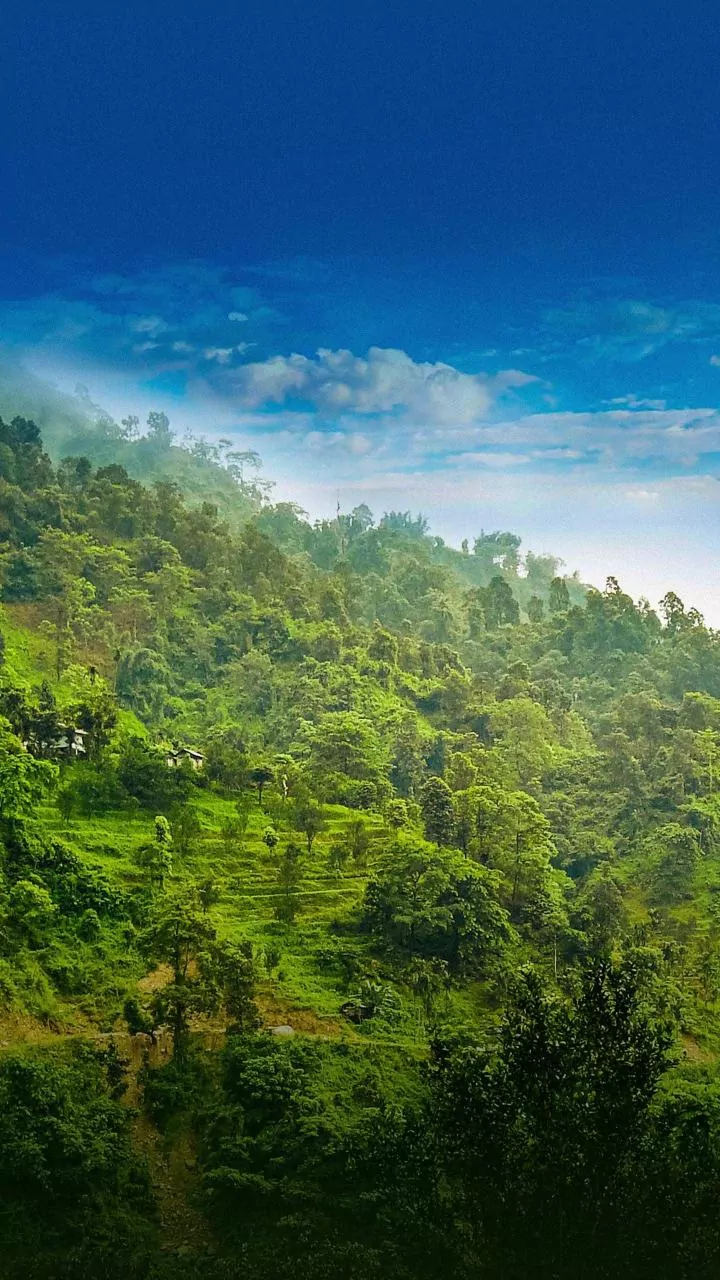
tea-growing region, a sprawling landscape of manicured plantations that climb and descend across dramatic hillsides. Think of it as India's answer to Tuscany's vineyards or the lavender fields of Provence—a landscape shaped by agriculture into something breathtakingly beautiful. The town itself, a former resort for the British Raj elite, sits at the confluence of three mountain streams, and its name literally translates to “three rivers.” But it’s the surrounding slopes, carpeted in an endless sea of emerald-green tea bushes, that define its soul.
The Science Behind the Scenery
The headline's mention of the IMD, or India Meteorological Department, isn't just jargon. It’s the key to understanding why Munnar is currently at its most cinematic. The IMD’s highly confident monsoon forecasts—often expressed with statistical certainties like 95%—are a national obsession in India, dictating everything from agriculture to the economy. For Munnar, a strong monsoon season is the engine of its beauty. The consistent, life-giving rains super-saturate the landscape, transforming every leaf into a glistening jewel and turning the already-green hills into a study in verdant intensity. The forecast doesn't just predict rain; it effectively predicts a period of unparalleled natural beauty, confirming that the conditions are perfect for the region’s signature misty, atmospheric charm.
A Symphony of Mist and Tea
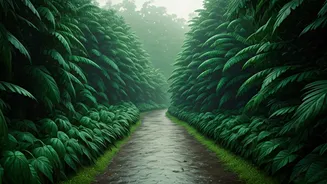
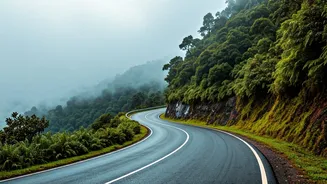
What does a powerful monsoon actually look like on the ground in Munnar? It’s less about torrential downpours and more about a constant, magical interplay of light, water, and earth. Mornings often begin with the valleys completely filled with thick white fog, making the peaks look like islands floating in a sea of clouds. As the sun attempts to break through, the mist begins to dance and shift, revealing and then concealing sections of the tea gardens. The air is cool, clean, and heavy with the scent of wet earth and fresh tea leaves. For photographers and nature lovers, this is paradise. The diffused light is perfect for capturing the subtle textures of the landscape, and the ever-changing cloudscape means the view is never the same for more than a few minutes.
Waterfalls and Wildlife Reawakened
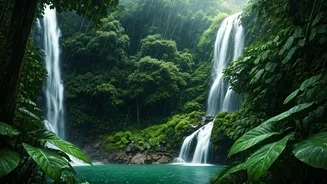
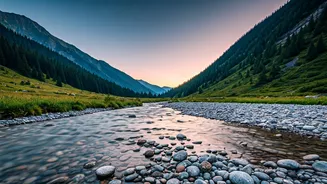
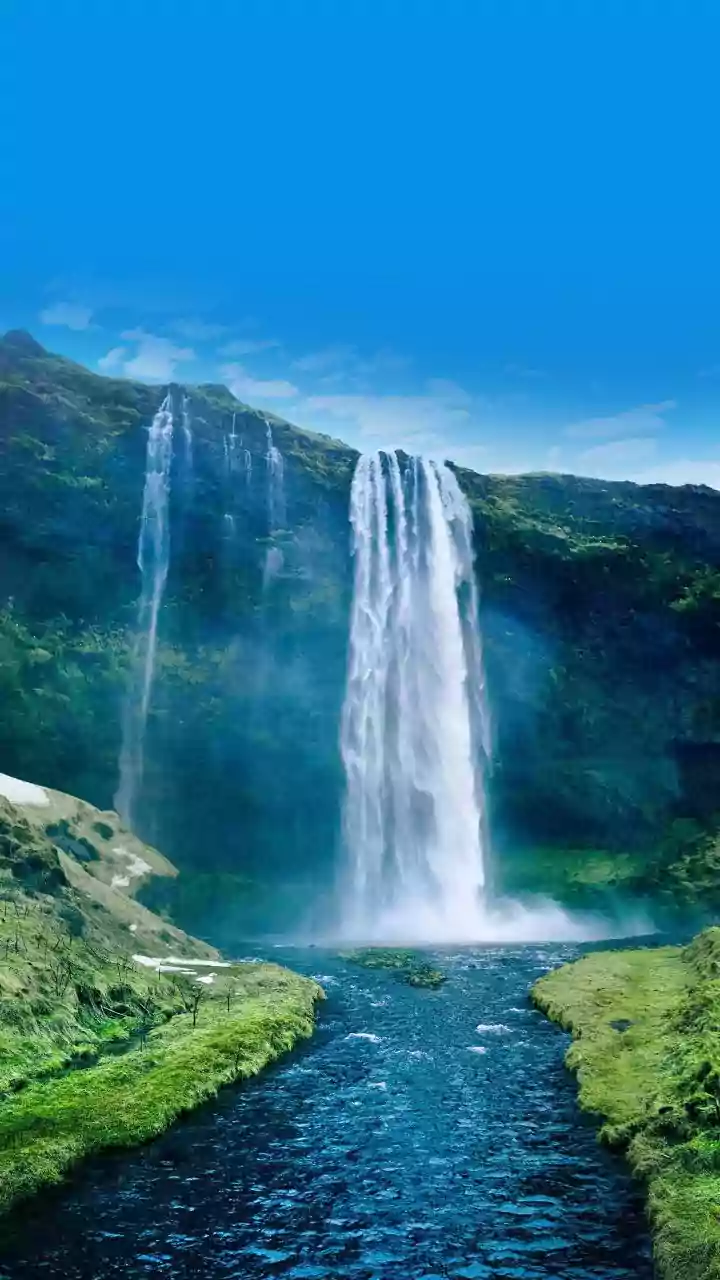
The monsoon's impact extends far beyond the tea plantations. Across the region, dormant waterfalls roar back to life, cascading down rocky cliffs in spectacular displays. Streams that were mere trickles a few months prior become rushing, vibrant waterways. The rains replenish the entire ecosystem. This abundance of water draws out local wildlife, and it’s a prime time to spot the Nilgiri Tahr, an endangered mountain goat endemic to this region, grazing on the lush grasses. The season transforms a visit to Munnar from a simple sightseeing trip into an immersive experience of a landscape in its most powerful and dynamic state. It’s a time when nature isn’t just a backdrop; it’s the main event, performing with full force.