



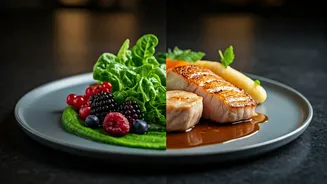


The Gut Health Gold Rush
First, it was probiotics in yogurt. Then came the kombucha craze and a fascination with fermented foods like kimchi and kefir. The common thread? A massive cultural shift toward prioritizing gut health. We now know that the trillions of microbes living
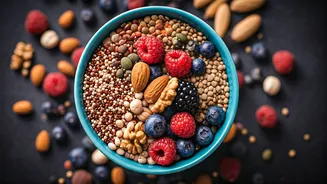
in our digestive tract—collectively known as the gut microbiome—play a crucial role in everything from digestion and immunity to mood and overall well-being. This awareness has sent consumers on a quest for foods that feed the “good” bacteria. It’s no longer just about avoiding “bad” foods; it's about actively consuming ingredients that nourish our internal ecosystem. This hunt for gut-friendly fuel has created the perfect stage for nutrient-dense, fiber-rich foods to become superstars.
Meet the Fava Bean
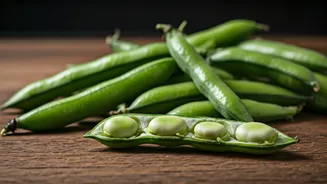
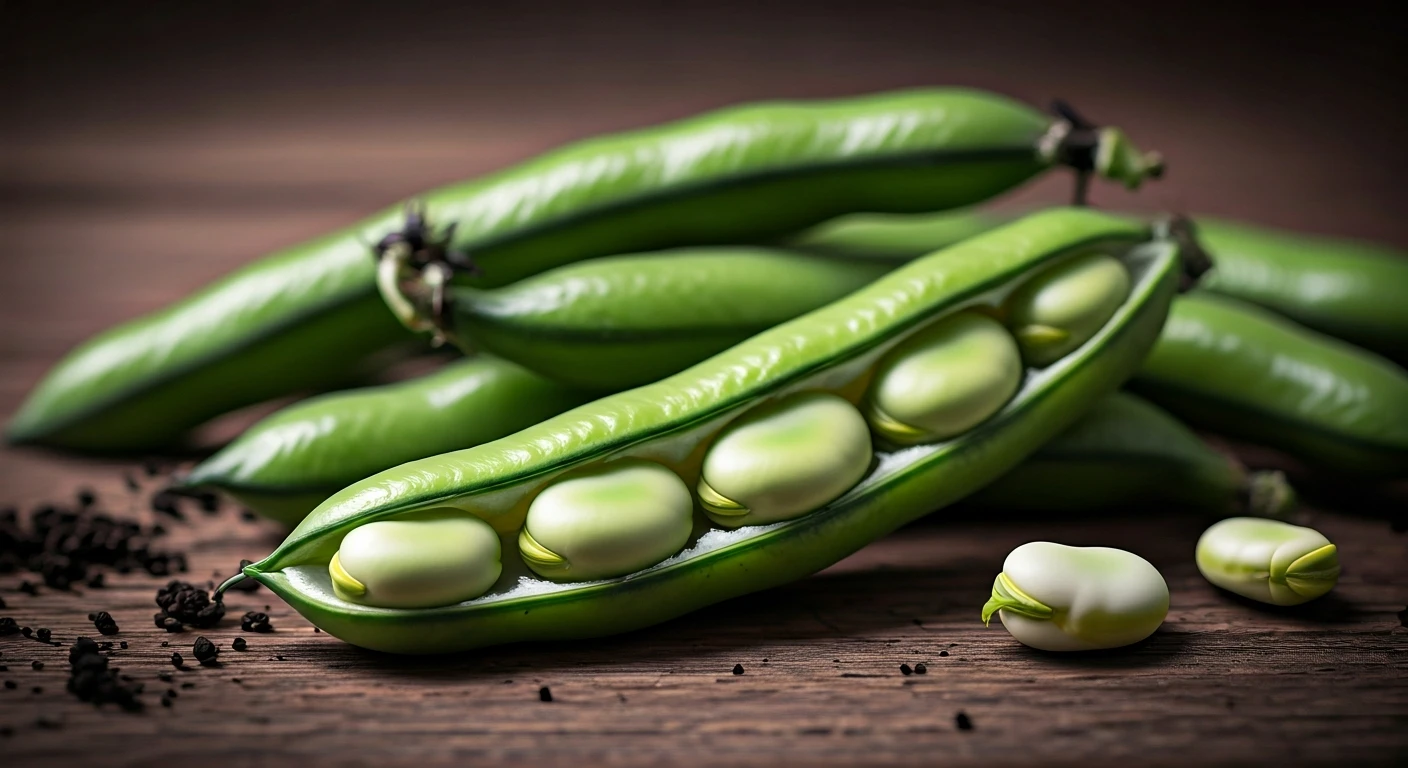
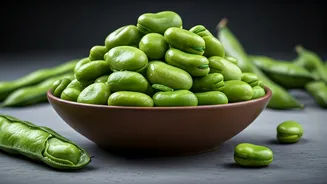
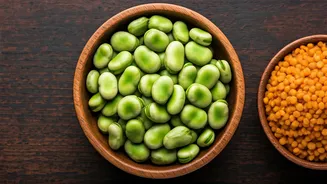
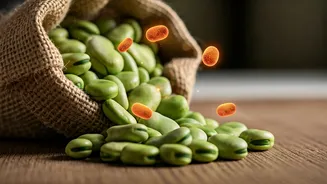
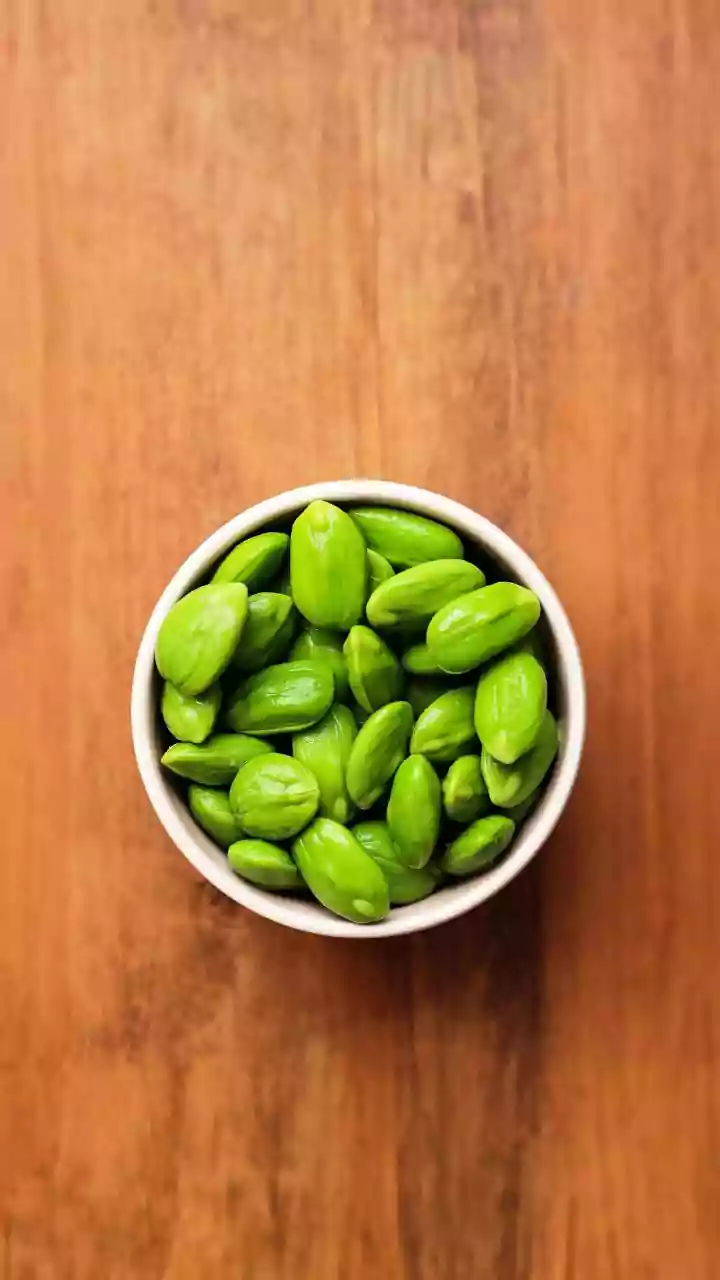
Often overshadowed by chickpeas and lentils, the fava bean (or broad bean) is one of the oldest domesticated food crops on earth. With a history stretching back thousands of years in the Mediterranean and Middle East, it has been a staple food for civilizations long before modern wellness trends. So why the sudden buzz? While it might be known to some Americans primarily through a throwaway line in a classic thriller, the fava bean’s nutritional profile makes it uniquely suited for this moment. It’s a dense, meaty, and slightly sweet legume that’s incredibly versatile. But its true power lies in its gut-centric credentials, which food scientists and health experts are now championing.
A Prebiotic and Fiber Powerhouse
The primary reason fava beans are capturing the attention of the health-conscious is their remarkable fiber content. A single cup of cooked fava beans can provide about a third of the daily recommended fiber intake. This fiber isn't just for regularity; much of it is soluble fiber, which acts as a prebiotic. Think of prebiotics as fertilizer for the beneficial bacteria in your gut. They pass through the digestive system undigested until they reach the colon, where they become a food source for probiotics like Bifidobacteria and Lactobacilli. A well-fed microbiome is a diverse and resilient one, which is the ultimate goal of any gut-healthy diet. By providing this essential fuel, fava beans directly support the foundation of a healthy digestive system.
More Than Just Gut Benefits
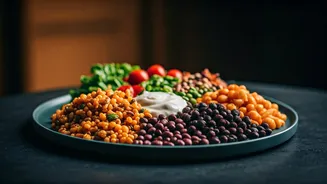
While gut health is driving its current popularity, the fava bean’s appeal is much broader. It’s also a fantastic source of plant-based protein, making it a valuable ingredient for vegetarians, vegans, and anyone looking to reduce their meat consumption. Unlike some other plant proteins, fava beans are being increasingly used to create high-protein flours, pastas, and even non-dairy milks that boast a smooth texture and neutral flavor. Furthermore, they are rich in essential micronutrients like folate, manganese, copper, and iron. This combination of fiber, protein, and micronutrients makes the fava bean a nutritional triple threat, appealing to consumers who want their food to work harder for their health.
The Road to a 2026 Breakout
The “2026 boost” isn’t just wishful thinking; it’s based on clear industry trends. Food manufacturers are scrambling to meet consumer demand for functional, plant-based, and sustainable ingredients. Fava beans check all three boxes. They are a resilient crop that fixes nitrogen in the soil, making them an environmentally friendly choice. Innovators are already using fava bean protein to improve the texture of plant-based meats and the protein content of gluten-free snacks. Market analysts project that as this technology scales, fava beans will move from a niche health food item to a mainstream ingredient found in everything from protein bars to dairy alternatives. This projected timeline sees the next couple of years as a period of rapid development, culminating in widespread availability and consumer recognition by 2026.