



The Potluck Pantry Invasion
It’s a strange but undeniable phenomenon. Foods once relegated to the back of the fridge or the dusty shelves of memory are suddenly starring in viral TikToks and Instagram Reels. The primary culprits? Cottage cheese and gelatin. For decades, cottage
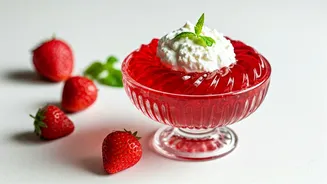
cheese was the quintessential “diet food” of the 1970s and ‘80s, often served with a sad ring of canned pineapple. Gelatin salads, shimmering with suspended bits of fruit (or sometimes, horrifyingly, vegetables), were mainstays of mid-century potlucks. Today, these humble ingredients are being treated like newfound superfoods. Influencers are blending cottage cheese with cocoa powder to make “healthy ice cream,” whipping it into fluffy dips, and spreading it on toast as a high-protein alternative to cream cheese. Meanwhile, gelatin powders are being mixed into vibrant, sugar-free “gummies” and praised for their collagen and protein content, a far cry from the wobbly, often artificially-flavored Jell-O molds of yore.
From Retro Relic to Protein Hack
The secret to this resurgence lies in a simple rebranding. These foods aren't being celebrated for their nostalgic charm; they're being marketed with the vocabulary of modern wellness. The conversation isn't about flavor or tradition, but about macros. Cottage cheese is no longer a bland diet plate staple; it's a “protein-packed” and “gut-friendly” base for countless recipes. A single cup can boast over 25 grams of protein, making it an efficient and affordable tool for hitting fitness goals. Similarly, unflavored gelatin is being framed as a “collagen supplement” for healthier hair, skin, and nails. By stripping these foods of their old-school context and focusing solely on their nutritional stats, content creators have successfully repositioned them as “hacks” for a health-conscious generation that values efficiency and quantifiable results over all else.
The Powerful Pull of Nostalgia
But it’s not just about the protein. The timing of this trend is key. In an era of economic uncertainty and digital overload, there's a powerful cultural pull toward things that feel simple, familiar, and authentic. These foods, while being presented in a modern way, still tap into a deep well of American nostalgia. They evoke a sense of thriftiness and resourcefulness from a bygone era. Using a simple tub of cottage cheese or a packet of gelatin feels more grounded and less pretentious than buying expensive, pre-packaged protein bars or wellness powders. It’s a way for people to participate in health trends without feeling like they’re buying into the slick, over-marketed wellness industry. It’s the perfect marriage: the comforting familiarity of the past combined with the aspirational promise of modern health science.
A Spoonful of Diet Culture
While there's nothing wrong with enjoying cottage cheese, the trend highlights a persistent and sometimes troubling aspect of our food culture. The relentless drive to “healthify” everything can feel exhausting. Must every food be a “hack”? Does every meal need to be optimized for maximum protein and minimum calories? The cottage cheese and gelatin boom shows how easily diet culture can co-opt and reframe any food, even our most cherished comfort foods, through the narrow lens of nutritional data. It’s a reminder that while the specific ingredients may change—from kale smoothies a decade ago to cottage cheese bowls today—the underlying obsession with finding the “perfect” food to achieve a certain body type or health status remains. The joy of eating something simply because it’s delicious or because it reminds you of your grandmother can get lost in the noise of macros and optimization.