







An Oasis Beyond the Tourist Trail
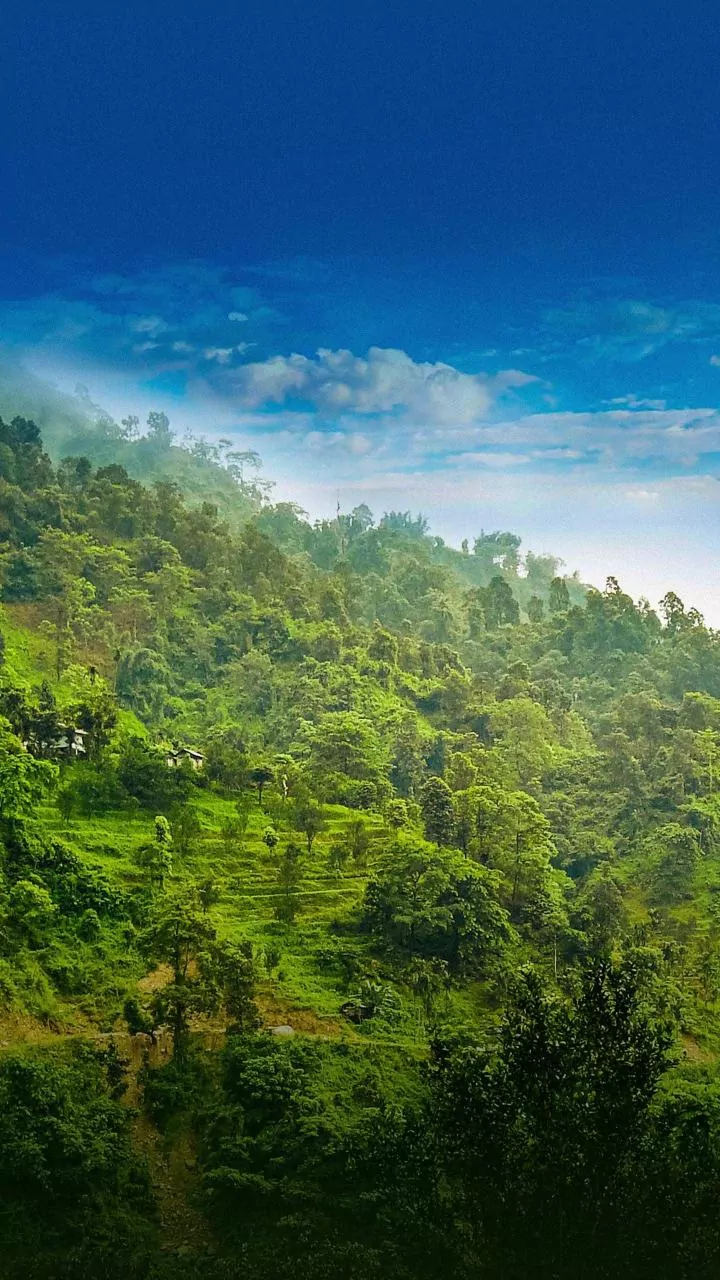
When Americans dream of India, they often picture the magnificent chaos of Delhi or the iconic silhouette of the Taj Mahal. But nestled in the green hills of Mount Abu, Rajasthan’s only hill station, lies a different kind of marvel. The Dilwara Temples
are a complex of five Jain temples built between the 11th and 13th centuries, a period when artisans in this part of the world achieved an almost supernatural mastery over marble. While not exactly a secret, Dilwara exists just outside the frantic pace of India’s primary tourist circuit. The experience here is less about ticking a box and more about quiet immersion. The journey to Mount Abu itself, a winding ascent through the Aravalli Range, feels like a deliberate retreat from the clamor of the plains below, setting the stage for the tranquility you'll find at the top.
A Symphony Carved in Marble
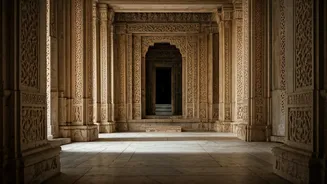
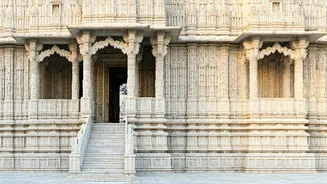
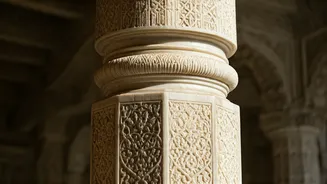
Calling the Dilwara Temples 'beautiful' is a profound understatement. Stepping inside is like entering another dimension where stone behaves like lace. Every surface—from pillars and doorways to ceilings and archways—is covered in astonishingly intricate carvings. The most famous of the five temples, the Vimal Vasahi and the Luna Vasahi, are masterpieces of the Māru-Gurjara style of architecture. In the Vimal Vasahi, a central dome cascades down in 11 concentric rings, each layer populated with exquisitely carved figures of dancers, musicians, elephants, and horses. The Luna Vasahi is renowned for its central pendant in the main dome, a marble lotus so delicately chiseled it appears translucent, almost weightless. The sheer density of detail is staggering. It’s said that the artisans were paid according to the amount of marble dust they collected, incentivizing them to carve ever more finely. The result is a testament to human devotion and patience that modern machinery could scarcely replicate.
Where Art Meets a Spirit of Peace
The temples aren't just an architectural wonder; they are active places of worship for followers of Jainism, one of the world's oldest religions, founded on a principle of absolute non-violence (ahimsa). This spiritual foundation permeates the entire site. The quiet reverence of the pilgrims and the serene atmosphere contribute directly to the “without the rush” experience. Unlike many hyper-popular global landmarks where you feel pressure to move along, Dilwara encourages contemplation. The visitor flow is managed to maintain this sense of peace. You’ll be asked to remove your shoes and any leather items before entering, a small act of respect that shifts your mindset from tourist to guest. Photography is often restricted inside the main temples to preserve the sacred atmosphere, a rule that, while disappointing for some, ultimately enhances the experience by forcing you to be present and simply look.
How to Plan Your Visit
Getting the most out of a trip to Dilwara requires a bit of planning. The temples are open to Jain pilgrims in the morning and to the general public, including tourists, typically from 12 PM to 5 PM. Arriving right at noon can help you beat the slight afternoon increase in visitors. Wear modest clothing that covers your shoulders and knees. As a functioning religious site, respect is paramount. While you can wander freely, consider hiring a local guide. They can illuminate the stories and symbolism hidden within the carvings—the mythological tales, the lives of the Tirthankaras (Jainism's spiritual teachers), and the history of the families who sponsored this incredible undertaking. The town of Mount Abu serves as a pleasant base, offering a cool respite and a range of accommodations. For the American traveler looking to add a layer of profound artistry and calm to their Indian itinerary, Dilwara is more than a detour; it’s a destination in its own right.