

What 'Eating Seasonally' Really Means
The term “eating seasonally” can sound restrictive, like another food rule to follow. In reality, it’s the opposite. It’s an invitation to align your diet with the natural rhythms of the year, focusing on fruits and vegetables that are being harvested
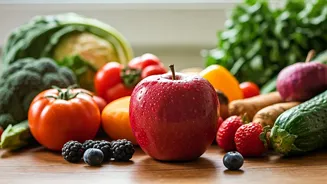
in your region at their peak. It’s not about deprivation; it’s about abundance. It means swapping out pale, hard winter tomatoes for vibrant, sun-ripened ones in August, and trading summer zucchini for hearty butternut squash as the weather cools. By choosing produce that is naturally ready for harvest, you’re getting food as it’s meant to be enjoyed—fresh, flavorful, and full of life.
The Flavor-First Argument
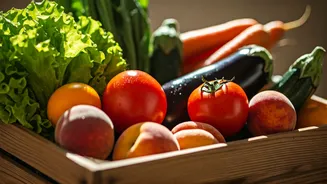
The most compelling reason to eat seasonally has nothing to do with virtue and everything to do with taste. Produce that is picked in its prime, after ripening naturally on the vine or in the ground, simply tastes better. It has had the time to develop the complex sugars and aromatic compounds that make it delicious. Compare a locally grown July peach, dripping with juice, to one that was picked green in another hemisphere, refrigerated for weeks, and shipped across the world. The latter is a marvel of logistics but a failure of flavor. Out-of-season produce is often harvested prematurely to withstand long-distance travel, and it never develops the full depth of taste and texture that its seasonal counterpart boasts. When you eat with the seasons, your taste buds are the first to thank you.
Better for Your Wallet and Your Health
Following the seasons can also have a surprisingly positive impact on your grocery budget. The basic law of supply and demand means that when a fruit or vegetable is in season, it’s abundant, and therefore cheaper. A pint of raspberries in July costs a fraction of what it does in January. By building your meals around what’s plentiful, you naturally cut down on food costs. Furthermore, seasonal produce is often more nutritionally dense. Vitamins and antioxidants, particularly fragile ones like Vitamin C, degrade over time. Produce that spends weeks in transit and storage has a lower nutritional value than produce that goes from a local farm to your table in a matter of days. Eating seasonally means you’re getting more flavor, more nutrients, and more value for your money.
The Sustainability Connection
This is where taste and responsibility beautifully intersect. The modern food system allows us to have grapes in February and pumpkins in May, but it comes at a significant environmental cost. Growing produce out-of-season often requires energy-intensive greenhouses that need heating and artificial lighting. Transporting that food across the country or the globe—what’s known as “food miles”—burns fossil fuels and contributes to carbon emissions. By choosing food that is grown closer to home and in its natural season, you are inherently opting out of this high-impact system. You are supporting a more sustainable model of agriculture that works with nature, not against it, reducing the overall carbon footprint of your plate.
Simple Ways to Get Started
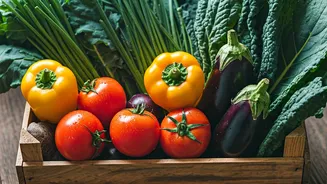
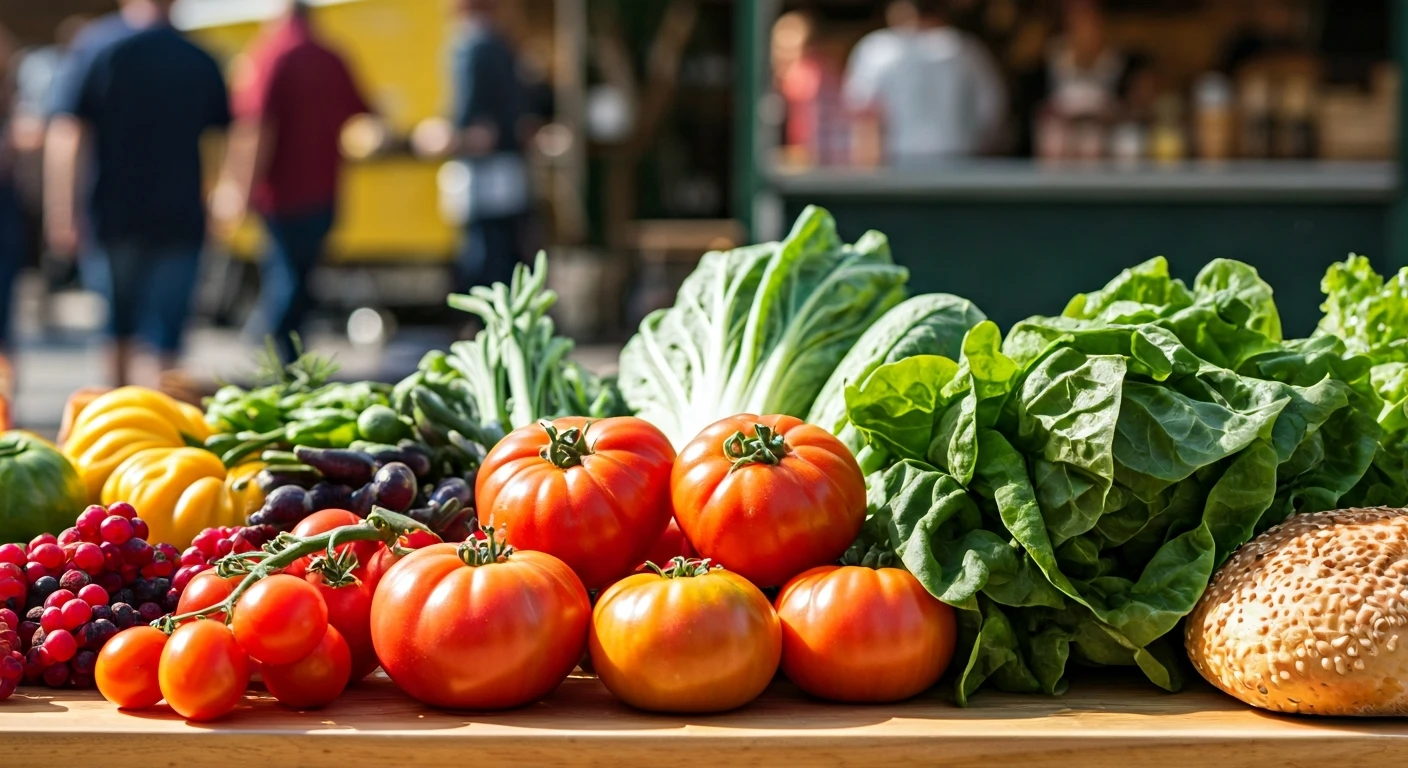
Embracing seasonal eating doesn’t require a complete overhaul of your life. It can start small. The easiest first step is to visit a local farmers market. Talk to the growers, see what they are excited about, and buy what looks best. Another option is to join a Community Supported Agriculture (CSA) program, where you receive a weekly box of produce from a local farm. Even at the supermarket, you can make a difference. Look for produce that is labeled with its state of origin and pay attention to what’s on sale and piled high—it’s almost always what’s in season. Challenge yourself to try one new seasonal vegetable each week. It’s a low-pressure way to explore new flavors and expand your culinary horizons.