
Welcome to the Western Ghats
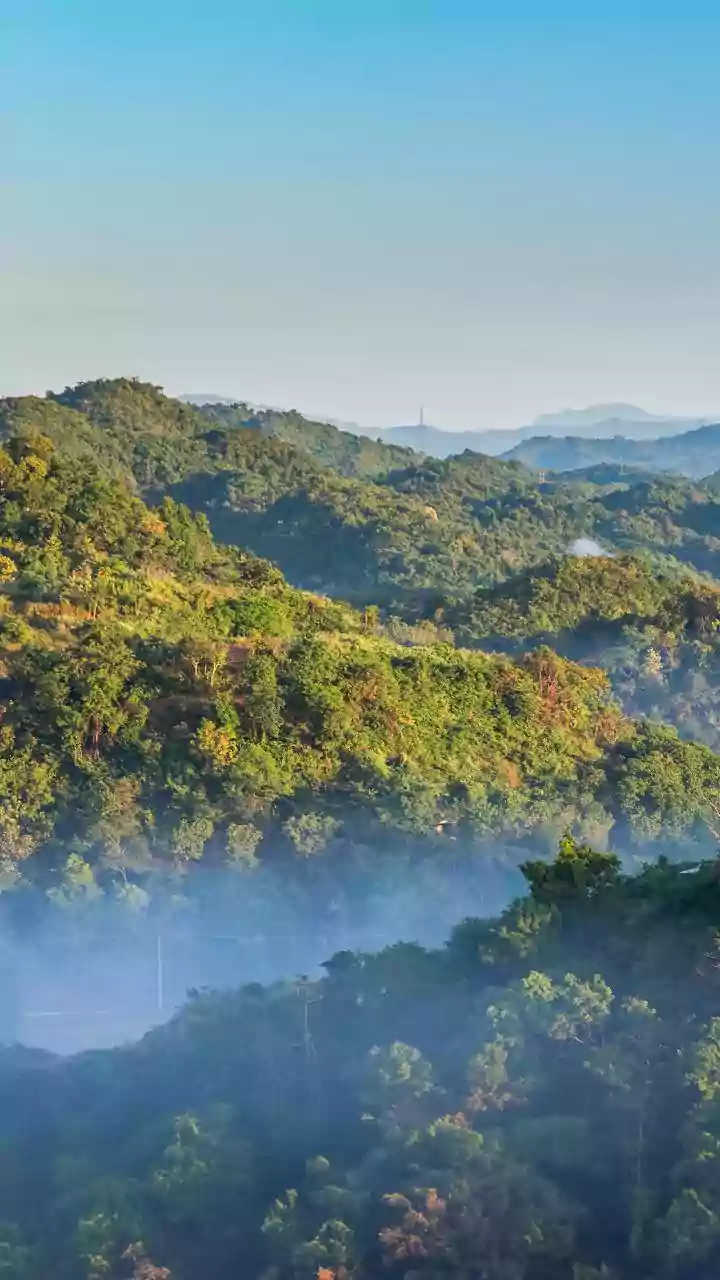
For most Americans, the Western Ghats might not ring a bell, but this chain of mountains running parallel to India’s western coast is a global treasure. Older than the Himalayas, this UNESCO World Heritage site is a sprawling expanse of forests, waterfalls,
and plantations stretching through states like Kerala, Karnataka, and Goa. It’s one of the world's most important biodiversity hotspots, home to thousands of species of plants and animals, many found nowhere else on Earth. But beyond its ecological significance, the region offers a different kind of travel—one that’s slower, more intimate, and deeply connected to the rhythm of nature.
The Allure of the Monsoon
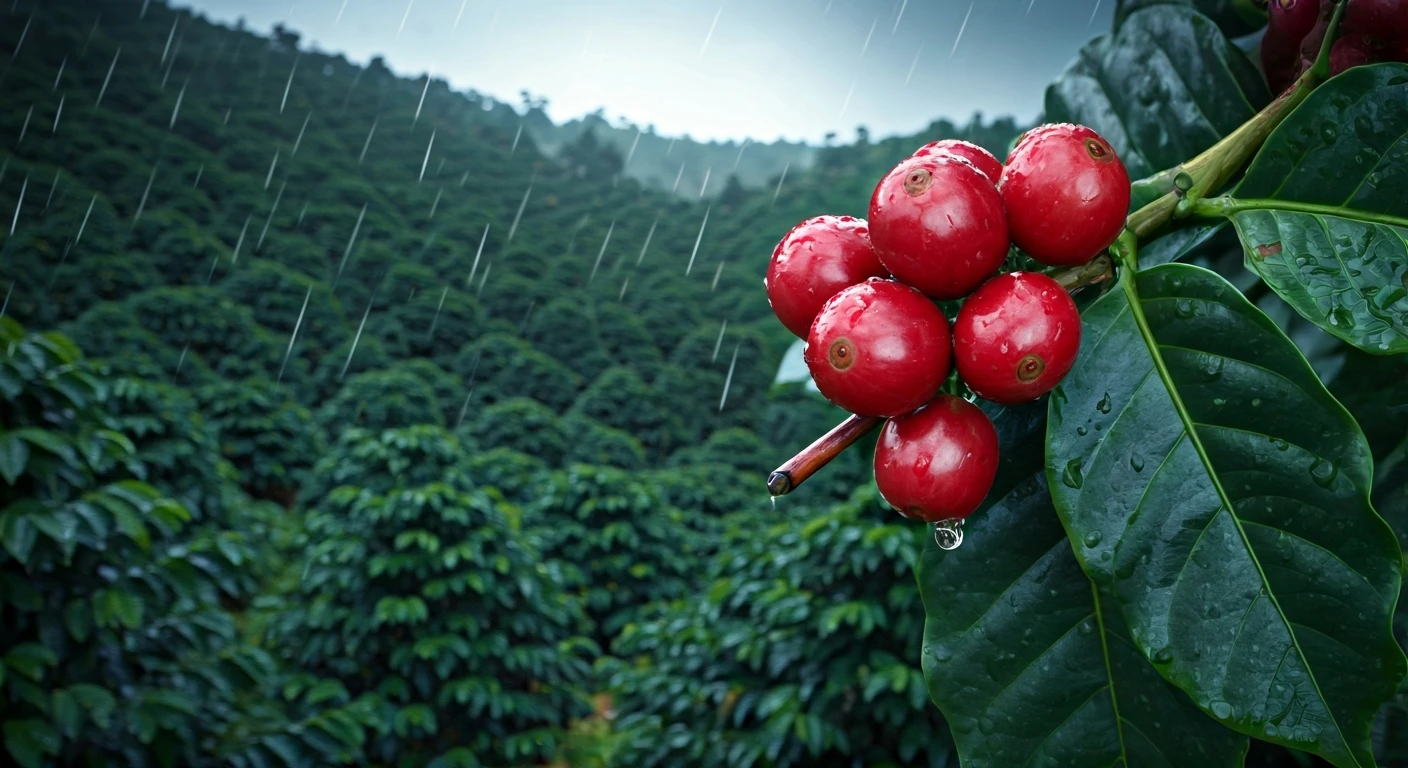
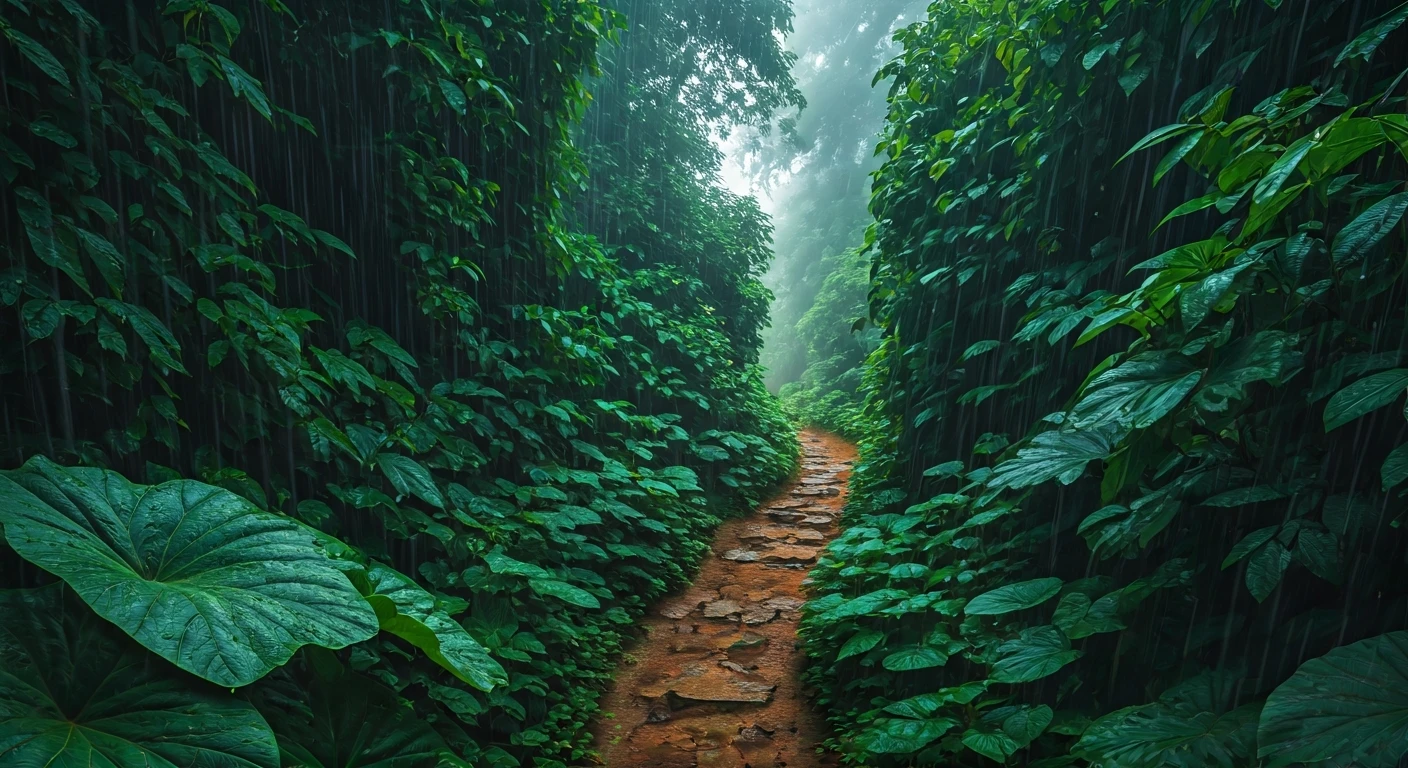
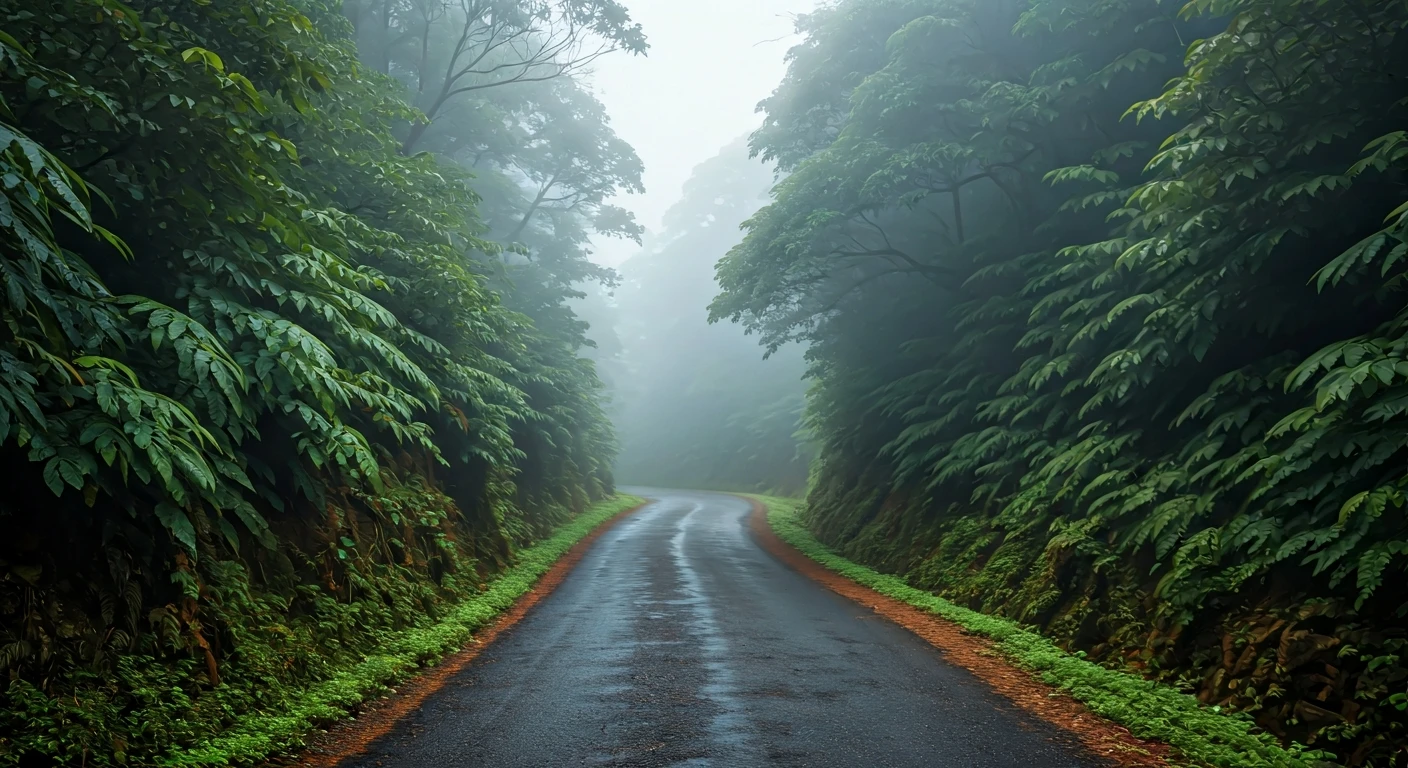
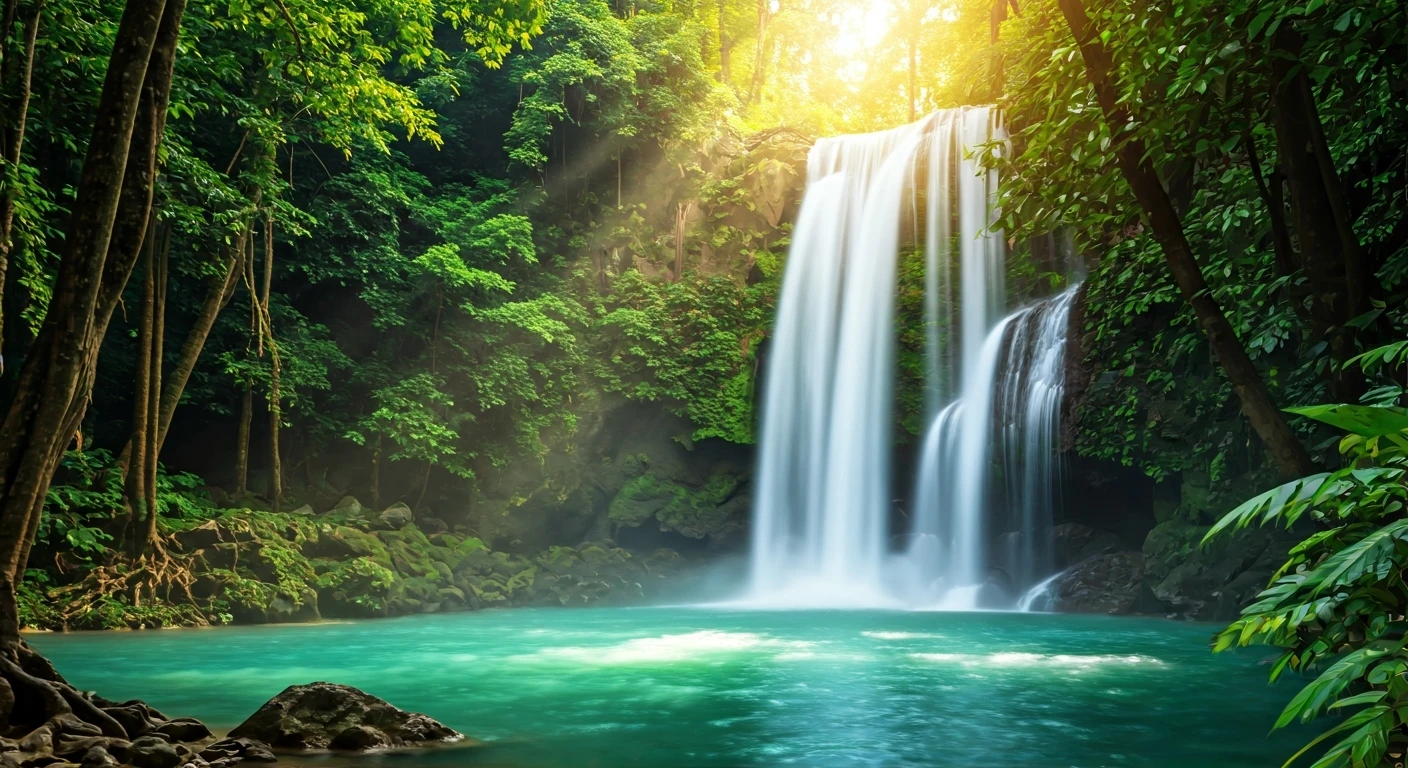
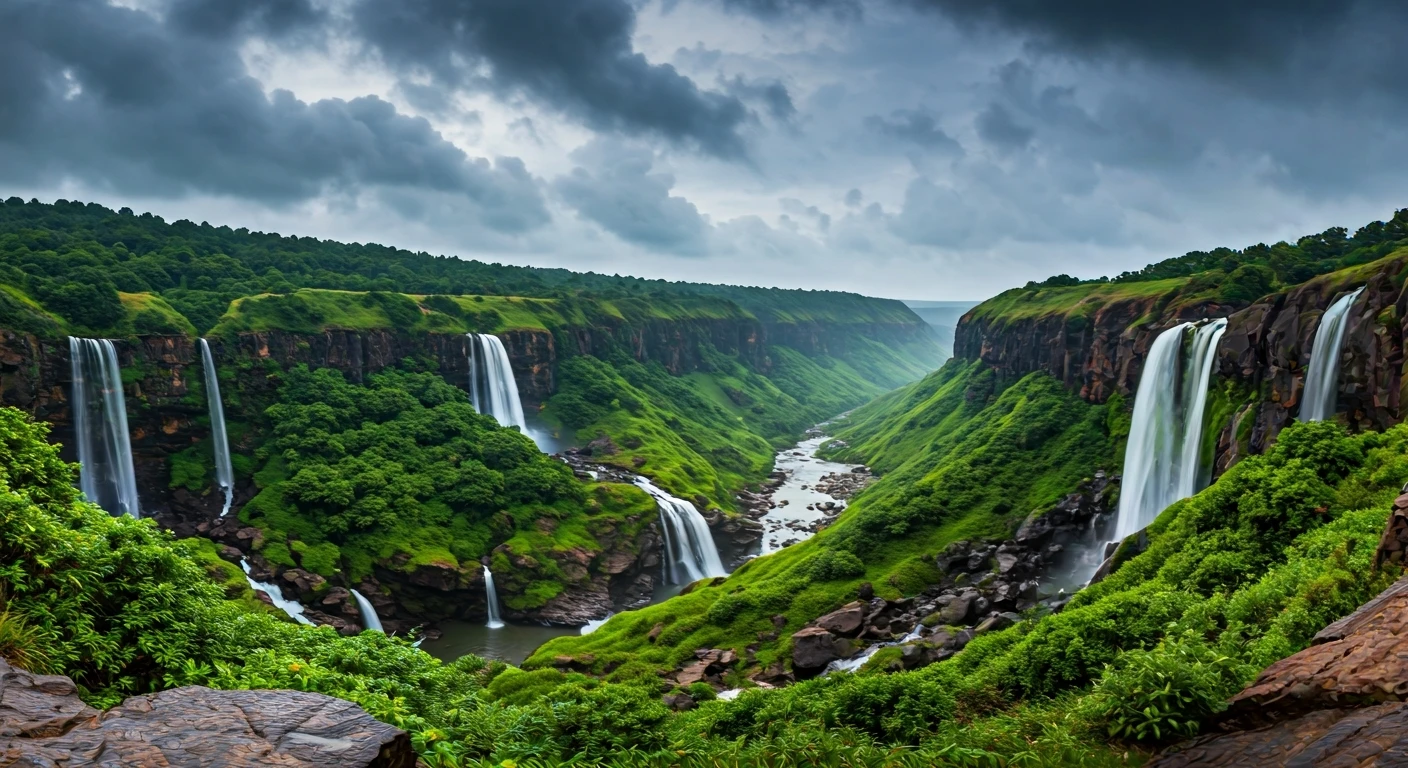
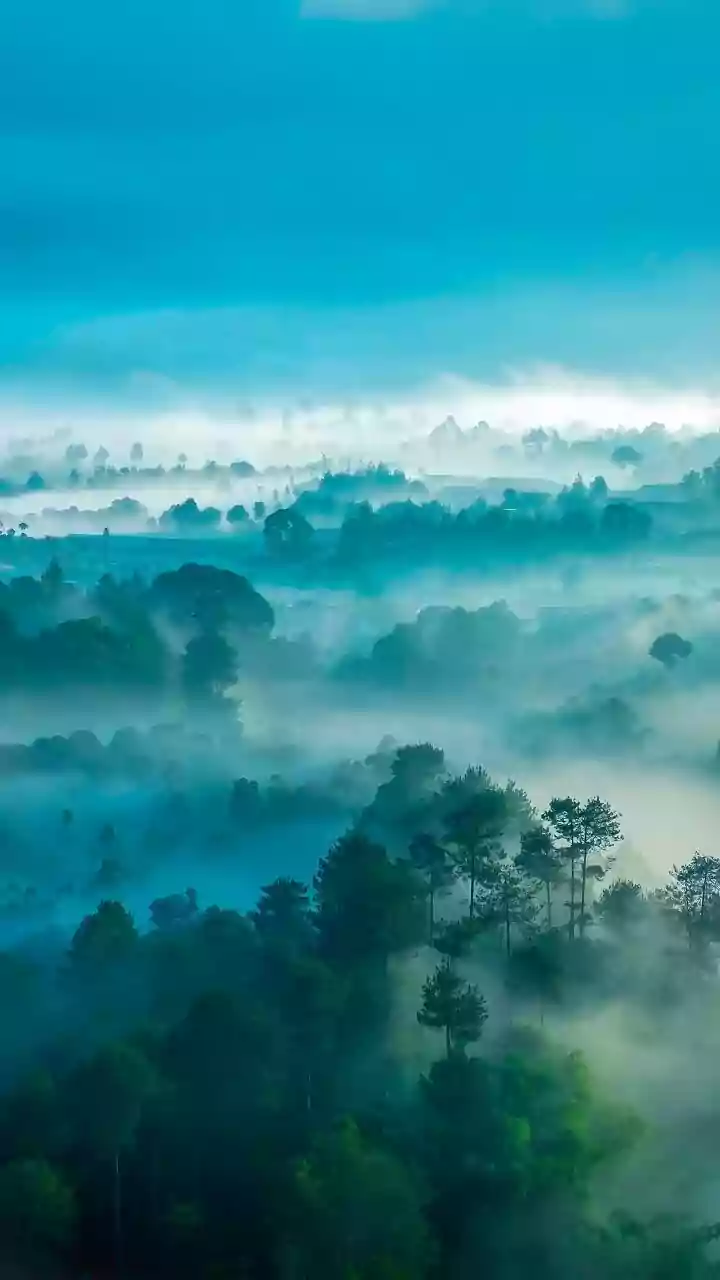
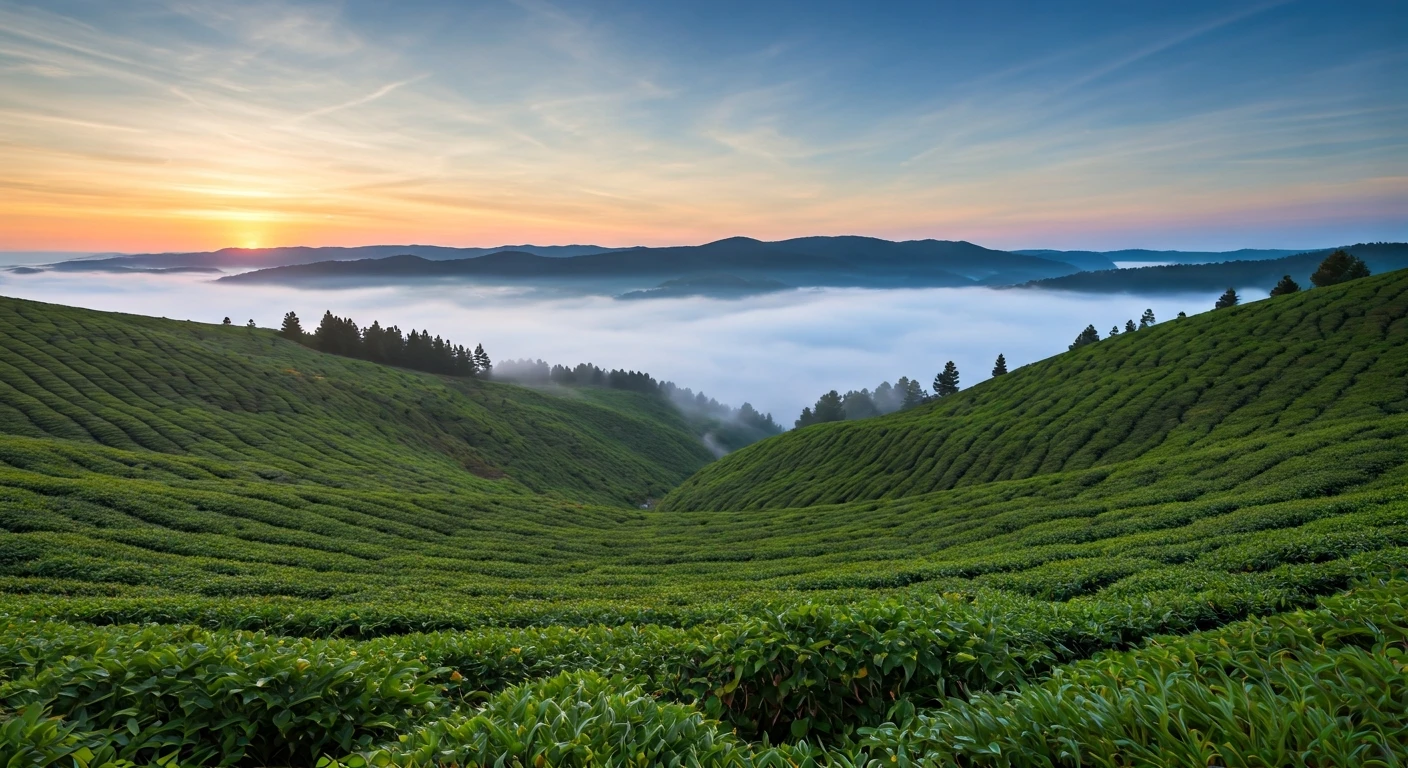
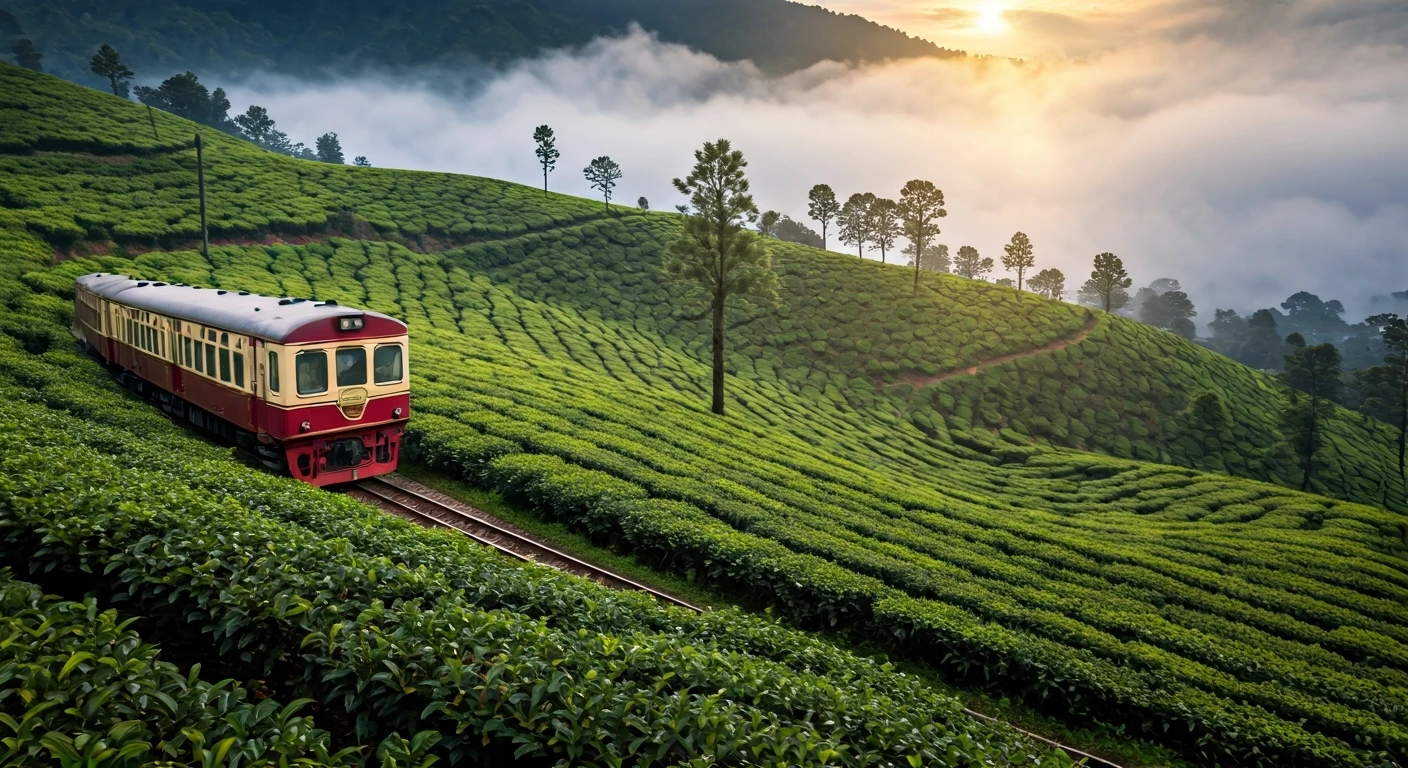
In most travel guides, rain is the enemy—a forecast to be avoided. But in the Western Ghats, the monsoon season (roughly June through September) is the main attraction. This isn't a dreary, day-long drizzle. It’s a dramatic, life-giving force that transforms the entire landscape. Dry, dusty hills erupt into a riot of impossible greens. Waterfalls that were mere trickles roar back to life, carving new paths down mountainsides. The air becomes heavy with the smell of wet earth and blooming flowers. Low-hanging clouds drift through valleys and wrap around homes, creating a mystical, almost dreamlike atmosphere. This weather doesn’t ruin the view; it becomes the view.
Why a Homestay Beats a Hotel
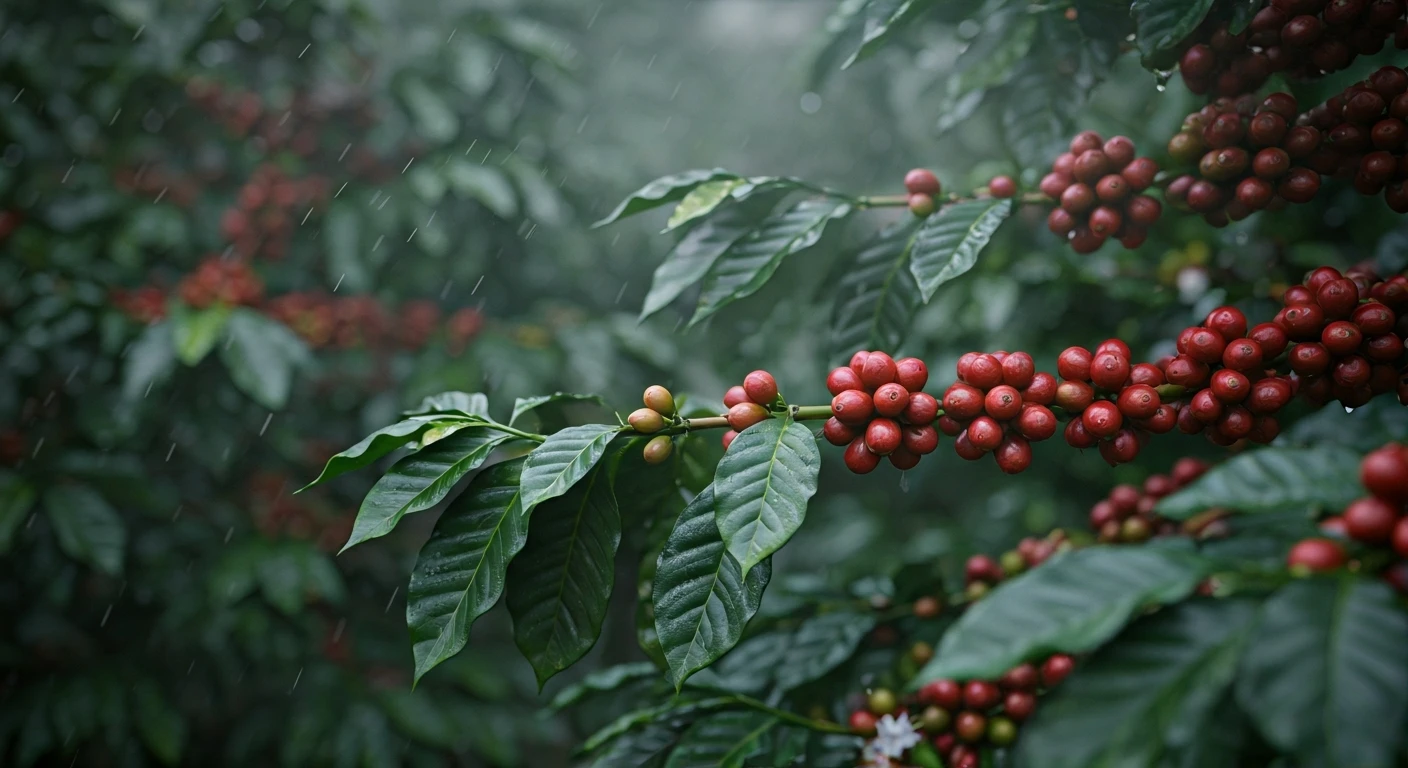
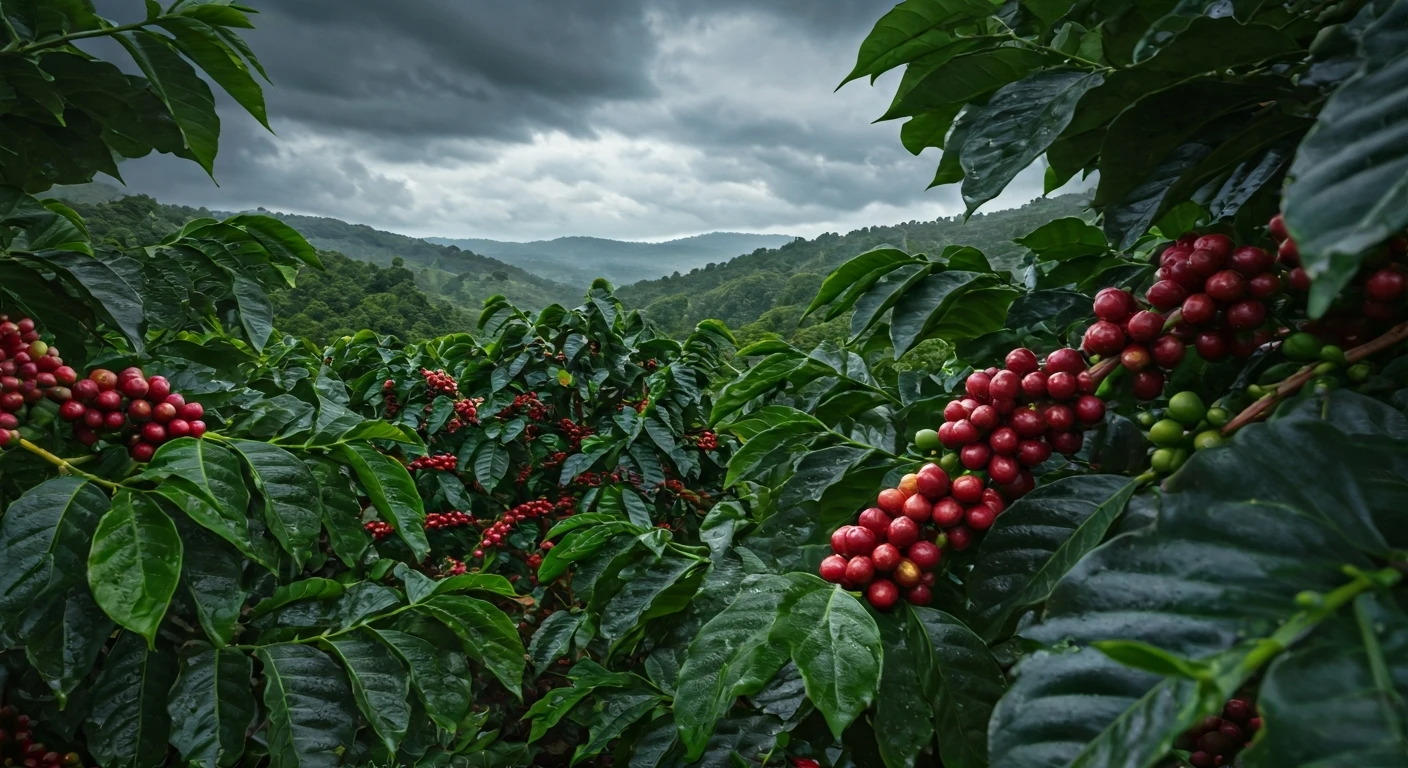
This is where the homestay comes in. While you could book a room at a resort, you’d miss the very essence of the experience. A homestay in the Ghats isn’t just a spare bedroom; it's an invitation into a local family’s life. Many are set on sprawling family-owned coffee, tea, or spice plantations. Instead of a continental breakfast buffet, you get authentic, home-cooked meals—often made with ingredients grown just steps from your door. Your hosts don’t just hand you a key; they share stories, offer tips on secret trails, and point out the best spot on the veranda to watch the rain. It’s a chance to unplug from the anonymity of modern travel and forge a genuine connection with the place and its people.
A Day in the Life
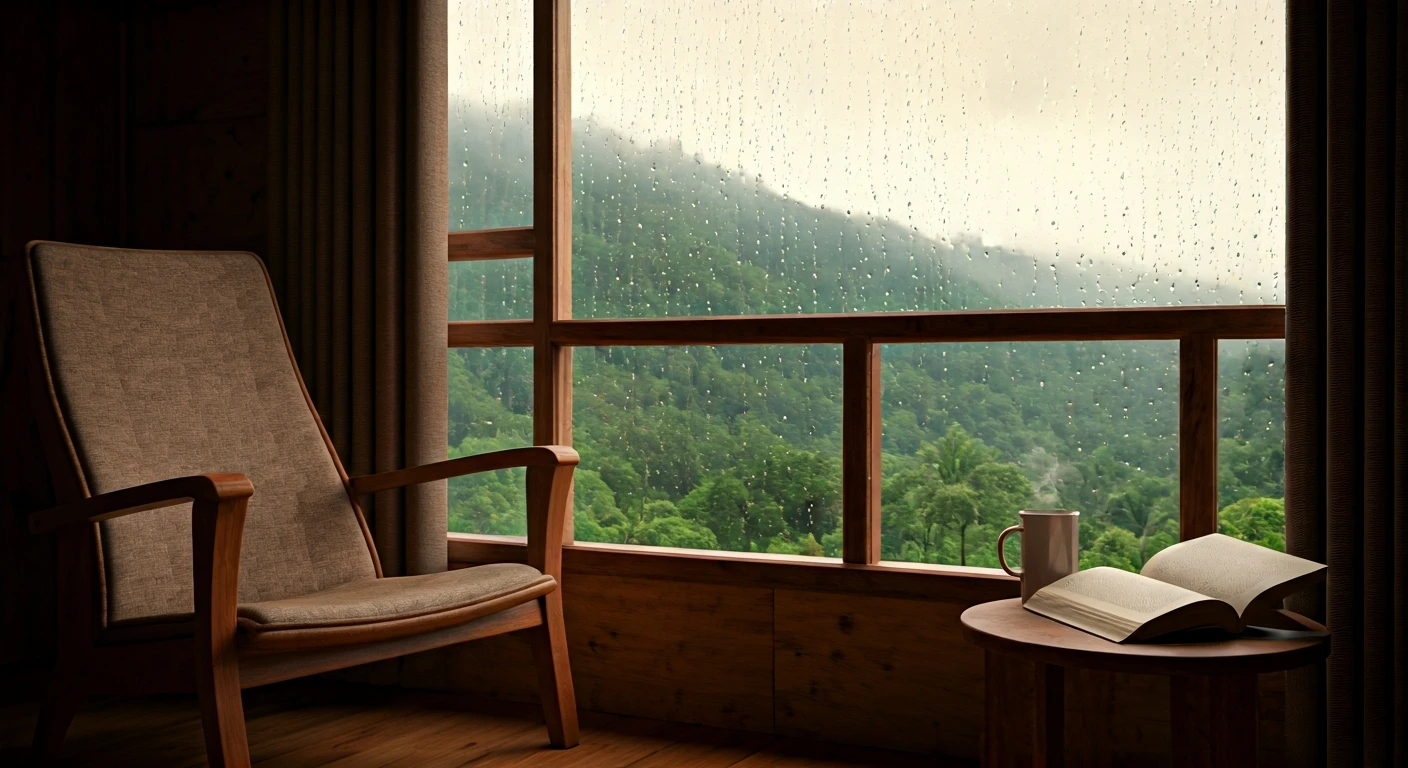
Picture this: you wake up not to an alarm, but to the sound of a Malabar whistling thrush outside your window. You step onto a porch overlooking a valley blanketed in fog. A cup of strong, fragrant coffee—grown, roasted, and brewed on the estate—warms your hands. The morning might involve a guided walk through the plantation, learning to distinguish a cardamom plant from a pepper vine. The afternoon is for surrendering to the coziness. As the sky darkens and the rain begins to fall in earnest, you curl up with a book and a pot of chai, with no pressure to be anywhere or do anything. It’s a blissful inactivity, a permission to simply exist and observe.
Getting Your Monsoon Escape Right
The key to this kind of trip is embracing the mindset. This is not for travelers who need a packed itinerary. It’s for those seeking quiet, restoration, and immersion. Popular areas for this experience include Coorg and Chikmagalur in Karnataka, or Wayanad in Kerala. Booking is essential, as the best homestays are small and fill up quickly. Pack waterproof layers, sturdy shoes for muddy walks, and a healthy supply of books. Most importantly, be prepared for intermittent power outages and spotty Wi-Fi. Here, a lost signal isn’t a problem; it’s part of the charm, forcing you to disconnect from the digital world and reconnect with the one right in front of you.