



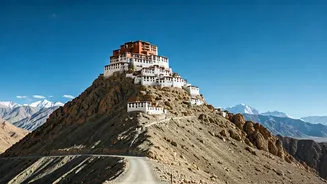
A Sanctuary Above the World
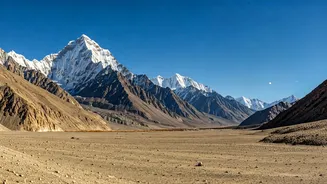
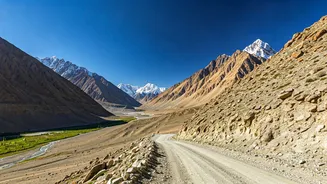
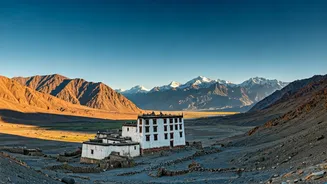
Getting to Hemis is part of the experience. Located about 25 miles from Leh, the capital of Ladakh, the monastery is tucked away in a deep, verdant gorge, invisible from the main road. The journey itself is a slow reveal. You leave the arid plains and
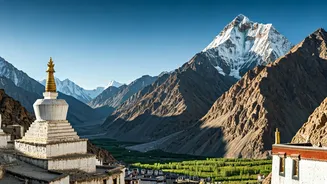
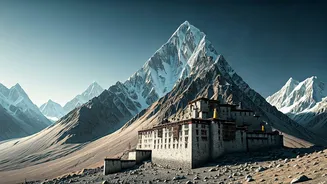
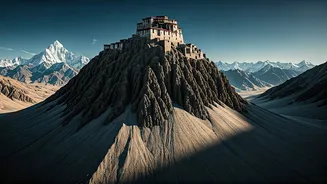
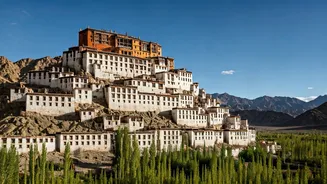
enter a surprisingly lush valley carved by a tributary of the Indus River. The monastery complex suddenly appears, a brilliant splash of white, gold, and maroon against the rugged, dun-colored mountains. Unlike many monasteries perched dramatically on hilltops, Hemis feels protected, almost secret. This sense of seclusion is intentional. Founded in the 17th century under the patronage of Ladakhi king Sengge Namgyal, it was built to be a bastion of the Drukpa Kagyu lineage of Tibetan Buddhism, a place of learning and refuge far from the region's political turmoil.
A Living Link to History
While many ancient sites feel like museums, Hemis is vibrantly alive. It serves as the main seat of the Drukpa lineage in the Himalayas, a school of thought that traces its roots back to the 12th century. This isn't just history preserved in amber; it's a continuous, unbroken tradition. As you walk through its courtyards, you'll see young monks in training, their chants echoing from prayer halls, their crimson robes a striking contrast to the whitewashed walls. The monastery houses an incredible collection of artifacts, including a library of rare Tibetan texts, exquisite gold statues, and sacred thangkas (painted scrolls). The on-site museum offers a curated glimpse into this treasure trove, providing context that transforms the beautiful art from mere decoration into profound spiritual tools.
The Heartbeat of Hemis: The Festival
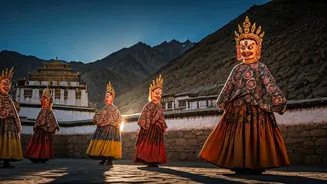
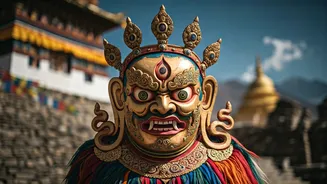
For many, the ultimate Hemis experience is its famous annual festival. Held in the fifth month of the Tibetan lunar calendar, typically in June or July, the Hemis Festival honors the birth of Guru Padmasambhava, the 8th-century master credited with bringing Buddhism to Tibet. Over two days, the monastery's main courtyard explodes with color, music, and sacred drama. Monks don elaborate, fearsome masks and intricate silk costumes to perform the ‘chaam,’ a series of ritualized dances. These aren’t performances for entertainment; they are a form of meditation, a spiritual practice meant to subdue evil spirits and bring blessings. The climax is the portrayal of the victory of good over evil, a powerful spectacle set to the deep resonance of long horns, cymbals, and drums. Every 12 years, the festival becomes even more spectacular with the unfurling of a gigantic thangka of Guru Padmasambhava, an event that draws pilgrims from across the Himalayan world.
Beyond the Spectacle
But the true essence of Hemis isn't confined to its festival. To visit outside of that crowded time is to find a different kind of magic. It’s in the quiet hum of the prayer wheels spun by elderly pilgrims, the smell of juniper incense mingling with the crisp mountain air, and the intricate details of the murals covering the walls of the main prayer hall. This is where the “culture explorer” finds their reward. It’s the opportunity to sit, observe, and feel the deep peace of a place that has been a center of spiritual energy for centuries. You can witness the daily rhythms of monastic life, a world away from the pressures of modernity, and understand that Hemis is not just preserving its culture—it is actively living it, day in and day out.