




The Rise of Kitchen Counter 'Science'
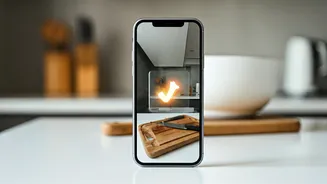
Scroll through TikTok or Instagram Reels long enough, and you’ll find them: videos of everyday people conducting dramatic “tests” on food from their own kitchens. They set fire to American cheese, bounce cooked rice on countertops, or leave fast-food
burgers out for months to see if they decompose. The conclusion is almost always the same: a breathless warning that our food is not what it seems. It’s “plastic,” “fake,” or loaded with unnatural chemicals that make it indestructible. These viral “purity checks” tap into a genuine and understandable anxiety about processed foods and complex ingredient lists. In an era of wellness influencers and “clean eating” mantras, the desire to know what’s in our food is stronger than ever. The problem is, these homemade experiments are less about science and more about performance, preying on our fears by misinterpreting basic chemistry.
Myth: Burning Cheese Proves It's Plastic
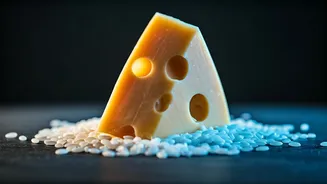
One of the most popular purity checks involves holding a flame to a slice of processed cheese, like American cheese. As the slice blackens, chars, and releases an oily substance without melting into a familiar gooey puddle, creators declare it’s made of plastic. This is persuasive, visually dramatic, and completely wrong. Processed cheese is not a single block of aged cheddar; it’s an emulsion of cheese, milk proteins (casein), fats, water, and emulsifying salts. These salts are key—they help everything blend smoothly and prevent the fat from separating when melted. When you apply direct, high heat from a lighter, you’re not gently melting it. You’re scorching it. The proteins and fats burn, causing the charring and the release of oil. It doesn't melt like natural cheese because the emulsifiers are doing their job, holding its structure together even under extreme stress. It’s not plastic; it’s just food chemistry you’re not used to seeing.
Myth: Bouncy Rice Is Fake Rice
Another recurring myth is that of “plastic rice.” Videos show cooked rice grains being dropped or rolled into a ball, which then bounces like a rubber toy. The claim is that manufacturers are mixing plastic pellets into bags of rice. Again, the explanation lies in simple food science, not a global conspiracy. Rice is primarily starch, which comes in two main forms: amylose and amylopectin. The ratio determines the rice’s texture. Long-grain rice is high in amylose, which makes it cook up fluffy and separate. When cooled, this starch can form a firm, gel-like structure. Rolling it into a dense ball and dropping it will absolutely cause it to bounce. It’s a demonstration of starch’s properties, not the presence of plastic. Furthermore, any plastic pellets mixed with real rice would behave differently during cooking—they would likely melt or fail to absorb water, making them instantly noticeable.
Why We Fall For It
These videos are so effective because they offer what feels like tangible proof. You can do the test yourself. It confirms a simple, scary narrative: “Big Food is poisoning us.” This message is emotionally potent and far more shareable than a nuanced explanation from a food scientist. Social media algorithms reward high-engagement content, and nothing gets more engagement than shock and fear. A video claiming your cheese is plastic will always travel faster and wider than a patient rebuttal explaining the role of emulsifying salts. This creates an information ecosystem where misinformation is amplified and corrections struggle to keep up. The creators of these videos may be genuinely concerned, but they often lack the scientific literacy to interpret their own “results,” leading millions of viewers astray.
Trust the Lab, Not the Lighter
So, how can you actually know what’s in your food? The answer is less dramatic but far more reliable: trust the experts and the systems in place. In the United States, the Food and Drug Administration (FDA) and the Department of Agriculture (USDA) enforce extensive regulations on food composition, safety, and labeling. Food manufacturers conduct rigorous quality control using sophisticated lab equipment—not lighters and countertop bounce tests. Real food analysis can detect contaminants at the parts-per-billion level. It identifies specific proteins, fats, and chemical compounds with precision. While no system is perfect, it’s a world away from the flawed and theatrical experiments going viral online. If you have concerns, reading the nutrition label, understanding the ingredients, and consulting registered dietitians are far more productive steps than turning your kitchen into a stage for junk science.