


The Himalayan Town You Haven't Heard Of
Nestled on the banks of the Bhagirathi River in the Indian state of Uttarakhand, Harsil is a tranquil hamlet that feels like a secret whispered among mountains. Situated at an elevation of about 8,500 feet, it's a world away from the commercial bustle
of more famous Himalayan destinations like Shimla or Manali. Harsil isn't a place with a sprawling market or a row of chain hotels. Instead, its charm lies in what it lacks: the crowds, the noise, and the relentless pressure to be a commercialized tourist trap. It serves as a serene gateway, sitting on the old pilgrimage route to Gangotri, one of the holiest sites in Hinduism, but it has managed to retain a quiet, pastoral identity all its own.
Defining the 'Anti-Crowd' Appeal
So what makes Harsil the perfect 'anti-crowd' plan? Its relative remoteness is a key factor. Reaching it requires a scenic but lengthy drive from the nearest airport in Dehradun, a journey that naturally filters out casual weekenders looking for a quick getaway. The result is a destination that attracts a different kind of traveler: one seeking solace, nature, and genuine connection over convenience. While other hill stations have buckled under the weight of overdevelopment, Harsil remains a collection of small villages, army cantonments, and simple guesthouses. The vibe isn't one of manufactured entertainment; it’s one of authentic mountain life, where the daily rhythm is set by the sun and the seasons, not by tour bus schedules.
An Unspoiled Natural Canvas
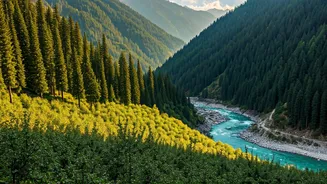
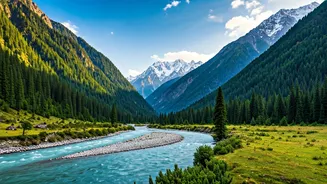
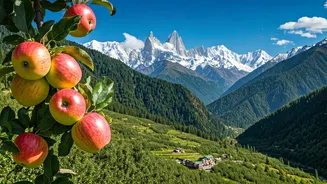
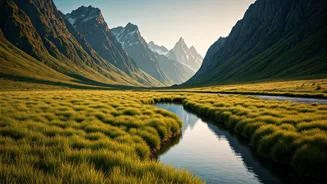
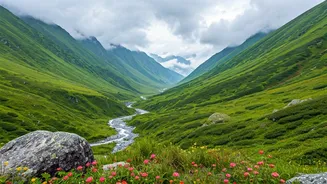
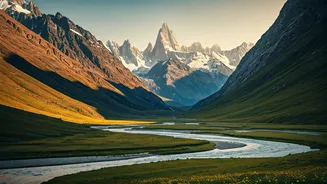
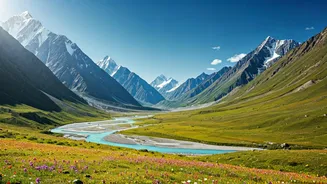
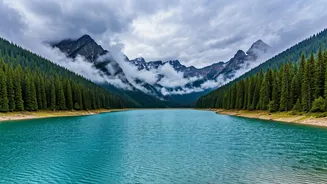
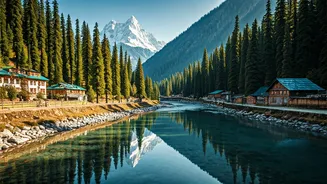
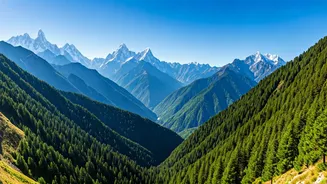
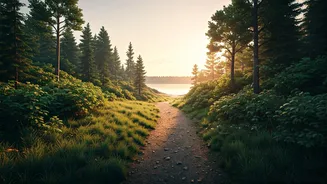
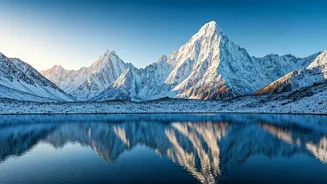
The primary draw of Harsil is its breathtaking, almost cinematic, landscape. The valley is blanketed by dense forests of deodar, a majestic Himalayan cedar, whose scent fills the crisp mountain air. The Bhagirathi River, considered the source stream of the Ganges, flows with a clear, turquoise intensity, its sound a constant, soothing presence. Towering snow-capped peaks frame the horizon, offering a dramatic backdrop that changes with the light of the day. In autumn, the valley transforms as its famous apple orchards ripen, dotting the landscape with shades of red and green. In winter, a thick blanket of snow turns Harsil into a pristine white wonderland, quiet and still. It’s a place that invites you to simply sit, watch, and breathe.
What to Do When You're Not Doing Anything
The beauty of Harsil is that 'doing nothing' is a perfectly acceptable itinerary. But for those who get restless, the region offers plenty of low-key exploration. You can take leisurely walks through the apple orchards or along the riverbank. A short hike can take you to Sattal, a group of seven interconnected high-altitude lakes. History buffs can visit the 19th-century house of 'Pahari Wilson,' a British adventurer who introduced apples to the region. Harsil also serves as a base for visiting Mukhba, the winter home of the idol of the goddess Ganga, or for embarking on the challenging but spiritually significant trek to Gangotri Glacier, the source of the Ganges. The activities here are about immersion, not just observation.
Planning Your Himalayan Escape
For the American traveler, getting to Harsil is an adventure in itself. The typical route involves flying into Delhi, taking a connecting flight or train to Dehradun, and then hiring a car for the 8-9 hour drive. The best times to visit are from April to June for pleasant weather and from September to November for post-monsoon clarity and the apple season. Accommodations are generally simple, consisting of charming guesthouses and homestays that offer a taste of local hospitality, rather than five-star luxury. Pack layers, as mountain weather is famously fickle. But more importantly, pack a mindset ready to slow down and embrace the quiet rhythm of the Himalayas.