








The New Anti-Anxiety Elixir?
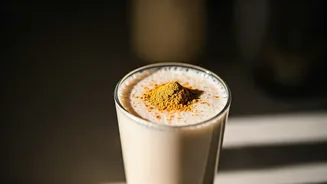
Scroll through any wellness-focused corner of the internet, and you’ll likely see it: a creamy, dreamy latte that’s being hailed as the ultimate antidote to modern stress. This isn’t your standard coffee shop fare. We’re talking about ashwagandha, an ancient
herb, blended into the ever-popular canvas of oat milk. The claim is bold: that this concoction can help dial down the relentless hum of workplace anxiety. It’s part of a larger trend of “functional beverages”—drinks designed not just for taste or hydration, but to deliver a specific health benefit, from boosting focus to, in this case, promoting calm. But before you swap your afternoon coffee for this trendy new brew, it's worth asking: what’s the real story behind the hype?
What Is Ashwagandha, Anyway?
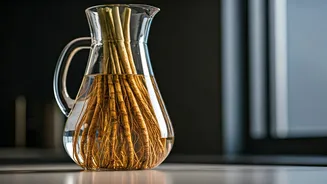
Ashwagandha isn’t a new discovery; it’s a cornerstone of Ayurveda, the traditional system of medicine in India, where it has been used for thousands of years. The name itself translates from Sanskrit to “smell of the horse,” which refers to both its unique scent and the belief that it imparts the strength and vitality of a stallion. It belongs to a class of herbs known as “adaptogens.” The theory behind adaptogens is that they help your body, well, *adapt*. Specifically, they are thought to enhance your body’s resilience to physical and mental stress. Instead of targeting one specific symptom, adaptogens are believed to work holistically to help stabilize your physiological processes and promote balance, particularly within your endocrine and nervous systems. In simple terms, they're meant to help your body regulate its own stress response more efficiently.
So, Does It Actually Curb Anxiety?
Here's where we move from ancient wisdom to modern science, and the answer is a firm “maybe.” The headline’s promise to “stop” anxiety is a significant overstatement, but there is some promising, albeit preliminary, research. Several small-scale human studies have suggested that ashwagandha may help reduce levels of cortisol, the body’s primary stress hormone. When you're chronically stressed, your cortisol levels can remain elevated, contributing to feelings of anxiety and burnout. Participants in some of these studies reported a significant reduction in their perceived stress and anxiety levels after taking ashwagandha extract for several weeks. However, it's crucial to put this in context. Many of these studies are small, and more large-scale, rigorous research is needed to confirm these effects and determine optimal dosages. It’s not a magic bullet or a replacement for therapy or prescribed medication for clinical anxiety disorders. Think of it more as a potential supporting player in your overall stress-management toolkit.
Why Pair It With Oat Milk?
The choice of oat milk in this wellness equation is both practical and cultural. From a taste perspective, ashwagandha root has a distinct earthy, slightly bitter flavor that doesn't appeal to everyone. The creamy, mild, and subtly sweet profile of oat milk is an excellent vehicle for masking those notes, making the herb much more palatable. It creates a comforting, latte-like texture that feels like a treat. Culturally, oat milk has become synonymous with modern, mindful consumerism. It's plant-based, generally allergen-friendly, and has a lower environmental footprint than dairy, all of which aligns perfectly with the wellness-conscious demographic most interested in adaptogens. The ritual of preparing a warm, frothy oat milk latte itself can be a calming act, providing a moment of pause and intention in an otherwise hectic day. The oat milk makes the medicine feel less like a chore and more like self-care.
A Tool, Not a Total Fix
While a warm ashwagandha latte can be a wonderfully soothing ritual, it’s important to maintain a healthy perspective. Workplace anxiety is a complex issue often rooted in systemic problems like overwhelming workloads, poor management, or a toxic culture. No single drink, no matter how powerful its ingredients, can solve those foundational issues. True, sustainable stress management involves a multi-pronged approach. This includes getting adequate sleep, moving your body regularly, eating a balanced diet, and learning to set firm boundaries between your work and personal life. Mindfulness practices, therapy, and open communication with your manager or HR department are also proven, powerful strategies. You can absolutely incorporate an ashwagandha beverage as a calming daily ritual, but view it as one small, supportive element in a much bigger picture of well-being, not as the sole solution.