

The Rise of Defined Spaces
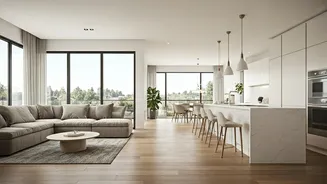
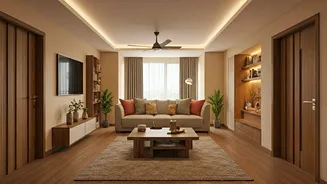
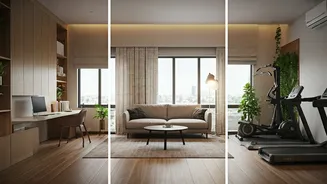
The reign of the cavernous, all-in-one great room is officially ending. While we aren’t returning to the rabbit warren of tiny, closed-off rooms, designers and architects are reintroducing smart divisions of space. The reason is simple: real life is loud
and often messy. When one person is on a Zoom call, another is watching TV, and a third is trying to do homework, a single echo chamber doesn’t work. Expect to see more partial walls, glass partitions, built-in bookcases that act as dividers, and distinct 'zones' for living, dining, and working. This approach provides the psychological comfort of a designated area and much-needed acoustic separation without sacrificing a sense of connection.
Flex Rooms and Clever Nooks
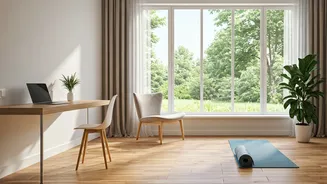
The dedicated home office was the star of the last few years, but the future is about true flexibility. Enter the 'flex room'—a space designed for multiple identities. It might be a guest room with a stylish Murphy bed that folds away to reveal a yoga space, or a corner of the living room that can be closed off with a sliding door to become a temporary project area. Builders are also incorporating more 'nooks' and 'away spaces' into floor plans. These are small, semi-private alcoves perfect for taking a phone call, reading a book, or just having a moment of quiet. It’s an acknowledgment that not every activity needs a full room, but everyone needs a place to retreat.
The Kitchen as True Command Central
The kitchen has long been called the heart of the home, but now it’s also the brain. Its function is expanding far beyond meal prep. The kitchen island is becoming a true multi-purpose surface—larger, with more comfortable seating for everything from casual dinners to homework sessions. We’re also seeing the rise of the 'messy kitchen' or 'scullery.' This is a secondary, smaller kitchen or pantry area hidden from view where the actual chaos of cooking and cleaning can happen, keeping the main kitchen looking perpetually ready for guests. Integrated 'drop zones' near the entrance from the garage are also becoming standard, providing a designated spot for mail, keys, and charging devices before they clutter the countertops.
Biophilic Design Becomes Essential
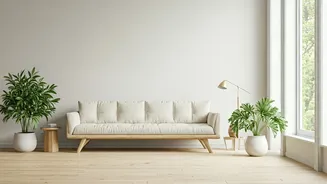
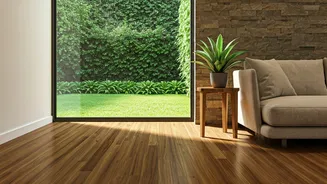
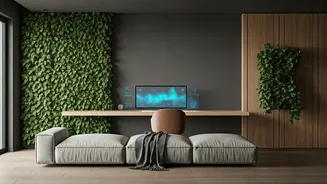
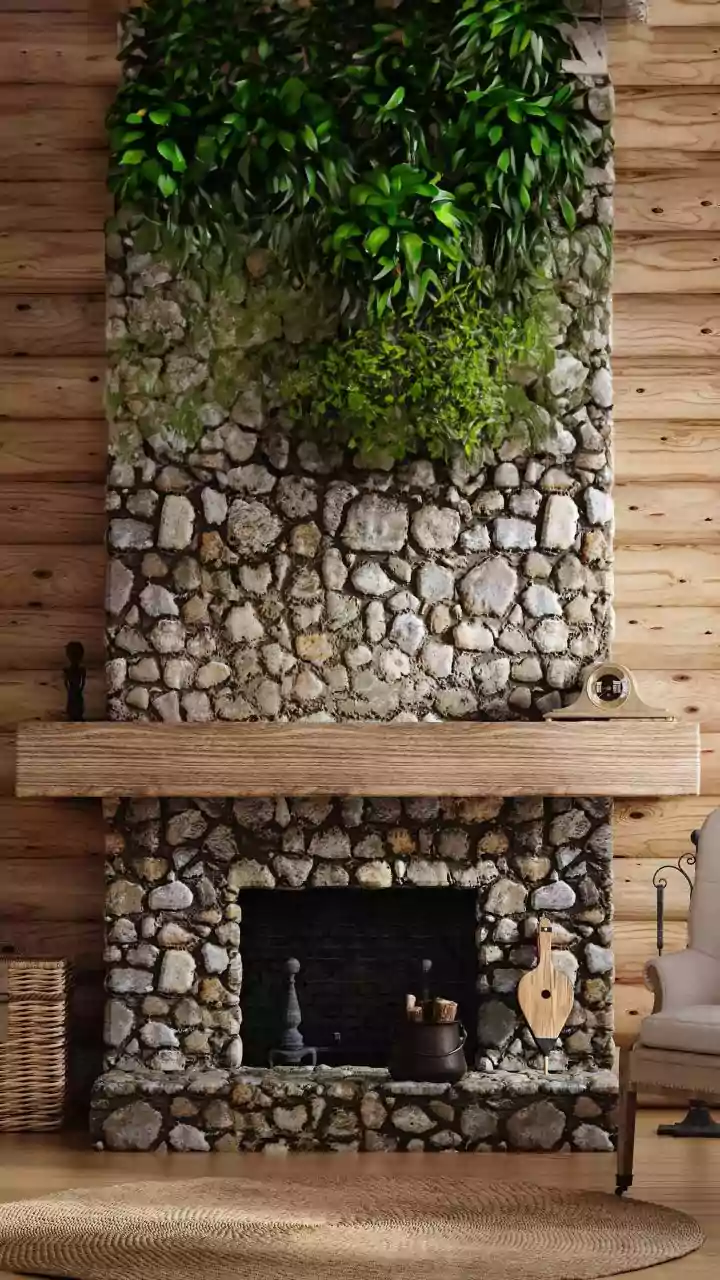
Bringing the outdoors in is no longer a niche trend; it’s a fundamental principle of wellness-focused design. Known as biophilic design, this philosophy involves creating a stronger connection to nature within the home. This goes far beyond adding a few houseplants. It means prioritizing natural light with larger windows and skylights, using natural materials like wood, stone, and rattan, and creating seamless transitions between indoor and outdoor living spaces. Features like floor-to-ceiling retractable glass doors that open onto a patio or deck are becoming highly sought after, effectively blurring the lines between the living room and the backyard.
Smarter, Quieter Home Tech
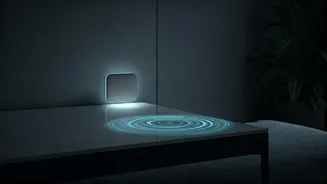
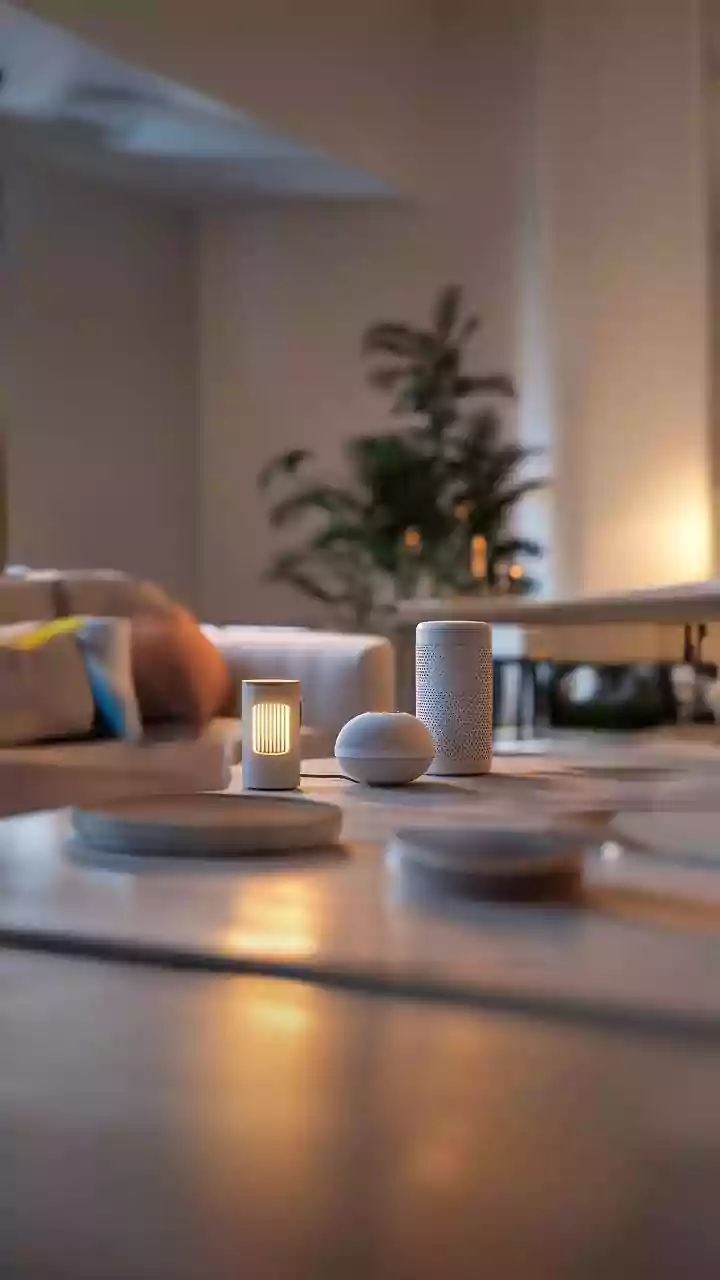
The first wave of smart homes was often clunky, complicated, and more about novelty than utility. The next generation of home tech is designed to be invisible and intuitive. The goal is automation that genuinely simplifies life, rather than adding another layer of management. Think lighting systems that automatically adjust their color temperature to support your circadian rhythm, thermostats that learn your habits without constant programming, and security systems that are easy to monitor from your phone. The emphasis is on technology that works quietly in the background to enhance comfort, security, and energy efficiency, not tech that demands your constant attention.