
From Murky Pond to Puffed Gold
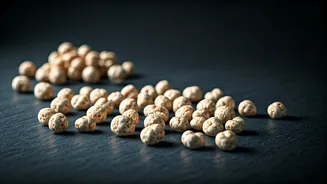
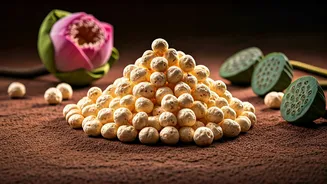
So, what exactly is makhana? It isn't a nut, and it doesn’t grow on a typical farm. Makhana are the seeds of the Euryale ferox, a species of water lily that grows in the stagnant ponds and wetlands of India, particularly in the state of Bihar. The process
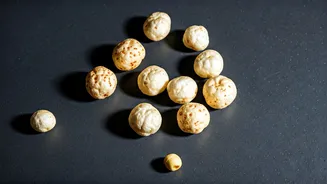
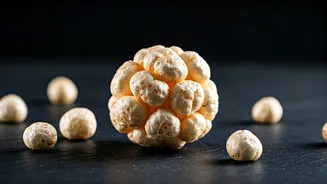
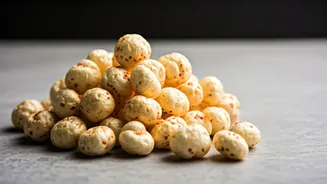
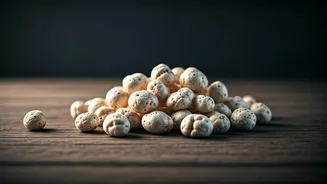
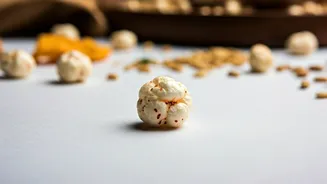
of harvesting them is incredibly labor-intensive. Farmers wade through murky water to collect the small, black seeds from the bottom of the pond. These seeds are then dried, roasted in hot sand, and individually popped by hand. When heated, the pressure inside the hard black shell builds until it bursts, revealing the familiar white, Styrofoam-like puff. This transformation from a humble bottom-dwelling seed to a light-as-air snack is part of its magic. It’s an ancient food, long used in traditional Indian cuisine and Ayurvedic practices, that has been a regional staple for centuries.
The Perfect Storm for a Snack Takeover
Makhana’s journey from a local Indian delicacy to a star in the American snack aisle is a story of perfect timing. It landed in the U.S. market just as consumers were desperately seeking snacks that check multiple boxes. First, it’s plant-based and naturally gluten-free, aligning with two of the biggest dietary movements of the last decade. Second, it’s a nutritional powerhouse in a lightweight package. Unlike greasy potato chips or carb-heavy pretzels, makhana offers a satisfying crunch without the guilt. As the wellness industry shifted focus from simply “low-fat” to nutrient density and clean ingredients, makhana was perfectly positioned. It offered a compelling alternative to popcorn for those seeking something new, something with a more virtuous-sounding backstory, and a slightly more robust nutritional profile.
Unpacking the 'Super-Snack' Hype
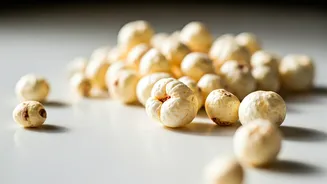
The term “superfood” gets thrown around a lot, but makhana makes a compelling case for “super-snack.” A typical one-ounce serving is around 100 calories and delivers about 3-4 grams of plant-based protein and a decent amount of fiber. It’s also a good source of minerals like magnesium, which plays a role in everything from muscle function to nerve health. Because it’s low on the glycemic index, it doesn't cause the dramatic blood sugar spikes associated with sugary snacks. In Ayurveda, it's considered a calming, nourishing food. Compared to popcorn, its closest textural cousin, makhana is generally higher in protein and magnesium, and it doesn't have the hard kernel that can get stuck in your teeth. Its natural flavor is quite neutral and mild, making it an excellent canvas for seasonings. This versatility has allowed brands to launch a wide array of flavors, from sea salt and white cheddar to spicy sriracha and sweet caramel.
Your Guide to Getting on Board
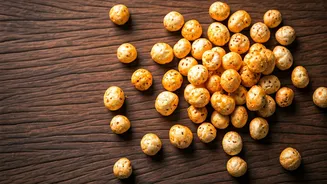
Ready to try it? You have two main options: buy pre-packaged, flavored makhana or make your own. Dozens of brands like AshaPops, Bohana, and Taali are now available in stores like Whole Foods, Sprouts, and online. They offer a convenient way to sample different flavors and see what you like. For the DIY-inclined, plain, unseasoned makhana can be found at Indian grocery stores or online. To prepare them at home, simply toast the plain puffs in a pan with a little ghee, coconut oil, or avocado oil until they become extra crispy. Then, toss them with your favorite seasonings. A sprinkle of sea salt and black pepper is classic, but you can get creative with turmeric and nutritional yeast for a cheesy flavor, or cinnamon and a touch of maple syrup for a sweet treat. They can be eaten on their own, added to trail mix for texture, or even used as a crunchy topping for soups and salads.