






The City Washed Clean
The first drops of rain land with a sizzle on the hot stone streets. What follows is not a gentle shower, but a cleansing downpour that seems to hush the entire city. The scent of petrichor—that earthy perfume of rain on dry soil—rises from the surrounding
Aravalli Hills and mingles with the fragrance of jasmine and wet marigolds from a nearby market stall. The city’s vibrant colors, often bleached by the harsh Rajasthani sun, suddenly deepen. The brilliant blues of doorways, the shocking pink of a woman’s sari, and the gold leaf on a temple spire all gain a new, saturated intensity. Dust is washed from intricately carved 'jharokhas' (overhanging balconies), revealing the crisp details of the stonework. The usual cacophony of horns and commerce softens, replaced by the rhythmic drumming of rain on rooftops and the gurgle of water rushing through ancient gutters. It’s a city reborn, its sharp edges blurred into something gentler.
Reflections on Lake Pichola
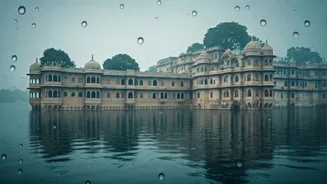
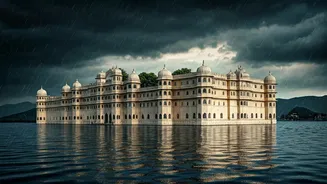
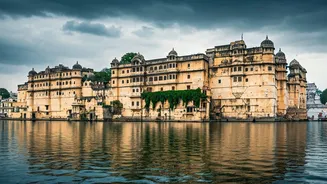
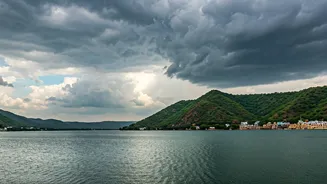
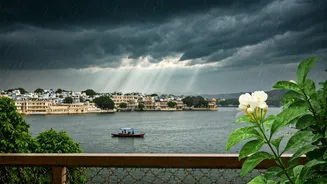
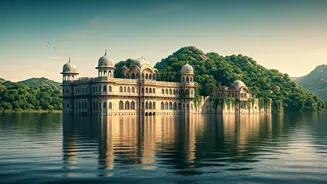
Udaipur’s soul is its water, and during the monsoon, Lake Pichola swells, rising to meet the 'ghats' (steps leading to the water). The surface, usually a clear mirror reflecting a perfect blue sky, becomes a textured watercolor canvas. Raindrops create a million tiny, concentric rings, distorting the reflections of the monumental City Palace and the ethereal Lake Palace, which seems to float untethered in the mist. Taking a boat ride in the drizzle is an experience of pure atmosphere. The boatman navigates through the grey-blue water as the legendary palaces loom like dreamlike apparitions. The line between the water and the sky blurs into a seamless whole. You feel less like a tourist observing a landmark and more like a character in a centuries-old painting, gliding through a landscape of water, stone, and mist.
From Grandeur to Intimacy
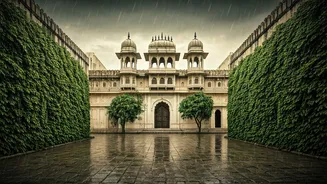
The rain changes how you experience Udaipur’s famous royal architecture. The sprawling City Palace, a monument to dynastic power, feels different when explored on a quiet, rainy afternoon. Instead of battling crowds in sun-drenched courtyards, you find yourself seeking shelter in covered corridors, gazing through arched windows at the rain-streaked panorama of the city below. The grandeur becomes a backdrop for intimacy. Small, enclosed spaces—a quiet chamber with intricate mirror-work, a secluded balcony overlooking the lake—become personal havens. The sound of the rain outside makes the opulent interiors feel like a cozy, secret world. It’s in these moments that the history of the place feels most alive; you can almost imagine the maharanis of old watching the same dramatic sky from the very same spot.
The View from the Monsoon Palace
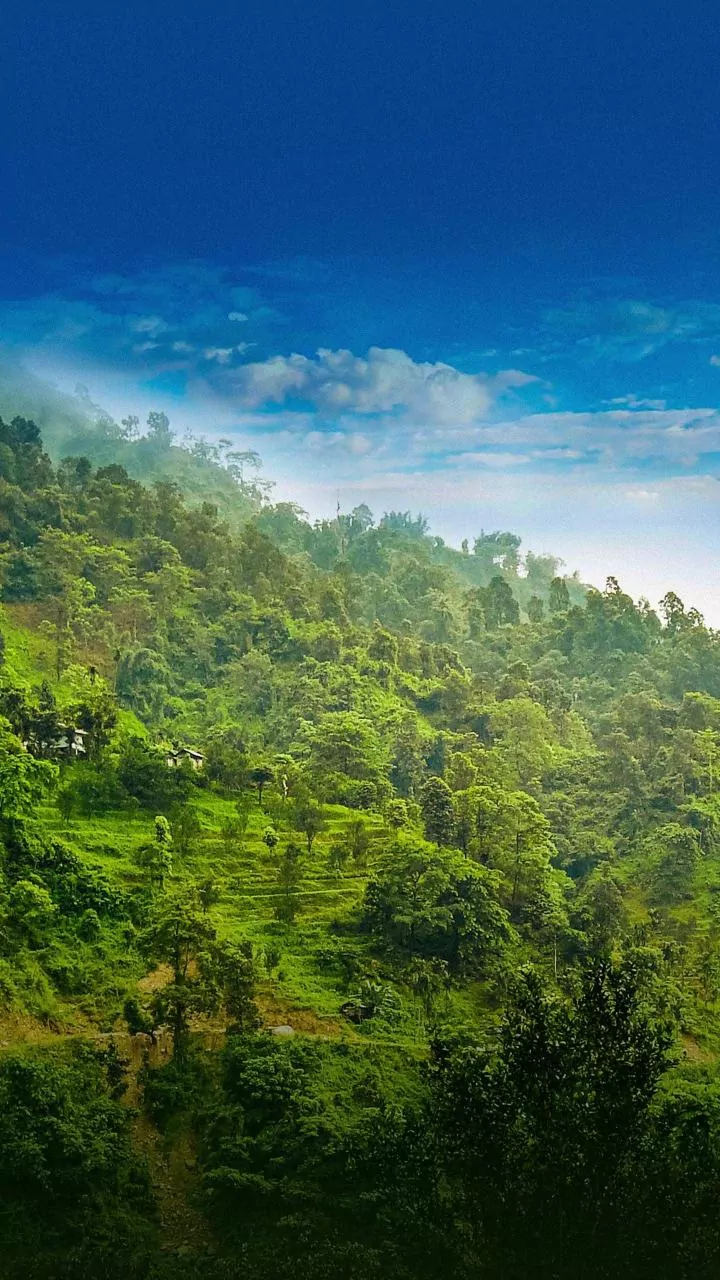
Perched high on a hill overlooking the city is Sajjan Garh, aptly nicknamed the Monsoon Palace. Built in the late 19th century by Maharana Sajjan Singh, its original purpose was to watch the monsoon clouds roll in. A winding drive up the hill on a rainy day is an ascent into the clouds themselves. At the top, the wind whips and the air is cool and heavy with moisture. Standing on the marble terraces, you are treated to a breathtaking, ever-shifting spectacle. Patches of fog drift across the landscape, momentarily obscuring and then dramatically revealing the lakes, palaces, and the city below. The green of the freshly watered hillsides is startlingly vivid against the grey sky. It’s a view that’s less about seeing a city and more about witnessing nature's majestic, moody performance, with Udaipur as its magnificent stage.