







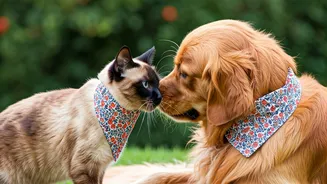


The Great Pet Humanization
If you’ve ever joked that your friend’s dog eats better than you do, you’re not wrong—and you’ve stumbled upon a massive economic and social trend. The “humanization” of pets is the engine driving the modern pet care industry. A generation ago, a dog was
a pet; now, for millions, they're a 'fur baby.' This isn't just sentimental language; it's a market force. According to the American Pet Products Association (APPA), Americans spent over $136 billion on their pets in 2022, a figure that consistently climbs year after year. This spending isn't just on more food or toys; it's on better, more specialized, and often human-grade products and services that mirror what we want for ourselves.
From the Bag to the Subscription Box
Nowhere is this shift more obvious than in the food bowl. For decades, the standard was dry kibble. Now, the market is flooded with options that sound like they belong in a high-end grocery store. Fresh, human-grade food subscriptions from companies like The Farmer’s Dog and Ollie deliver pre-portioned meals tailored to a pet’s specific health needs and breed. We're seeing grain-free, small-batch, and raw food diets go from niche to mainstream. This isn't just about taste; it's about a projection of our own wellness anxieties onto our animals. If we are focused on clean eating and transparent ingredients for ourselves, it only makes sense that our four-legged family members get the same treatment.
Wellness Beyond the Annual Checkup
Veterinary care has also undergone a revolution. While vaccinations and checkups remain crucial, the concept of pet wellness has expanded dramatically. Pet insurance, once a rarity, is now a common employee benefit. Beyond that, a suite of specialized services has emerged to address everything from arthritis to anxiety. It's no longer surprising to find canine physical therapists using underwater treadmills for rehabilitation, animal acupuncturists treating chronic pain, or behavioral therapists helping dogs cope with separation anxiety. This boom reflects a desire not just to extend our pets' lives, but to improve their quality of life in a measurable, proactive way.
Tech, Tracking, and Constant Connection
Our hyper-connected human world has officially extended to our pets. Technology is a cornerstone of the new pet care landscape, offering owners peace of mind and constant connection. Pet cams allow owners to watch, talk to, and even dispense treats to their pets from their office desks. Smart collars with GPS tracking monitor a pet’s location and activity levels, sending alerts to a smartphone app. There are automated feeders that dispense precise portions at scheduled times and even smart litter boxes that can analyze waste to flag potential health issues. This tech-driven oversight fulfills a modern parenting need: to be ever-present and protective, even when we’re physically away.
The 'Why' Behind the Wallet
So, why is this happening now? The reasons are deeply sociological. Millennials and Gen Z, who are delaying marriage and childbirth at higher rates than previous generations, are now the largest segments of pet owners. For many, pets fill a deep-seated need for nurturing and companionship, becoming the central focus of their household. The pandemic only accelerated this trend, as millions adopted pets to combat loneliness and isolation, forging intensely close bonds. A pet is no longer a simple companion but a key source of emotional support and a fully integrated member of the family unit, deserving of the best care money can buy.