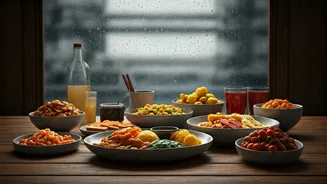




The Philosophy of Rainy Day Food
While the U.S. doesn’t have a true monsoon season like South and Southeast Asia, we all know the feeling. The sky turns a heavy gray, the temperature drops, and the world outside feels misty and remote. On days like these, you don’t want a salad. You
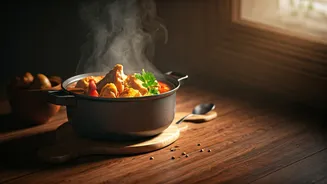
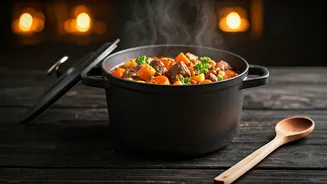
crave something that radiates warmth from the inside out. This is the essence of “monsoon comfort” cooking. It’s a category of food born from the need for nourishment, solace, and practicality during the long, wet months. The best part? Its soul lies in the humble, do-it-all efficiency of a single pot. It’s about building layers of flavor in one vessel, minimizing cleanup, and maximizing that cozy, restorative feeling.
Start with Savory Porridge
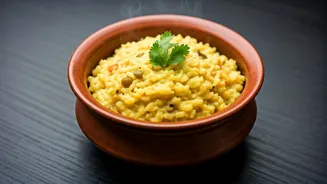
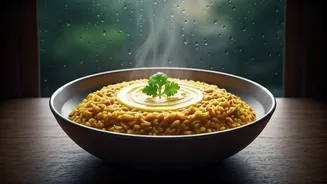
Forget the sweet, milky oatmeal of your youth. The world’s great rainy-day porridges are savory, complex, and deeply satisfying. In Asia, this often means congee or jook, a silken rice porridge that acts as a blank canvas. The principle is simple: simmer rice with a generous amount of flavorful liquid—like chicken stock or a ginger-infused vegetable broth—until the grains break down into a creamy, soupy consistency. The magic is in the toppings. Think of a soft-boiled egg, a drizzle of sesame oil, a spoonful of chili crisp, crispy fried shallots, or tender shredded chicken. The Filipino version, Arroz Caldo, is famously perfumed with ginger and garlic, while India’s Khichdi combines rice and lentils into a nourishing, often spiced, one-pot meal that’s considered the ultimate comfort food.
Embrace the All-in-One Curry
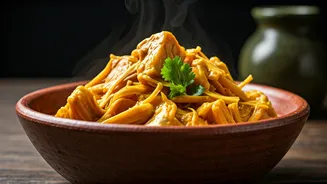
The idea of making a curry from scratch can feel intimidating, but a one-pot version is one of the most forgiving and rewarding meals you can make. The process is a meditation in building flavor. Start by blooming your aromatics—sautéing onions, garlic, and ginger in oil until fragrant. If you’re using a store-bought curry paste, fry it for a minute to awaken the spices. Then, pour in your liquid. Coconut milk is classic for its creamy texture, but crushed tomatoes or a simple stock work beautifully, too. Let that simmer before adding your main ingredients. Chunks of sweet potato, chickpeas, lentils, or chicken thighs all cook perfectly in the bubbling sauce, absorbing all that flavor. Serve it over rice, and you have a complete, soul-warming meal from a single pot.
The Soul of Lentils and Legumes
Lentils and beans are the unsung heroes of the one-pot pantry. They’re inexpensive, packed with protein, and transform into something magical when simmered slowly. A simple red lentil dal is a perfect example. The lentils cook down into a creamy, golden stew that’s both light and filling. You can add spinach, carrots, or any other vegetables you have on hand. The real secret weapon of many South Asian legume dishes is the *tarka* (or *tadka*). Right at the end of cooking, you heat ghee or oil in a tiny pan, sizzle whole spices like cumin seeds and mustard seeds, maybe add some sliced garlic or dried chiles, and pour the screaming-hot, fragrant oil over the finished dal. This final flourish takes seconds but adds an incredible layer of aroma and flavor that makes the dish taste like it took hours.
Your One-Pot Flavor Pantry
You don't need a hundred ingredients to unlock these meals. A well-stocked pantry is your best friend on a dreary day. Focus on having these building blocks on hand: * **Aromatics:** The non-negotiable base of yellow onions, fresh ginger, and garlic. * **Liquids:** Good-quality chicken or vegetable stock, and a can or two of full-fat coconut milk. * **Grains & Legumes:** Jasmine or basmati rice for serving, and a bag of red lentils or chickpeas for the pot. * **Flavor Bombs:** A jar of Thai curry paste (red or green), soy sauce, fish sauce, chili crisp or sambal oelek, and a tube of tomato paste. * **Spices:** Ground cumin, coriander, and turmeric will form the backbone of countless dishes. With these staples, you’re always just 30 minutes away from a pot of something warm and wonderful.