





The Unmatched Cheerful Charm
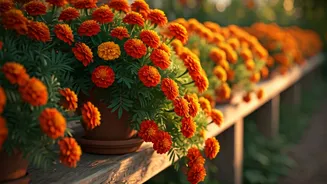
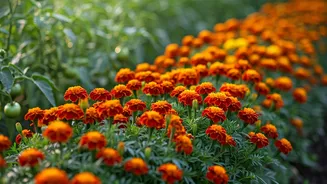
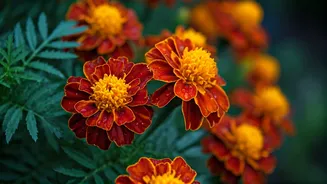
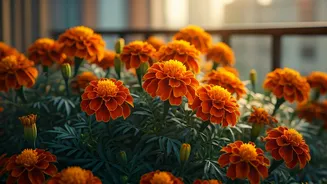
When it comes to instant impact, few flowers work harder than the humble marigold. These annuals are powerhouses of pigment, exploding in shades of sunny yellow, fiery orange, and deep crimson. Their pom-pom or daisy-like blooms are relentlessly cheerful,
bringing a celebratory feel to any space they inhabit. Unlike finicky plants that require perfect conditions, marigolds are famously forgiving, making them an ideal choice for both novice gardeners and seasoned pros looking for a low-effort, high-reward addition. Their blooming season is long, often stretching from late spring straight through to the first frost, ensuring your balcony stays bright and energetic for months on end. This sustained performance is the secret to their “instant” energy—they arrive bright and stay that way.
Choosing Your Balcony Star
Not all marigolds are created equal, and choosing the right variety is key to success in a container. For most balconies, French marigolds (Tagetes patula) are the undisputed champions. They are compact, bushy, and produce a profusion of blooms on plants that rarely exceed a foot in height. Look for popular series like ‘Bonanza’ or ‘Durango’ for reliable, uniform color. If you have a slightly larger pot, you could try a dwarf variety of African marigold (Tagetes erecta), which offers huge, globe-like blooms on a sturdier stem. For a more delicate, whimsical look, consider Signet marigolds (Tagetes tenuifolia). These have lacy, lemon-scented foliage and produce dozens of tiny, single-petaled flowers. Their airy texture works beautifully in mixed containers and hanging baskets.
Planting for Potted Success
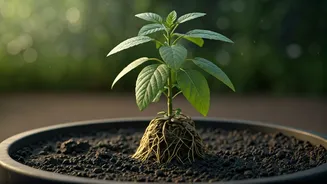
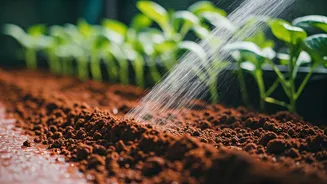
Getting your marigolds settled is refreshingly simple. The most important factor is drainage. No plant likes to sit in water, so choose a pot with at least one good-sized drainage hole. A 10- or 12-inch container is a great starting size for a few French marigolds. Fill your pot with a quality, all-purpose potting mix—not garden soil, which is too heavy and compacts easily in containers. If you’re starting with nursery plants, gently tease the roots at the bottom of the root ball before placing the plant in the pot. You’ll want the top of the plant’s soil level to be about an inch below the rim of the pot to allow for easy watering. Fill in around the plant with more potting mix, press down gently to remove air pockets, and give it a thorough watering until you see excess draining from the bottom.
Sun, Water, and Simple Care
Marigolds thrive on sunshine. For the most prolific blooming, place your pots where they will receive at least six hours of direct sunlight each day. A south- or west-facing balcony is ideal. While they are relatively drought-tolerant once established, container plants dry out much faster than those in the ground. Check the soil every day or two by sticking your finger an inch deep; if it feels dry, it’s time to water. Water thoroughly at the base of the plant until it runs out the bottom. The single most effective thing you can do to keep the party going is “deadheading.” This simply means pinching or snipping off spent flowers. This prevents the plant from putting its energy into making seeds and instead encourages it to produce more and more blooms.
A Cultural and Practical Powerhouse
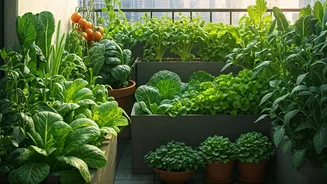
The “festive energy” of marigolds isn't just about their color; it’s woven into cultural traditions around the world. In Mexico, the cempasúchil (a type of marigold) is the iconic flower of Día de los Muertos, its vibrant petals and strong scent believed to guide spirits home. In India, marigold garlands are essential decorations for weddings, religious ceremonies, and festivals like Diwali. This rich history imbues the flower with a deeper sense of celebration. On a more practical level, marigolds are famously known for repelling certain pests. The scent that many find pungent is a deterrent to nematodes in the soil and can discourage insects like whiteflies above ground, making them a useful companion plant for balcony vegetable gardens.