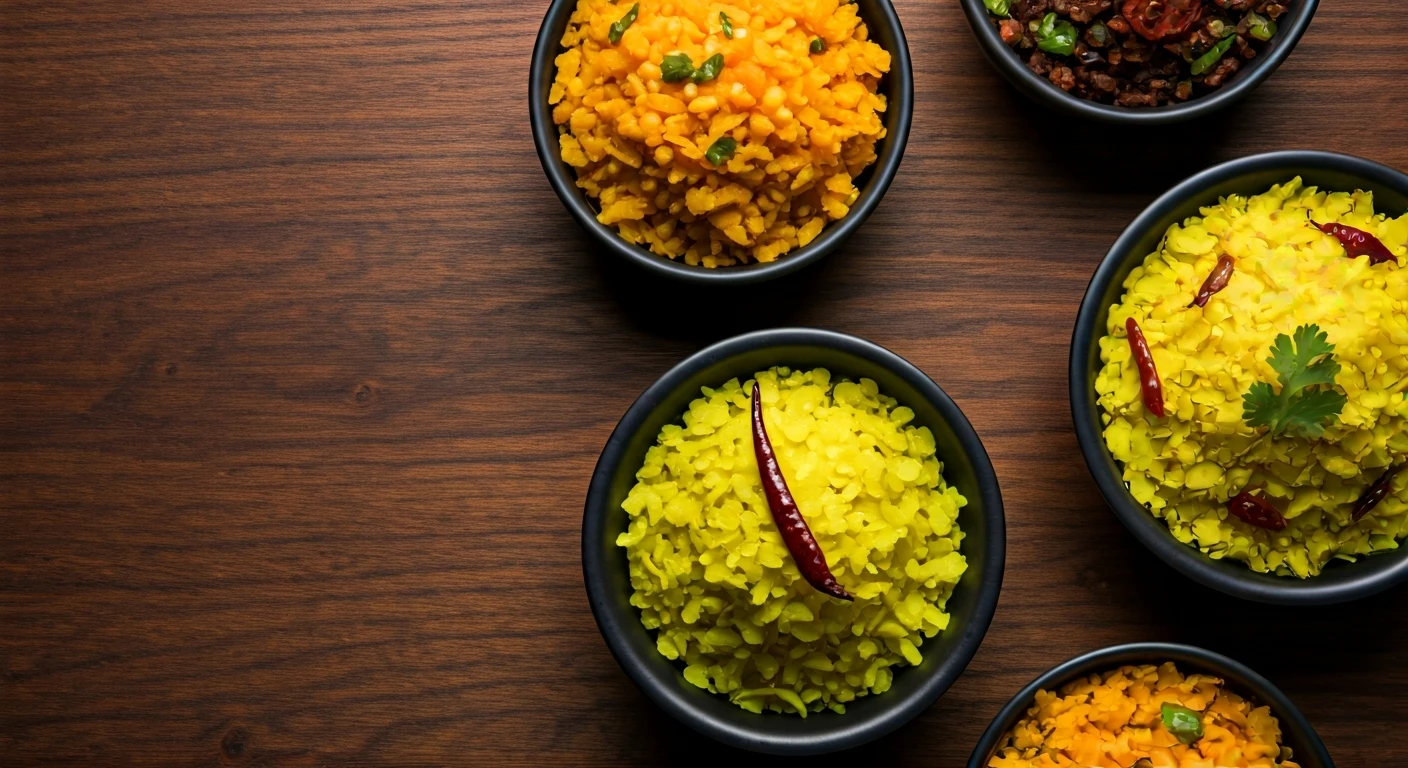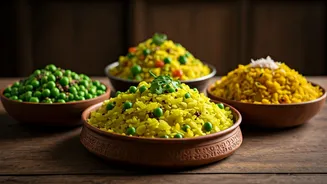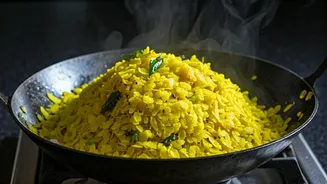


First, What Exactly is Poha?
Before we dive into the delicious variations, let's get the basics down. Poha (pronounced PO-ha) refers to both the ingredient and the dish. The ingredient is rice that has been parboiled, flattened into light, dry flakes, and dried. Think of it like
the Indian equivalent of rolled oats—a quick-cooking grain ready to absorb flavor. When you make the dish, these flakes are briefly soaked in water until they soften into a fluffy, tender texture reminiscent of couscous. From there, they are typically tossed into a pan with tempered spices and other ingredients. It’s naturally gluten-free, easy to digest, and serves as a perfect canvas for a spectrum of flavors, which is exactly why it has become a staple in millions of households across India.
The Classic: Kanda Poha from Maharashtra
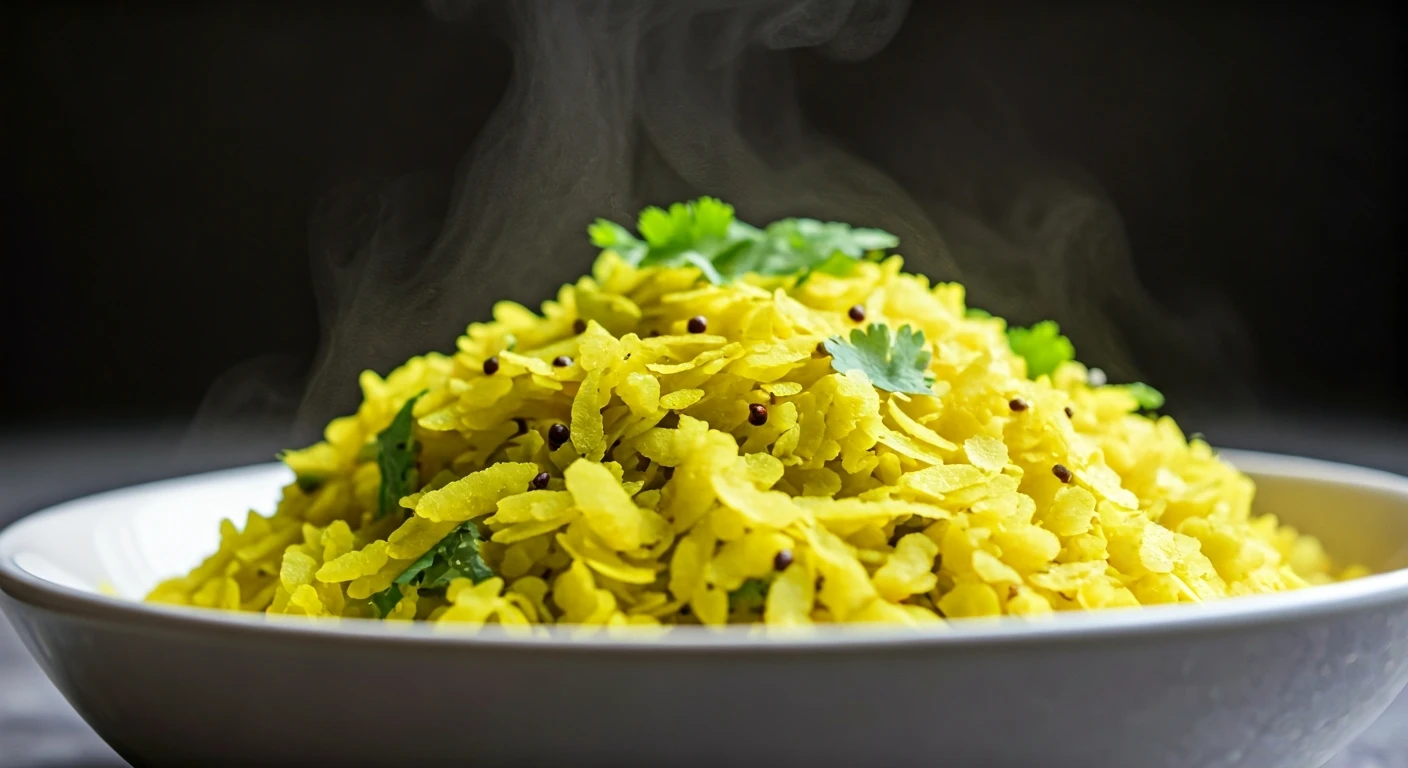
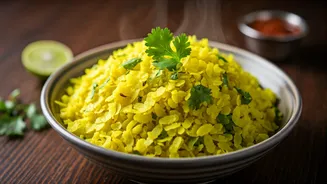
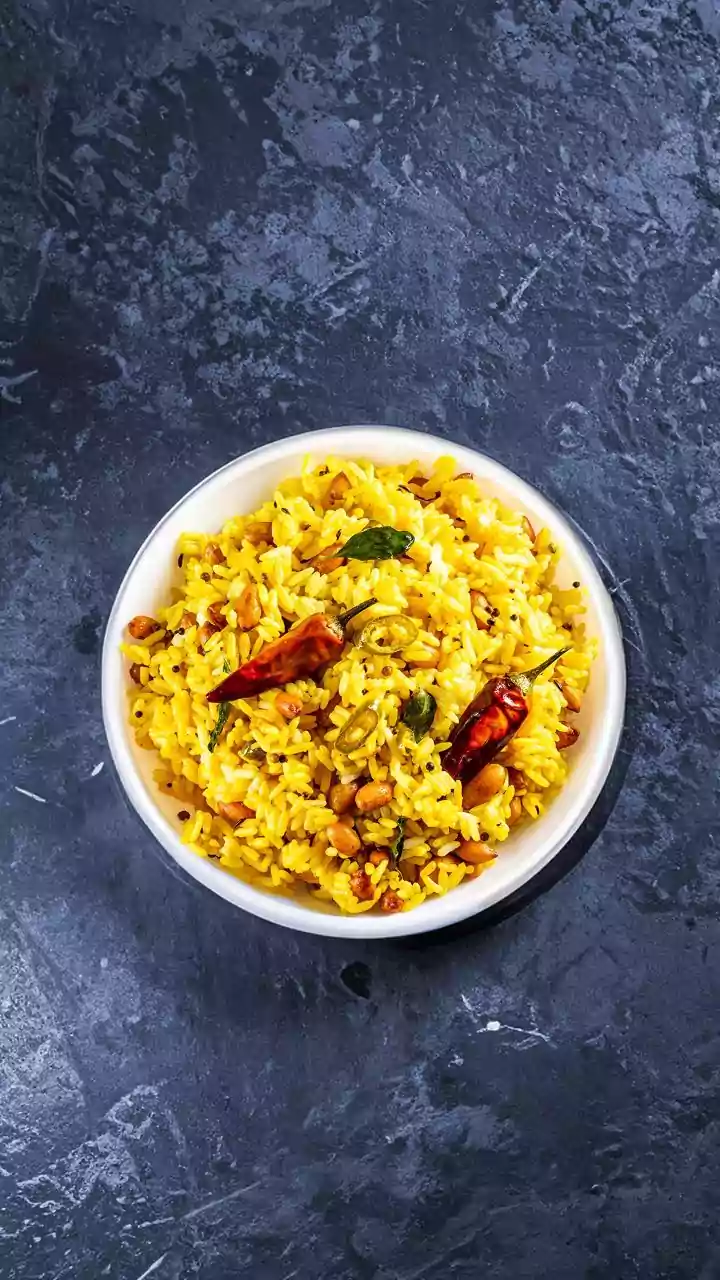
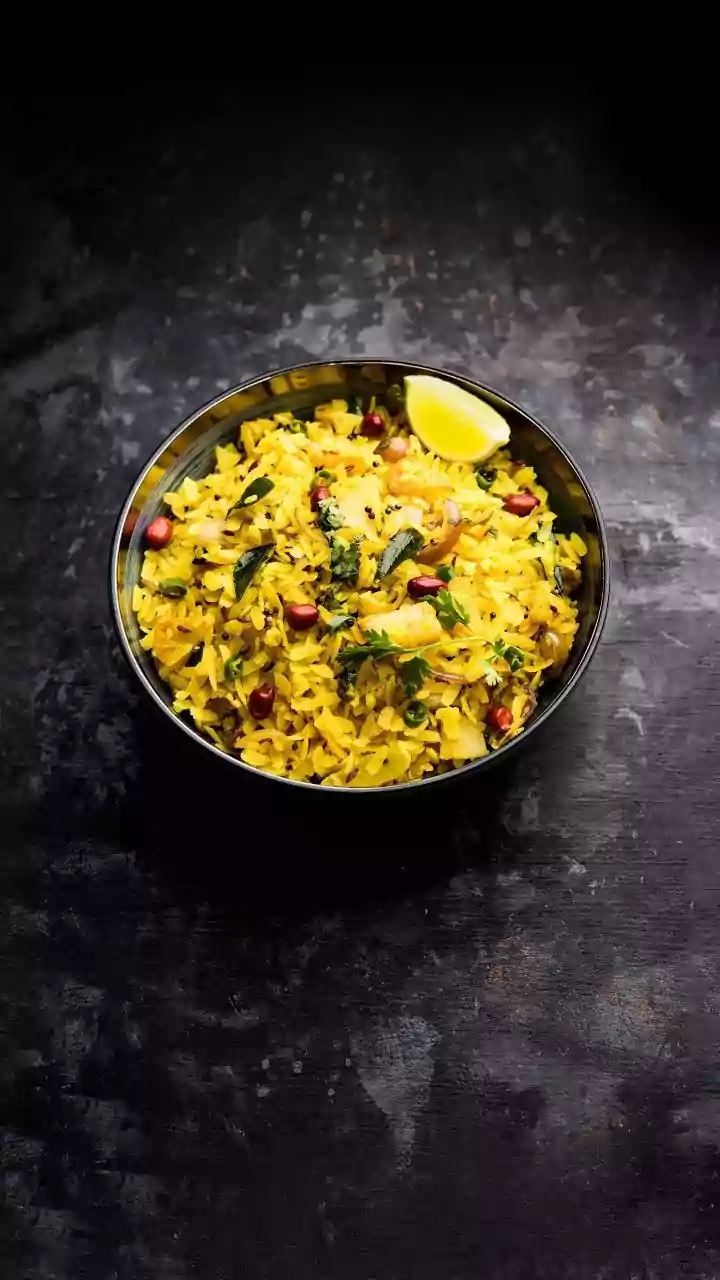
If you’ve ever had poha at an Indian restaurant in the U.S., you've likely had a version of Kanda Poha. Hailing from the western state of Maharashtra, this is the quintessential everyday breakfast. “Kanda” means onion in Marathi, and this dish is a savory, comforting celebration of that humble ingredient. The preparation is straightforward: softened poha is sautéed with mustard seeds, turmeric (which gives it a vibrant yellow hue), curry leaves, green chilies, and heaps of finely chopped onions. Often, potatoes (“batata”) are added, turning it into Kanda Batata Poha. It’s finished with a squeeze of lime, fresh cilantro, and sometimes a sprinkle of grated coconut. It’s simple, soulful, and the perfect introduction to the poha universe.
The Street Food Icon: Indori Poha
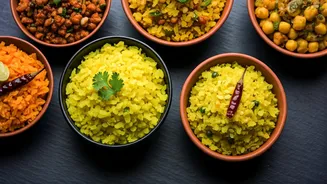
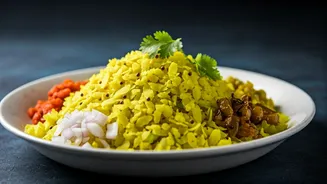
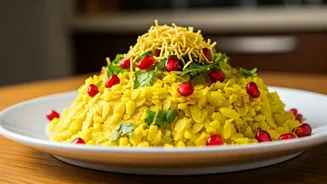
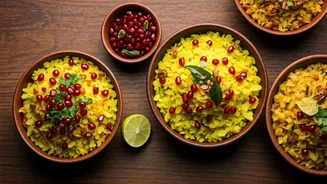
Travel to the city of Indore in Madhya Pradesh, and you’ll find a version of poha that’s a full-blown sensory experience. Indori Poha isn't just breakfast; it's a cultural icon. The poha itself is steamed over a pot of boiling water, making it exceptionally soft and fluffy. It's lightly sweetened with a pinch of sugar, balancing the savory notes. But the magic is in the toppings. A plate of Indori Poha is generously garnished with sev (crunchy chickpea flour noodles), pomegranate arils, and a special masala blend called jeeravan, which adds a smoky, tangy, and slightly spicy kick. The ultimate pairing? A side of hot, syrupy jalebi. This sweet and savory combination is a masterclass in flavor contrast and a must-try for any food lover.
The No-Cook Wonder: Dadpe Poha
For a truly minimalist yet flavorful take, look to the Konkan coast of Maharashtra and Goa for Dadpe Poha. This version is a game-changer because it requires almost no cooking. Here, the thin variety of poha flakes is mixed with finely chopped raw onion, fresh grated coconut, green chilies, and salt. The mixture is then covered and left to rest, or “dadapne” (to press down). The moisture from the onions and coconut slowly softens the poha flakes. A final flourish of “tadka”—hot oil infused with mustard seeds, asafoetida, and curry leaves—is poured over the top just before serving, releasing an incredible aroma. It’s a refreshing, crunchy, and ridiculously easy dish that’s perfect for a hot day.
The Tangy Twist: Gojju Avalakki from Karnataka
In the southern state of Karnataka, poha (known as “avalakki”) gets a tangy makeover. Gojju Avalakki, or Huli Avalakki, is a bold, flavor-packed dish that tastes nothing like its Maharashtrian cousin. Instead of a light sauté, the poha is soaked in a vibrant, tangy-sweet-spicy sauce made from tamarind pulp, jaggery (unrefined cane sugar), and a special spice powder (rasam or sambar powder). The result is a soft, wet mixture where every single rice flake is coated in flavor. Often mixed with peanuts for crunch and garnished with coconut, it’s a powerful and complex-tasting dish that’s often served as a temple offering or a special breakfast. It showcases how the same humble ingredient can be completely transformed by regional tastes.