


Embrace the Moody, Dramatic Light
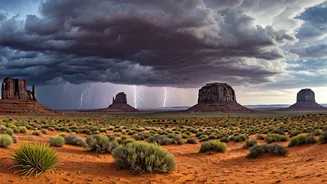
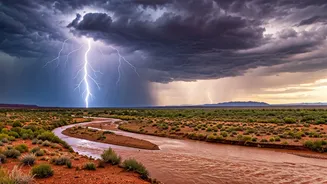
Forget the harsh, blown-out glare of a typical desert afternoon. Monsoon season provides a natural, cinematic filter that no app can truly replicate. The sky, thick with bruised purples, deep blues, and slate grays, acts as a giant softbox, diffusing
the sunlight and casting an even, moody glow over the landscape. This kind of light is incredibly forgiving and flattering for video. It eliminates sharp, unflattering shadows and allows the rich, saturated colors of the wet desert—the deep reds of the rocks, the sudden green of new growth—to pop. To capture this, set your phone or camera to a slightly lower exposure to prevent the bright parts of the clouds from becoming pure white. This ensures you capture all the texture and depth of the storm brewing overhead.
Frame the Drama of the Sky
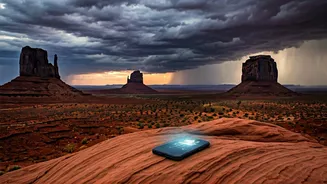
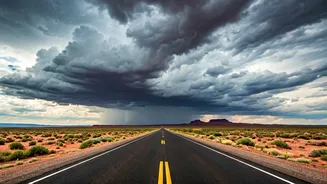
The star of any monsoon Reel is the sky itself. The sheer scale and movement of monsoon clouds are breathtaking. You’ll see towering cumulonimbus formations, fast-moving lower clouds, and sometimes a curtain of rain falling in the distance. When you’re filming from a car (as a passenger, of course), use the road and the horizon to anchor your shot. A classic composition is to place the horizon line on the lower third of your frame, letting two-thirds of the video be dominated by the magnificent, churning sky. This emphasizes the vastness of the landscape and the power of the weather system moving through. Look for moments where sunlight breaks through a gap in the clouds, creating ethereal rays that spotlight a distant mesa or a stretch of empty highway.
Use the Road as Your Guide
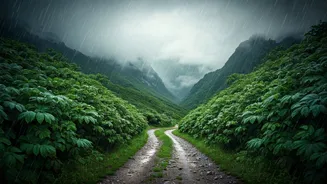
A straight, empty road cutting through the desert is one of the most powerful visual devices you can use. It creates a “leading line,” a compositional element that draws the viewer’s eye directly into the scene and toward the storm. This technique adds depth, scale, and a sense of journey to your video. As the car moves forward, the lines of the road converge in the distance, pulling the viewer along for the ride. To make this even more effective, find a safe place to pull over and set up a tripod. A low-angle shot, with the camera just a foot or two off the ground, can make the road and the approaching storm feel even more immense and epic. The reflection of the dramatic sky on the wet asphalt after a downpour doubles the visual impact.
Play with Timelapse and Slow Motion
Monsoon weather is all about movement, and your videos should reflect that. This is where special camera modes become your best friend. A timelapse is perfect for showing the grand, slow-motion ballet of cloud formations building and moving across the sky. Set up your phone or camera on a stable surface (a dashboard mount or a tripod outside the car) and let it record for 10-15 minutes. The resulting video will compress that time into a few seconds of spectacular, fast-moving drama. Conversely, use slow motion to capture the poetic detail of raindrops hitting the windshield or splashing onto the road. A 120 or 240 frames-per-second shot can turn a chaotic downpour into a beautiful, mesmerizing dance of water droplets.
Prioritize Safety Above All Else
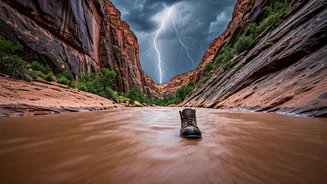
This cannot be overstated: monsoon season is beautiful, but it can be extremely dangerous. The perfect shot is never worth risking your safety. The number one rule is to never, ever drive into a flooded roadway or wash. It only takes a few inches of moving water to sweep a vehicle away. Be aware of flash flood warnings issued by the National Weather Service. If you pull over to film, do so in a designated, safe area far from the roadway and on high ground. Stay inside your vehicle during lightning storms. Roads become slick, so reduce your speed significantly to avoid hydroplaning. Your co-pilot should be the one handling the camera, allowing the driver to focus 100% on navigating the hazardous conditions. Respect the power of the storm, and know when to put the camera away and simply drive to safety.