


The Problem with Powdered Colors
Those dazzlingly bright neon pinks, greens, and blues sold in plastic packets are a relatively recent invention. While convenient, many commercial rangoli powders contain synthetic dyes and chemicals like lead, mercury, and chromium, which can be skin
irritants and harmful to the environment when washed away. They often have a chalky, uniform texture that, while colorful, lacks the depth and life of natural elements. Moving away from these artificial powders isn't about rejecting tradition; it’s about reconnecting with its older, more organic roots, where pigments came from the earth and the garden, not a factory.
The Sensory Beauty of Natural Art
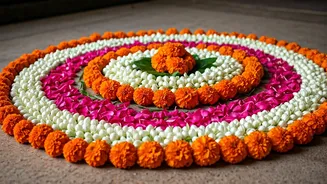
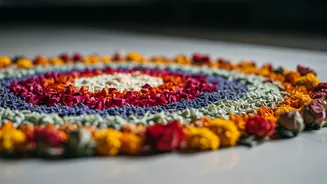
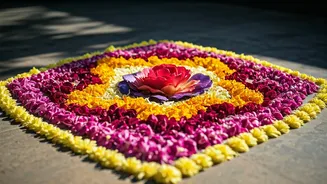
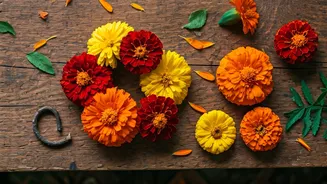
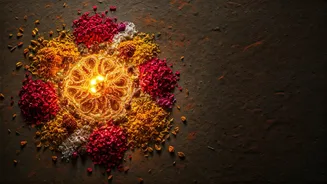
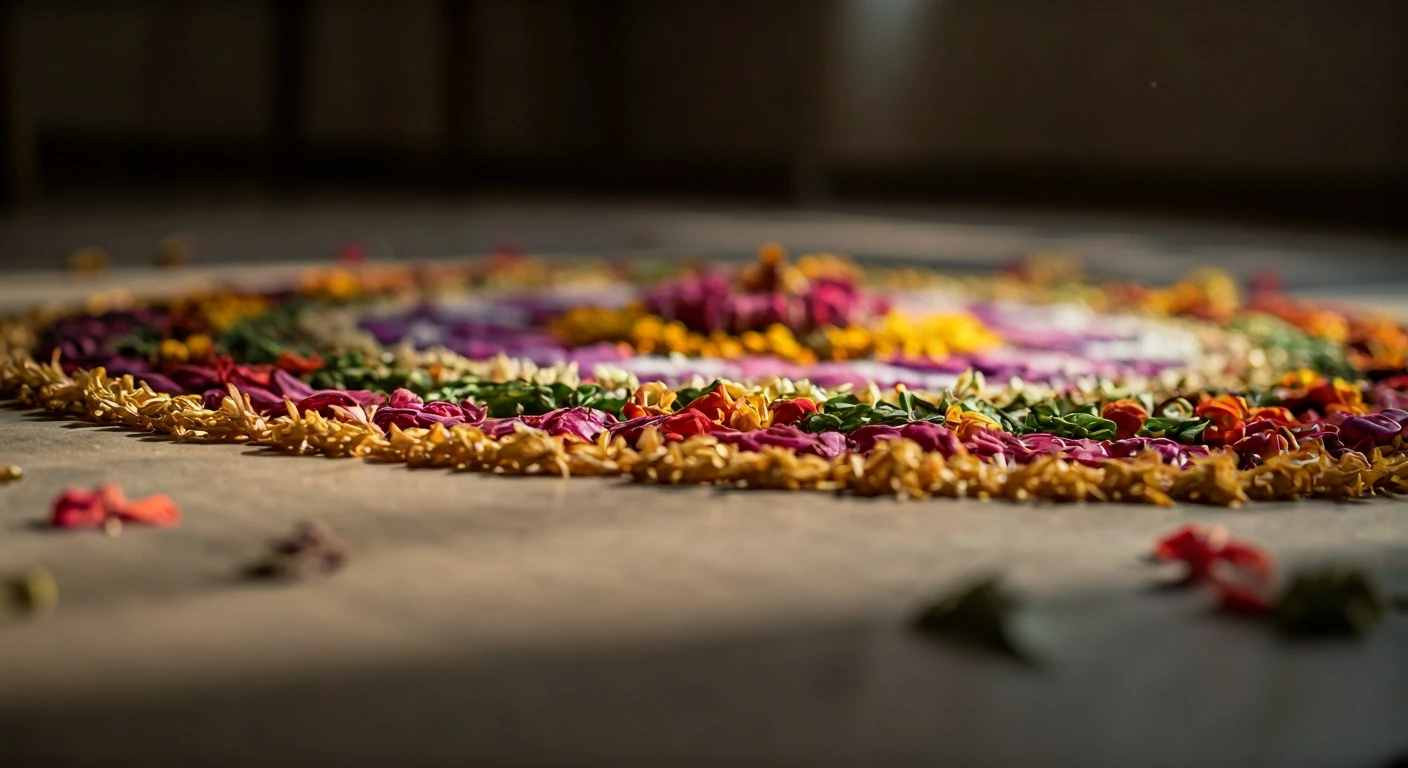
Creating a rangoli from natural materials is a feast for the senses. Imagine the soft, velvety texture of rose petals, the vibrant gold of marigolds, the earthy scent of turmeric, and the delicate rustle of dried leaves. A dried flower rangoli offers a rich tapestry of textures and subtle, harmonious colors that synthetic powders can’t replicate. It connects your celebration directly to the season, using flowers from your garden or local market. This practice transforms rangoli from a purely visual decoration into a mindful, tactile experience. The process of gathering, drying, and arranging these materials becomes a calming ritual in itself, a welcome pause amid festive preparations.
Gathering Your Zero-Waste Palette
Building your natural color kit is a creative act. You don't need to buy anything special; start by looking around you. * **For vibrant colors:** Marigold (yellows and oranges), rose (pinks and reds), and bougainvillea (vibrant pinks and magentas) are excellent choices. Simply pluck the petals and let them air-dry on a newspaper for a few days. * **For greens:** Finely chop or crush dried leaves like eucalyptus or neem. Dried mint or even green tea can also work for smaller areas. * **For whites and bases:** Simple rice flour is the traditional, perfect choice for brilliant white lines and fillings. You can also use chalk powder or sand. * **For yellows and browns:** Turmeric powder provides a stunning golden yellow, while cinnamon or coffee grounds offer rich, fragrant browns. * **For texture:** Uncooked lentils, rice grains, and seeds add wonderful dimension and pattern possibilities. The goal of “zero-waste” here is about intention. Use what you have, compost the materials afterward, and avoid single-use plastics.
How to Create Your Masterpiece
Feeling intimidated? Don't be. The beauty of a natural rangoli is in its imperfection. 1. **Choose a Spot and Clean It:** Select a space near your entryway or in your home. A clean, dry surface is best. 2. **Sketch a Simple Design:** If you're a beginner, start with a simple geometric shape like a circle, a star, or a traditional floral motif. You can lightly sketch an outline with chalk. 3. **Create Your Outline:** Use white rice flour to draw the main lines of your design. A small funnel or simply pinching the flour between your thumb and forefinger gives you good control. 4. **Fill in with Color:** Now for the fun part. Fill the sections of your design with the dried petals, spices, and leaves you’ve collected. You can place petals individually for a mosaic effect or crush them for a more powder-like consistency. Work from the inside out to avoid smudging your work. 5. **Add Final Touches:** Place a diya (a small clay lamp) or candles in the center or around your design to complete the festive look. The flickering light will beautifully illuminate the natural textures.