




From Guard Dog to 'Fur Baby'
For generations in India, a dog was often a 'kutta,' a functional animal kept outside to guard the home. But in the last decade, something has changed dramatically. Driven by a surge in the urban middle class, rising disposable incomes, and the shift
towards smaller, nuclear families, pets have been promoted from the yard to the living room, and now, to the family vacation roster. Much like in the U.S., pets are increasingly seen as integral family members, or 'fur babies.' This shift in perception, often called 'pet humanization,' is the engine behind the burgeoning pet travel industry. Young professionals and couples in cities like Mumbai, Delhi, and Bengaluru, who may be delaying children or living far from extended family, are pouring their emotional and financial resources into their pets. They don’t want to leave their four-legged companions in a kennel; they want to share new experiences with them.
A New Breed of Hospitality
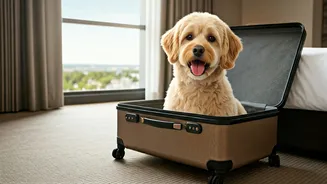
The Indian hospitality sector, ever attuned to new revenue streams, has been quick to respond. A wave of pet-friendly hotels, boutique resorts, and homestays has cropped up across the country, particularly in popular drive-to destinations like the hills of Himachal Pradesh or the beaches of Goa. These aren't just places that grudgingly tolerate animals. They are actively courting pet owners with specialized amenities. It's not uncommon to find resorts offering dedicated pet menus with choices like boiled chicken and rice, private splash pools for dogs, and designated off-leash play areas. Some high-end establishments even provide pet-sitting services, grooming appointments, and curated 'paw-trails' for hiking. Startups have also jumped in, offering everything from pet-specific travel agencies that handle all the logistics to specialized taxi services with carriers and trained drivers, making the once-daunting prospect of a road trip with a pet a manageable reality.
The Logistics of Leaving Home
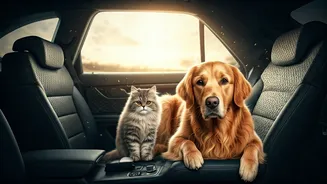
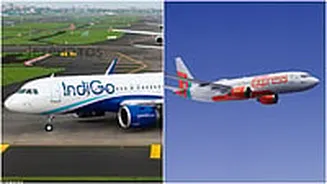
Despite the growing enthusiasm, taking a pet on holiday in India is not without its challenges. The infrastructure is still catching up to the demand. While private car travel is the most popular method, public transportation remains a significant hurdle. Indian Railways, the nation's lifeline, has a complex and often restrictive set of rules for pet travel, typically relegating them to brake vans or requiring the booking of an entire first-class cabin. Domestic airlines have similarly varying policies, creating a patchwork of regulations that can be a nightmare for owners to navigate. Furthermore, not all public spaces, restaurants, or national parks are welcoming to pets, requiring travelers to plan their itineraries with military precision. This logistical puzzle has created a market for consultants and travel companies who specialize in smoothing over these bumps, ensuring that a family’s dream vacation doesn't turn into a regulatory ordeal.
More Than Just a Trip
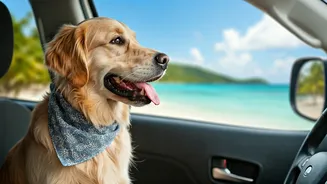
Ultimately, this trend is about more than just indulgent pet pampering. It's a visible marker of profound social and economic change in modern India. For many, including their pet in a 'proper holiday' is a declaration of their values: that emotional bonds matter, that family is a unit you create, and that leisure is a shared experience. It reflects a departure from a more collectivist past toward a more individualistic present, where personal fulfillment and emotional well-being are prioritized. In a country rapidly modernizing yet still deeply connected to tradition, the sight of a Golden Retriever lounging by a resort pool is a snapshot of the new India—aspirational, evolving, and redefining what it means to be a family.