




1. Fatty Fish
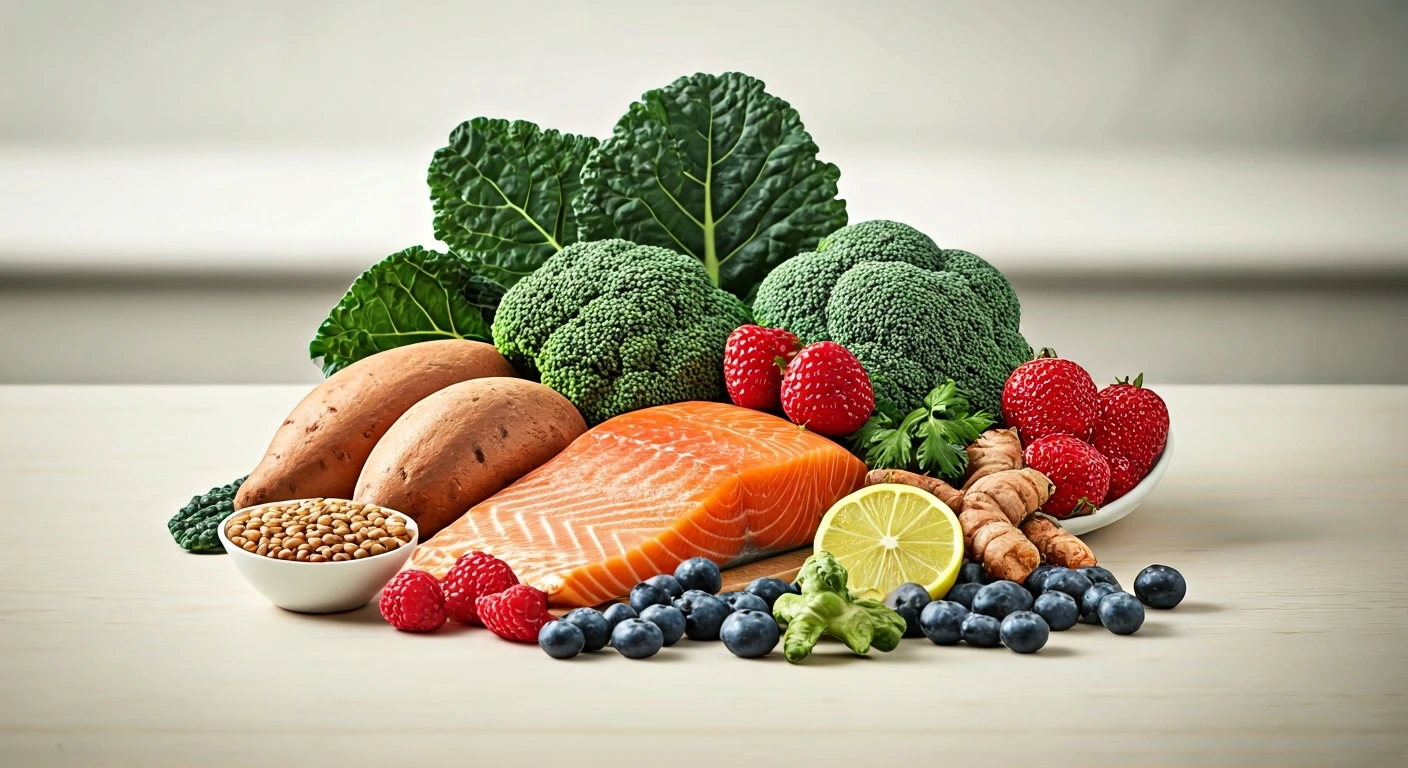
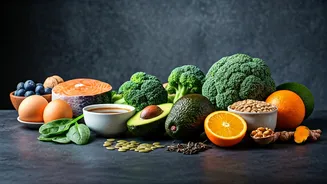
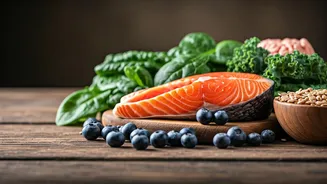
Your brain is about 60% fat, and half of that fat is the omega-3 type. Fatty fish like salmon, trout, and sardines are rich in these omega-3 fatty acids, which are essential for building brain and nerve cells. These fats are fundamental for learning and memory
and may help slow age-related mental decline.
2. Blueberries
These small berries pack a big punch. Blueberries are loaded with anthocyanins, a type of flavonoid with antioxidant and anti-inflammatory effects. Antioxidants work against oxidative stress and inflammation, conditions that can contribute to brain aging and neurodegenerative diseases. Some studies have linked them to improved memory.
3. Turmeric
This deep-yellow spice contains curcumin, a compound that has drawn significant attention. Curcumin can cross the blood-brain barrier, meaning it can directly enter the brain and benefit the cells there. It’s a potent antioxidant and anti-inflammatory agent and may help improve memory in people with age-related cognitive issues.
4. Broccoli
Broccoli is packed with powerful plant compounds, including a high concentration of vitamin K. This fat-soluble vitamin is essential for forming sphingolipids, a type of fat that’s densely packed into brain cells. Higher vitamin K intake has been linked to better memory and cognitive status.
5. Pumpkin Seeds
Don't discard these after carving your pumpkin. Pumpkin seeds are a powerhouse of micronutrients crucial for brain function, including zinc, magnesium, copper, and iron. Each plays a role: zinc for nerve signaling, magnesium for learning, copper for nerve control, and iron to prevent brain fog.
6. Dark Chocolate
Good news for chocolate lovers. Dark chocolate (70% or more cacao) and cocoa powder are packed with brain-boosting flavonoids, caffeine, and antioxidants. The flavonoids gather in areas of the brain that deal with learning and memory. Researchers suggest these compounds may enhance memory and help slow age-related mental decline.
7. Nuts
A handful of nuts can do wonders. Research has shown that eating nuts can improve heart health, and a healthy heart is linked to a healthy brain. Nuts like walnuts and almonds contain healthy fats, antioxidants, and vitamin E, which may shield cell membranes from free radical damage, helping to slow mental decline.
8. Oranges
You can get nearly all the vitamin C you need in a day by eating one medium orange. Vitamin C is a key factor in preventing mental decline. It’s a powerful antioxidant that helps fight off the free radicals that can damage brain cells, supporting brain health as you age.
9. Eggs
Often debated, eggs are a good source of several nutrients tied to brain health, including vitamins B6 and B12, folate, and choline. Your body uses choline to create acetylcholine, a neurotransmitter that helps regulate mood and memory. Higher intakes of choline are linked to better memory and mental function.
10. Coffee
Your morning cup might be doing more than just waking you up. The two main components in coffee—caffeine and antioxidants—can help your brain. Caffeine increases alertness and improves mood, while the antioxidants may help protect against cognitive decline. Long-term consumption has been linked to a reduced risk of neurological diseases.
11. Green Tea
Like coffee, green tea boosts brain function. It contains L-theanine, an amino acid that can cross the blood-brain barrier and increase the activity of the neurotransmitter GABA, which helps reduce anxiety. L-theanine also increases the frequency of alpha waves in the brain, helping you relax without feeling tired.
12. Avocados
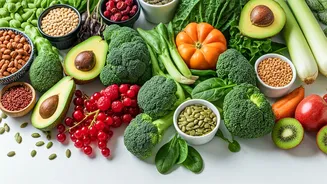
A source of healthy unsaturated fat, avocados may support the brain. Monounsaturated fats help support healthy blood flow, and healthy blood flow means a healthy brain. They also help reduce blood pressure, and hypertension is a risk factor for cognitive decline.
13. Whole Grains
Your brain needs energy to function, and it prefers a steady supply. Whole grains like oatmeal, barley, and brown rice provide that. With a low glycemic index, they release glucose slowly into the bloodstream, helping you stay mentally alert throughout the day.
14. Tomatoes
Tomatoes contain lycopene, a powerful antioxidant that could help protect against the kind of free radical damage to cells which occurs in the development of dementia, particularly Alzheimer's. Eating them with a little olive oil can help your body absorb the lycopene more effectively.
15. Sage
This fragrant herb has a long reputation for improving memory. Modern science is catching up, with research indicating that compounds in sage may be beneficial for cognitive function. Some studies suggest it can boost memory and information processing, making it a great addition to savory dishes.