


You’ll Learn Practical, Money-Saving Skills
The most immediate takeaway from a no-waste cooking class is a set of incredibly practical skills that directly impact your kitchen and your wallet. Americans throw away an estimated 30-40% of the food supply, and a lot of that waste happens right in our homes.
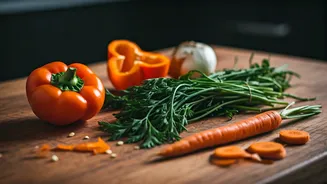
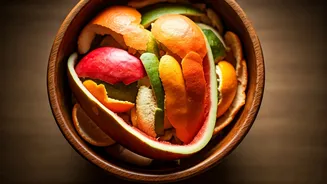
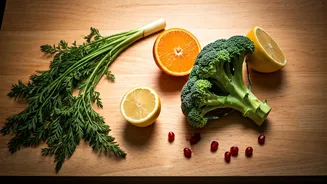
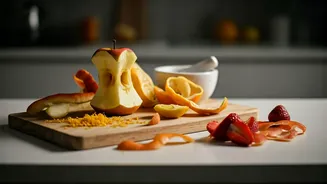
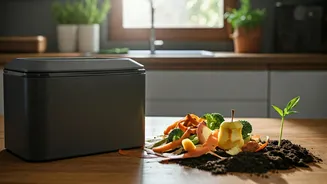
These classes teach you to see value where you previously saw garbage. You'll learn how to turn carrot tops into a vibrant pesto, transform stale bread into perfectly seasoned croutons or breadcrumbs, and simmer chicken bones and vegetable peels into a rich, flavorful stock that beats anything from a carton. Instructors demonstrate techniques like pickling, fermenting, and preserving, allowing you to extend the life of produce you bought with good intentions but didn't get to in time. It's not just about being frugal; it's about becoming a more resourceful and creative cook, armed with techniques that make every dollar spent on groceries go further.
It Reframes Your View of ‘Scraps’
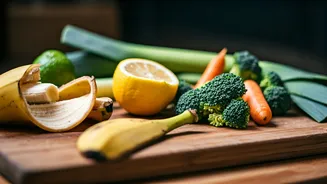
Perhaps the most profound benefit is the mental shift. A no-waste class fundamentally rewires how you look at an ingredient. That tough broccoli stalk you used to toss? It can be peeled, sliced thin, and sautéed into a delicious side dish. Those herb stems? They’re packed with flavor and perfect for infusing oils or adding to soups. This is the essence of “root-to-stem” (for vegetables) and “nose-to-tail” (for animals) cooking—a philosophy that honors the entire ingredient. You stop seeing food in terms of its “best” parts and start seeing it as a whole, full of potential. This new perspective doesn't just reduce waste; it unlocks a new level of culinary creativity. Suddenly, your kitchen is full of possibilities, and the challenge of using everything becomes a fun, engaging puzzle rather than a chore.
You’ll Connect with a Like-Minded Community
In a world that can feel isolating, these classes offer a potent dose of community. You’re not just learning a skill; you’re sharing an experience with a group of people who are also interested in sustainability, good food, and mindful living. Whether you go alone and make new friends or attend with a partner, it’s a shared activity grounded in positive action. The atmosphere is collaborative and encouraging, a far cry from the high-pressure environment of a professional kitchen. You’ll chop, stir, and taste alongside fellow students, swapping tips and sharing in the satisfaction of creating a beautiful meal from humble ingredients. This social element is what makes it “perfect weekend content”—it’s an activity worth talking about and sharing, a story of connection and discovery.
It’s a Tangible Antidote to Eco-Anxiety
The constant drumbeat of environmental news can be overwhelming, often leaving us feeling helpless. A no-waste cooking class provides a powerful antidote: tangible, positive action. Instead of dwelling on a global problem, you’re spending a few hours learning a hands-on skill that contributes to the solution, one kitchen at a time. This sense of empowerment is deeply satisfying. You leave not with a feeling of dread, but with a toolkit of recipes and ideas you can implement immediately. It transforms abstract concern into concrete practice. By learning to reduce your personal food waste, you’re participating in a larger cultural shift towards sustainability. It’s a small-scale change with a big-picture impact, providing a much-needed sense of agency and optimism.
It’s Genuinely Fun and Delicious
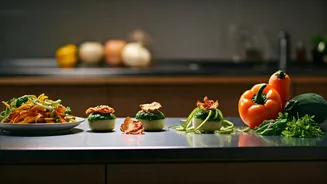
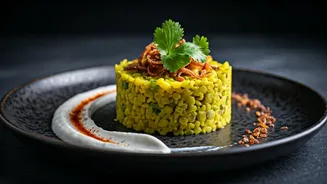
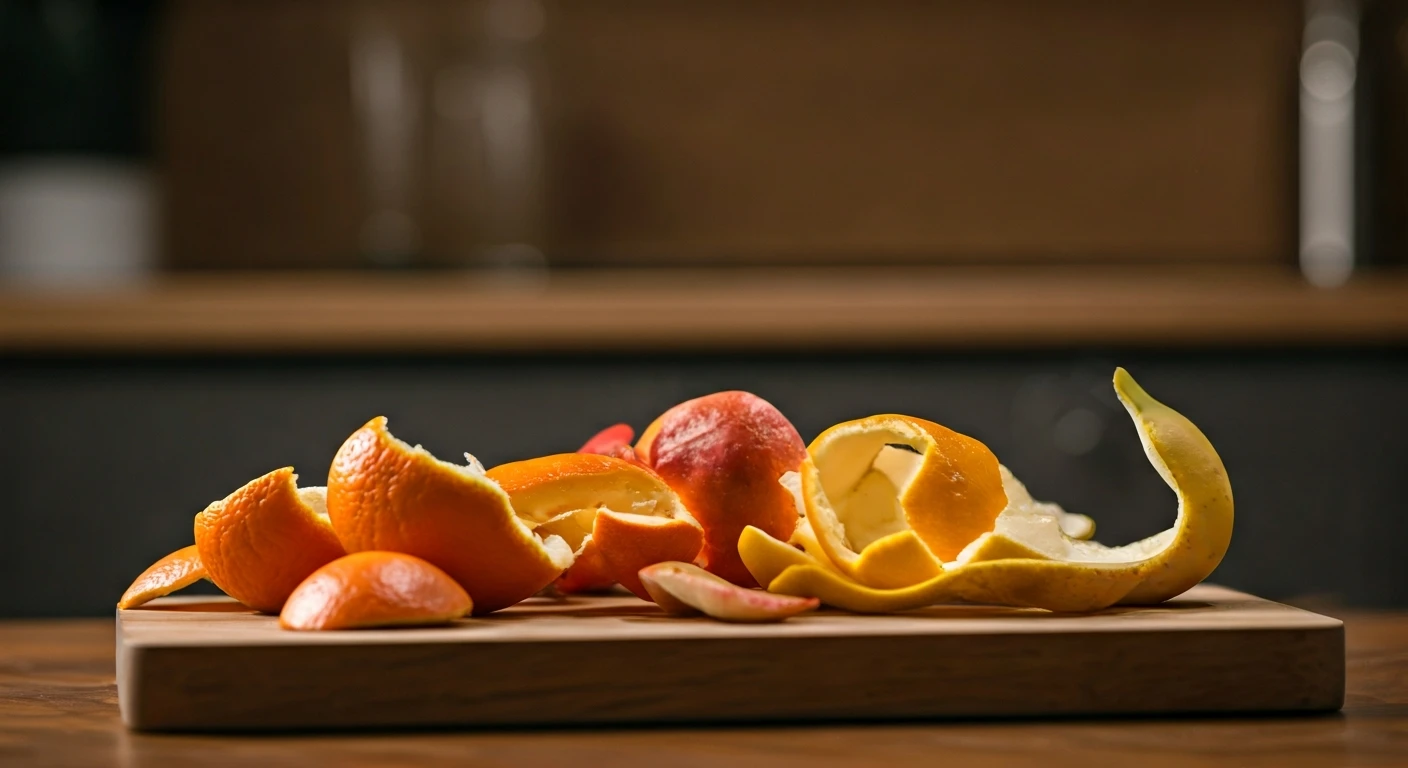
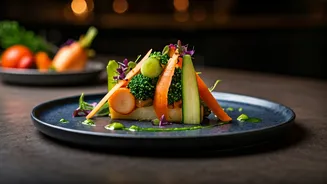
Let’s not forget the most important part: these classes are fun. They are designed to be engaging, hands-on, and, above all, delicious. The experience often culminates in a shared meal where you get to taste the fruits of your labor. There is a unique satisfaction in eating a fantastic dish and knowing it was made from ingredients that might have otherwise been discarded. The flavors are often surprisingly complex and delightful—think savory bread pudding from stale croissants or a bright, zesty candy made from citrus peels. You don’t have to be an expert cook to join; classes are typically designed for all skill levels. They are an exercise in creativity and resourcefulness, proving that sustainable choices don’t require sacrifice—in fact, they can be a path to discovering new and exciting flavors.