




From Ritual to Mini-Movie
Forget grabbing a quick cup of joe to power through the morning. In the world of #CoffeeTok, the process of *making* the coffee is the main event. These aren't gritty, realistic portrayals of fumbling for a mug while half-asleep. They are short, cinematic
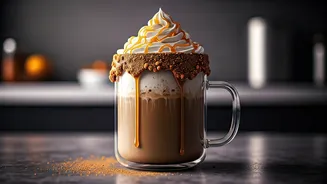
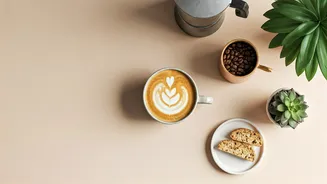
vignettes, meticulously crafted to be as soothing as they are aspirational. Each video follows a familiar, satisfying script: the close-up on a unique glass, the clatter of custom ice cubes, the artistic pump of a flavored syrup, a slow pour of espresso or cold brew, and a final, creamy swirl of oat milk. Accompanied by lo-fi beats or ASMR-level audio, the entire routine is designed for maximum sensory appeal. It transforms a mundane task into a 'main character' moment—a small, controllable piece of art to start the day.
The Rise of the At-Home Café
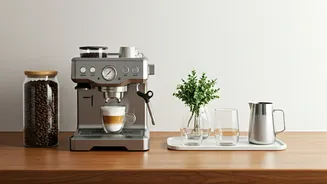
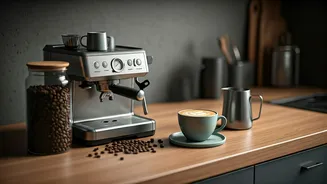
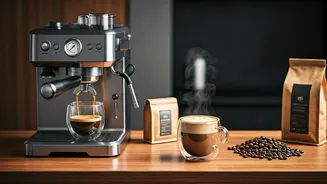
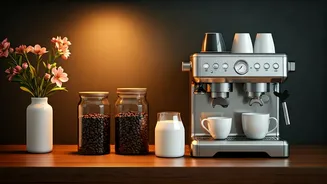
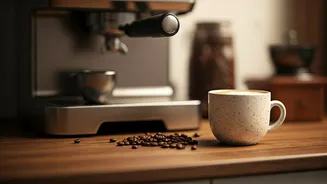
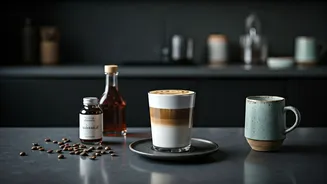
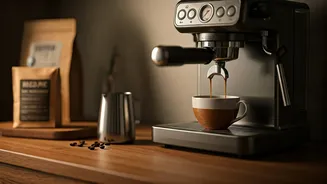
This trend isn’t just happening in a vacuum; it’s fueling a whole sub-economy of domestic aesthetics. The backdrop for this content is the “coffee bar,” a dedicated corner of the kitchen that looks less like a functional prep area and more like a carefully curated retail display. We’re talking about neatly organized rows of Torani or Skinny Mixes syrups, complete with gold-plated pumps. There are carousels of Nespresso pods, collections of whimsical glass straws, and an arsenal of frothers, gooseneck kettles, and trendy glassware that would make a professional barista proud. Brands like Stanley have seen their tumblers become essential props. It’s a performance of domesticity and taste, suggesting that even if you can’t afford a sprawling house, you can curate a perfect, Instagrammable corner within it. This setup is both a response to the high cost of daily coffee shop visits and a new form of conspicuous consumption.
It’s About Control, Not Just Caffeine
So, why the obsession? On one level, it’s simple economics. Making a fancy iced caramel macchiato at home is significantly cheaper than buying one for $7 every day. But the psychological driver runs deeper. For a generation navigating economic uncertainty, political turmoil, and the general chaos of modern life, the coffee routine offers a moment of predictable, low-stakes control. You get to be the director, the barista, and the star of your own small, perfect world for three minutes. Every element, from the choice of syrup to the color of the straw, is a deliberate decision. This act of creation provides a sense of accomplishment and calm before the day has even truly begun. It’s a form of self-care that is both tangible and shareable, a small luxury that feels earned and controlled, not just passively consumed.
The Performance of Authenticity
Ultimately, the Gen Z coffee routine is a fascinating case study in modern identity. The act of sharing it online blurs the line between a personal ritual and a public performance. While critics might call it an inauthentic or overly curated display, for many creators, it's a genuine expression of their personality and creativity. The routine is real—they are, in fact, making coffee to drink. The content is just a stylized layer on top. This trend perfectly captures the native digital fluency of Gen Z, who see no contradiction in turning a personal moment into shareable content. It's a way to connect with a community over a shared interest, showcase personal style, and participate in a massive, ongoing digital conversation—one perfectly poured latte at a time.