




The Fiber Foundation
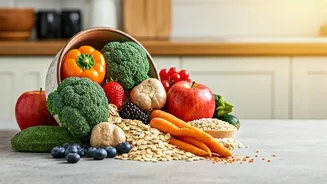
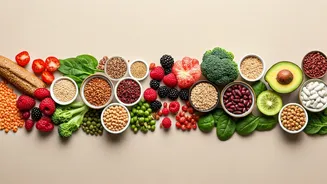
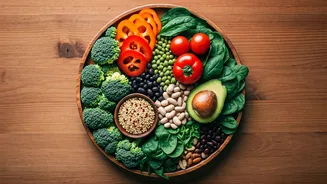
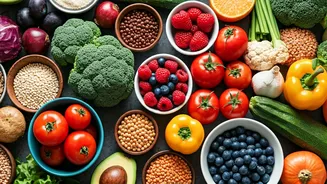
Think of fiber as the trainer for your digestive system. It keeps things moving and provides essential fuel for the beneficial bacteria living in your gut. There are two main players on this team. Insoluble fiber, found in whole grains, nuts, and vegetables
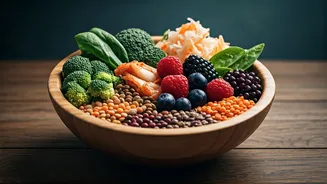
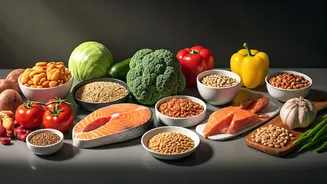
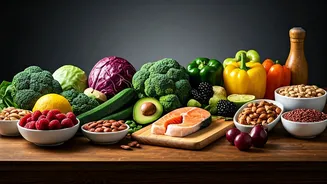
like cauliflower and green beans, adds bulk to stool, which can help prevent constipation. Then there’s soluble fiber, present in oats, chia seeds, apples, and beans. It dissolves in water to form a gel-like substance, which can slow digestion, helping you feel fuller longer and stabilizing blood sugar. A diet rich in both types of fiber is the bedrock of good digestion, creating a healthy environment where everything else can thrive.
The Probiotic Powerhouses
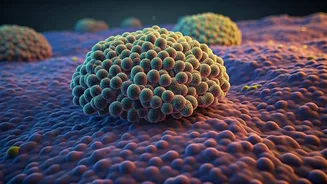
If your gut is a garden, probiotics are the beneficial seeds you plant. These live microorganisms, found in fermented foods, help bolster the population of good bacteria in your digestive tract. A diverse gut microbiome is linked to better digestion, stronger immunity, and even improved mood. You don't need expensive pills to get your dose. Plain yogurt and kefir with "live and active cultures" are excellent sources. For a dairy-free option, look to sauerkraut, kimchi, miso, and kombucha. These foods introduce new, helpful microbes to your system, helping to crowd out less beneficial strains and maintain a healthy balance.
The Prebiotic Playmakers
Probiotics can't do their job without a steady food source. That’s where prebiotics come in. These are specialized plant fibers that your body can't digest, so they travel to your lower digestive tract and act as fertilizer for the good bacteria that already live there. Essentially, prebiotics help your probiotic squad flourish. You can find them in a surprising number of everyday foods. Onions, garlic, and leeks are fantastic sources. So are asparagus, slightly under-ripe bananas, and whole grains like barley and oats. By pairing prebiotic-rich foods with probiotic ones (like sliced banana on your yogurt), you create a powerful symbiotic effect known as a "synbiotic," giving your digestive system double the support.
The Soothing Specialists
Sometimes, the digestive system gets irritated, leading to discomfort, bloating, and gas. Certain whole foods act as natural soothing agents, helping to calm things down. Ginger has been used for centuries to ease nausea and indigestion, thanks to compounds called gingerols that help relax the intestinal tract. Peppermint, often consumed as a tea, contains menthol, which can have an antispasmodic effect on the muscles of the digestive system, relieving cramping. Another gentle giant is turmeric, whose active compound, curcumin, has powerful anti-inflammatory properties that can help soothe an agitated gut. Incorporating these spices and herbs into your cooking or sipping them as tea can provide gentle, effective relief.
The Hydration Heroes
No digestive support squad is complete without proper hydration. Water is essential for every bodily function, but it's especially critical for digestion. It helps break down food so your body can absorb the nutrients. It's also crucial for preventing constipation, particularly when you're increasing your fiber intake. Soluble fiber, especially, needs water to form its beneficial gel. While drinking plenty of water is key, you can also 'eat' your water. Foods with high water content—like cucumber, celery, watermelon, strawberries, and bell peppers—contribute to your overall hydration levels while also providing vitamins and, in some cases, more fiber. They help keep everything flowing smoothly from start to finish.