





A Landscape Built for Instagram
Before it was a travel destination, Cappadocia was a geological wonder. Millions of years of volcanic eruptions and erosion sculpted the soft tuff rock into cones, pillars, and mushroom-shaped formations known as fairy chimneys. But in the 21st century,
this otherworldly scenery has found its perfect match: the visual language of social media. For a generation of young, digitally native Indian travelers, Cappadocia is not just a place to visit; it’s a place to document. The iconic shot—a lavish breakfast spread on a Turkish rug, with a kaleidoscope of balloons rising in the background—has become a coveted status symbol. Boutique cave hotels have leaned into this, designing terraces, pools, and suites that are exquisitely photogenic. The visual narrative is irresistible: ancient history, natural wonder, and modern luxury, all perfectly framed for an Instagram post that screams romance and adventure. This aesthetic appeal is a powerful magnet for couples curating their travel stories online, turning a personal vacation into a public declaration of sophisticated taste.
The Bollywood Connection
While social media provides the platform, Indian pop culture planted the seed. For years, Bollywood has used Turkey’s stunning backdrops to stage epic song-and-dance numbers. Films like 'Dil Dhadakne Do' and 'Ek Tha Tiger' showcased the country’s coastal beauty and grand architecture, embedding Turkey into the cultural imagination of millions. This phenomenon, often called the “Bollywood Effect,” has a proven track record of driving tourism from India to destinations featured on-screen. Switzerland became the quintessential romantic backdrop in the ‘90s thanks to Yash Chopra’s films; Spain saw a surge in Indian tourism after 'Zindagi Na Milegi Dobara'. Now, it’s Cappadocia’s turn. The location offers a fantasy-like setting that feels straight out of a movie, allowing couples to live out their own cinematic romance. This cultural pre-approval makes the destination feel both aspirational and accessible, a far-flung dream that’s been personally endorsed by their favorite stars.
Beyond the Beach Honeymoon
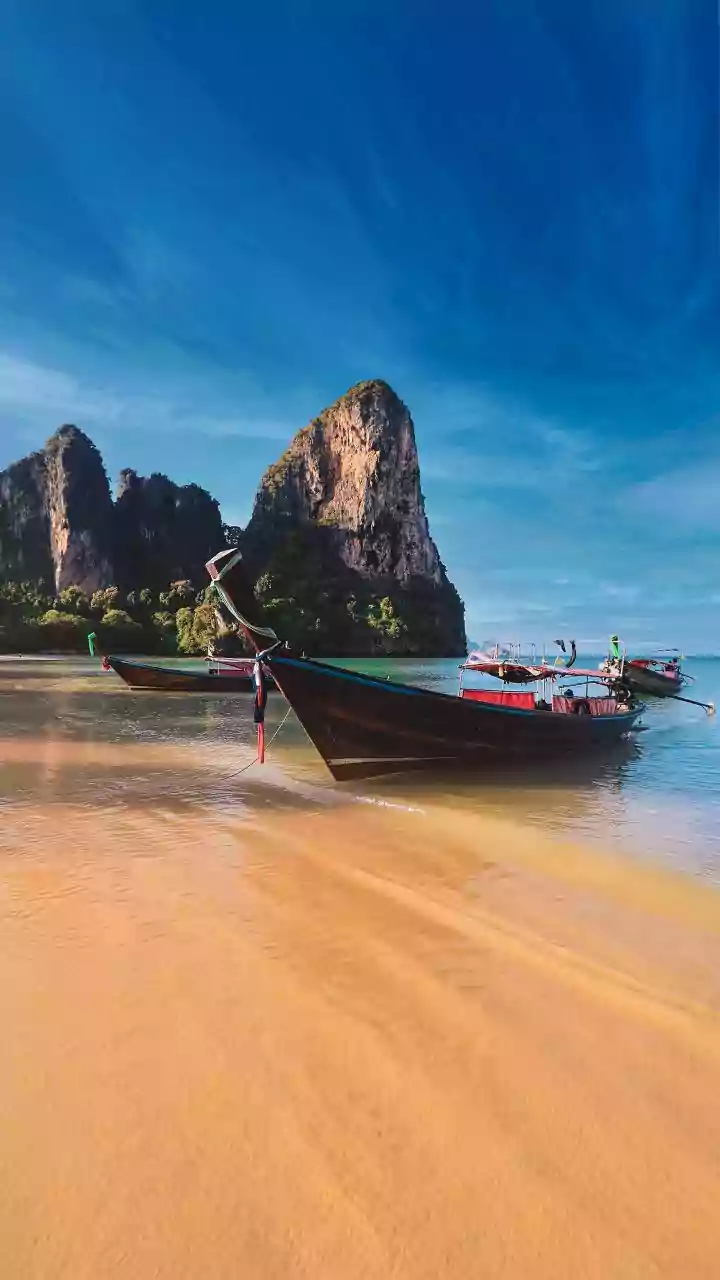
For many young Indian couples, the traditional honeymoon trope of a palm-fringed beach is losing its luster. They are part of a growing global trend of travelers seeking unique, experience-rich vacations over passive relaxation. Cappadocia delivers precisely that. It offers a blend of activities that appeals to the modern sense of adventure: hiking through ancient valleys, exploring underground cities carved by early Christians, and of course, the quintessential hot air balloon ride. At the same time, it provides a deep sense of history and culture that a typical resort cannot. The experience feels substantive, not superficial. This shift is also driven by a new generation of Indian couples who are often dual-income, well-traveled, and independent in their choices. They are looking for destinations that reflect their personalities—places that are unique, slightly rugged, but with an undercurrent of luxury and history. Cappadocia fits that brief perfectly.
What Is a Cave Hotel, Anyway?
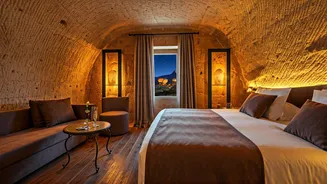
The term “cave hotel” might conjure images of damp, primitive dwellings, but the reality in Cappadocia is the opposite. These are not merely caves; they are historic homes. For centuries, locals carved their houses, churches, and monasteries directly into the soft volcanic rock. Today, many of these ancient structures have been meticulously restored and transformed into luxurious boutique hotels. Architects and designers have preserved the original arched ceilings and rock-hewn walls while integrating modern amenities like heated floors, rainfall showers, and high-end furnishings. Staying in one is a singular experience. You’re sleeping within a piece of history, connected to a lineage of human habitation stretching back thousands of years. Each room has a unique shape and character, dictated by the original structure of the cave. It’s this blend of authenticity and comfort that makes the stay itself a primary attraction, not just a place to sleep after a day of sightseeing.