



From Eyeballing to Body-Condition Scoring
How do you know if your pet is carrying extra weight? The number on the scale can be misleading; a lean, muscular dog might weigh the same as a pudgy one of the same height. Instead, veterinarians recommend using a Body Condition Score (BCS). It’s a hands-on
method to gauge your pet’s physique. For a dog or cat at an ideal weight, you should be able to easily feel their ribs with a thin layer of fat over them, but not see them. When viewed from above, they should have a visible waistline, and from the side, their abdomen should be tucked up. If you can’t find their ribs, or their back is broad and flat, it’s a strong sign that their diet has outpaced their activity level. Learning to perform this simple check at home can help you catch weight gain early, before it becomes a more serious health concern.
The Myth of the Feeding Guide
The feeding chart on the back of a pet food bag is a convenient starting point, but it's not a prescription. These recommendations are often calculated for intact, active adult animals—not the spayed or neutered house pet who spends most of the day napping. Continuing to follow these guidelines when your pet’s activity has decreased is a fast track to obesity. A study from the Association for Pet Obesity Prevention found that nearly 60% of cats and dogs in the U.S. are overweight. The first step is to recognize that your pet’s caloric needs are unique. A slight reduction in portion size—say, 10%—is a good place to start, but simply feeding less of the same food can, over time, lead to nutritional deficiencies. It’s crucial to adjust not just the amount but potentially the type of food as well.
Choosing the Right Fuel for a Slower Life
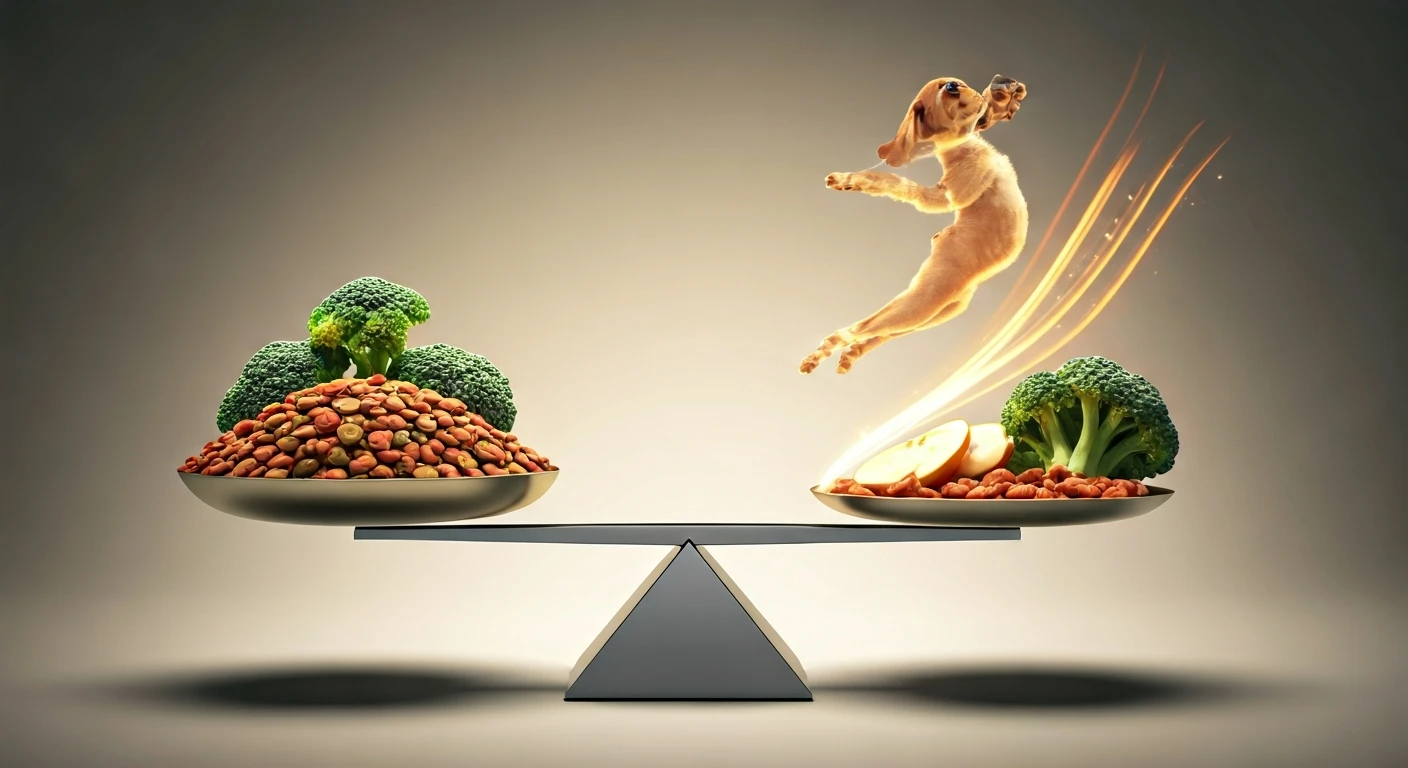
When calorie needs drop, it’s tempting to just shrink the scoop. A better approach is to switch to a food formulated for a less active lifestyle. Look for options labeled for “weight management” or “indoor cats.” These diets are specifically designed to be less calorically dense while still providing all the essential vitamins, minerals, and protein your pet needs to thrive. They often contain higher levels of fiber, which helps your pet feel full and satisfied even with a smaller meal. This prevents the begging and perceived starvation that can happen when you simply cut back on their regular food. Transitioning to a new food should always be done gradually over a week or more to avoid digestive upset. Mix a small amount of the new food in with the old, and slowly increase the proportion until your pet is fully switched over.
Make Mealtime an Event
For a pet with less physical stimulation, a boring meal can contribute to a boring day. A less active lifestyle doesn’t have to mean a less enriched one. Instead of just plopping a bowl on the floor, you can turn feeding time into a mental workout. Puzzle feeders and food-dispensing toys are excellent tools for this. They force your pet to slow down, engage their brain, and work for their food, mimicking their natural foraging or hunting instincts. This simple change can combat boredom, reduce anxiety, and help with digestion by preventing them from gobbling their meal too quickly. For both dogs and cats, a few minutes spent solving a food puzzle provides valuable mental stimulation that a sedentary life might be lacking, making them happier and healthier overall.